

A quokka approaches within thirty centimeters of your feet, looking at you with those round, dark eyes, and it almost seems to be smiling. It is not a trained animal nor a paid attraction: it is simply daily life on Rottnest Island, an island off Fremantle, in Western Australia, where these small marsupials move freely among the paths, beaches, and gardens as if the island belonged to them — and in a sense, it really does.
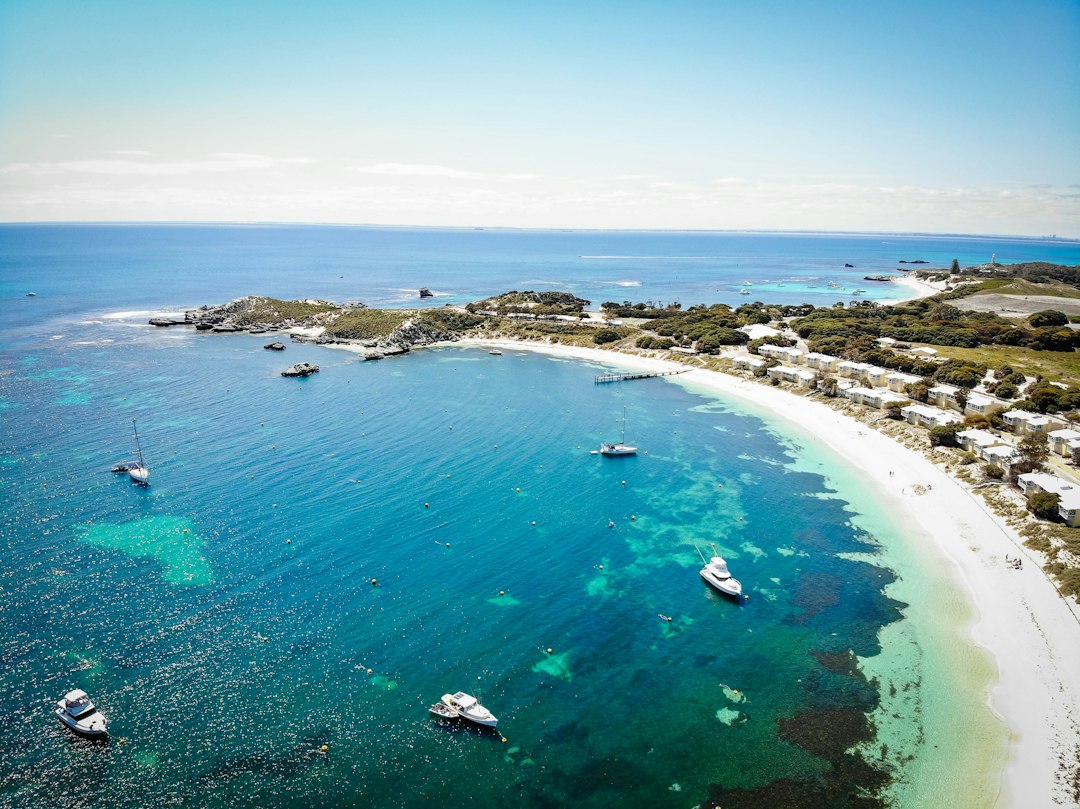
Rottnest Island is located about 18 kilometers from the coast of Fremantle and measures approximately 11 kilometers in length and 4.5 kilometers in width. The name was assigned by the Dutch navigator Willem de Vlamingh in 1696, who mistook the quokkas for large rats and named the place Rattennest, meaning "rat's nest." Today, the island is a protected nature reserve and the only place in the world where the population of quokkas (Setonix brachyurus) lives in the wild in significant numbers — it is estimated that between 10,000 and 12,000 individuals live on the island.
An island without cars: how to get around
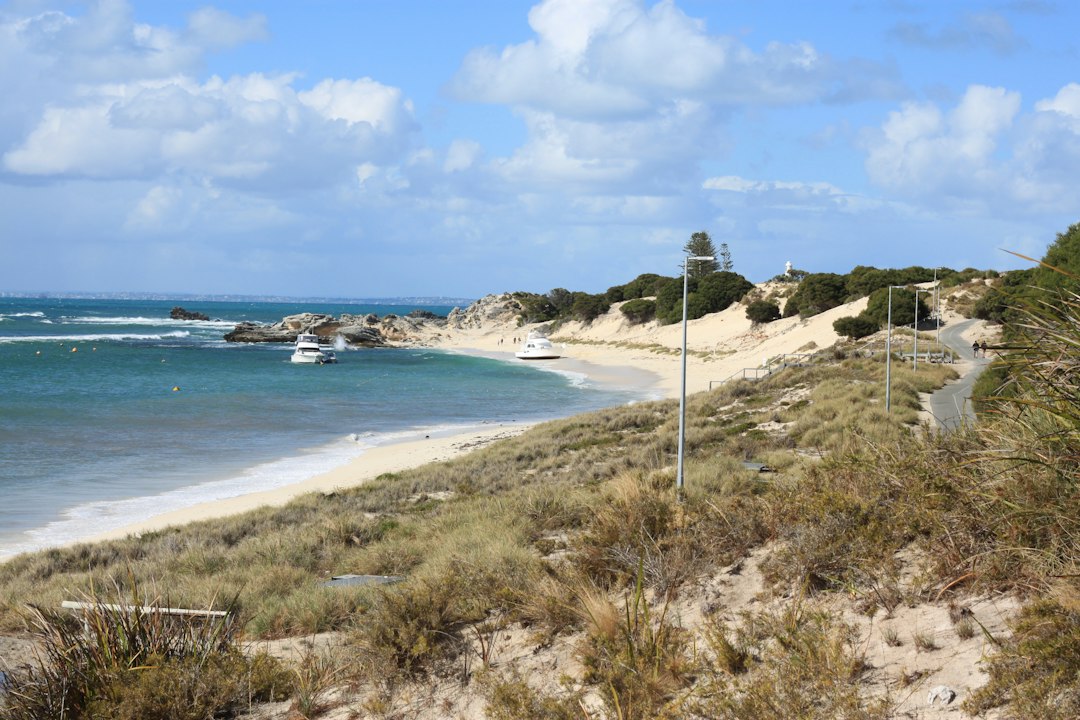
Rottnest Island is one of the few inhabited islands in Australia where private cars are prohibited. The only authorized vehicles belong to the island's services and authorities. Visitors get around on foot, by bicycle, or with shuttle buses that connect the main points. Bicycle rental is the most popular option: dozens of rental points offer bicycles for all ages, and a complete ride around the coastal perimeter takes about three to four hours at a leisurely pace.
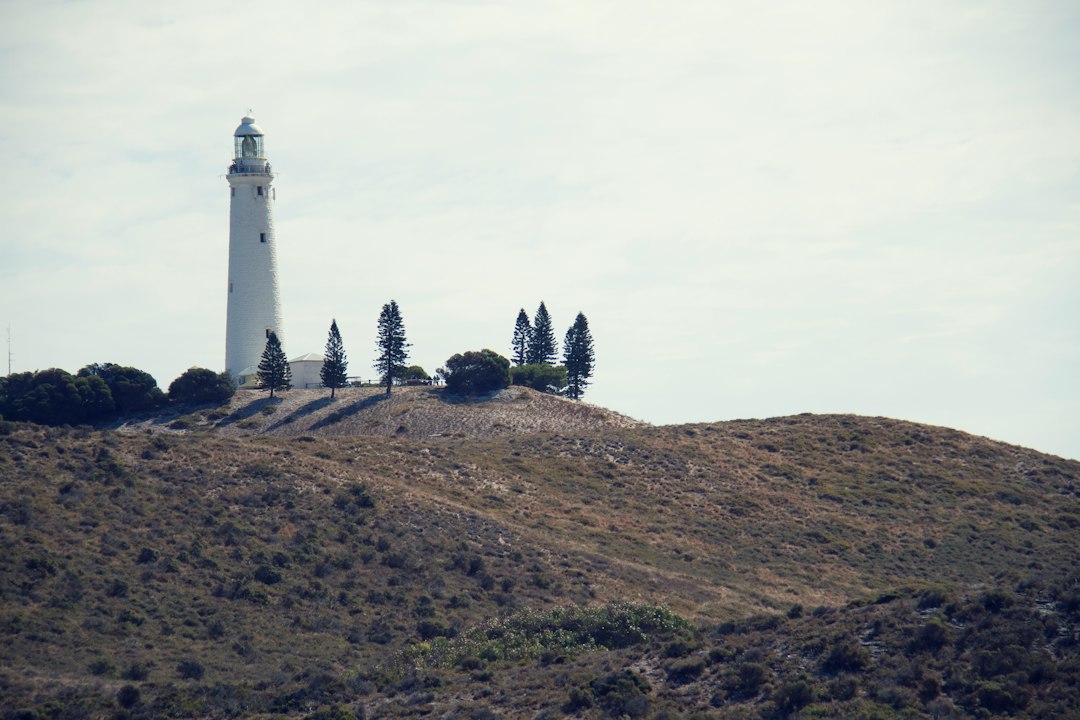
This system creates a rare atmosphere: silence, slowness, the tangible feeling of being far from the city even though Fremantle is visible in the distance on clear days. The bike paths lead through landscapes of Mediterranean scrub, salt lagoons, and hidden bays, with the wind from the Indian Ocean as the only soundtrack.
The bays and the sea: what to expect underwater
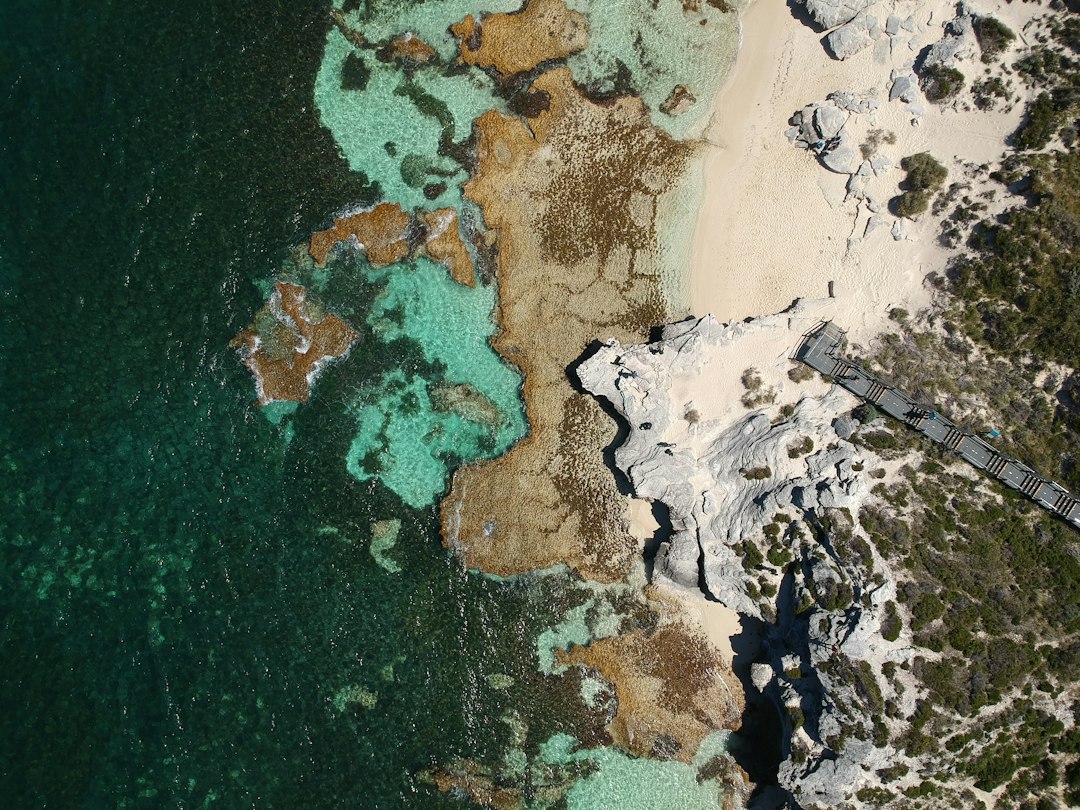
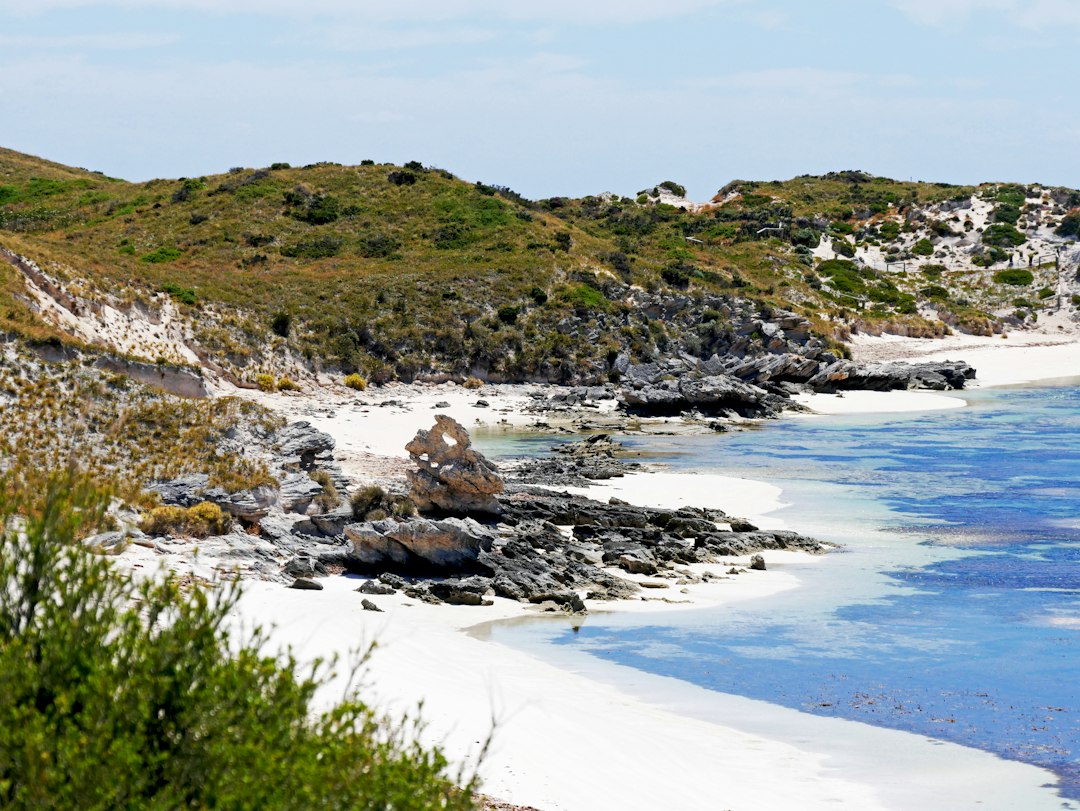
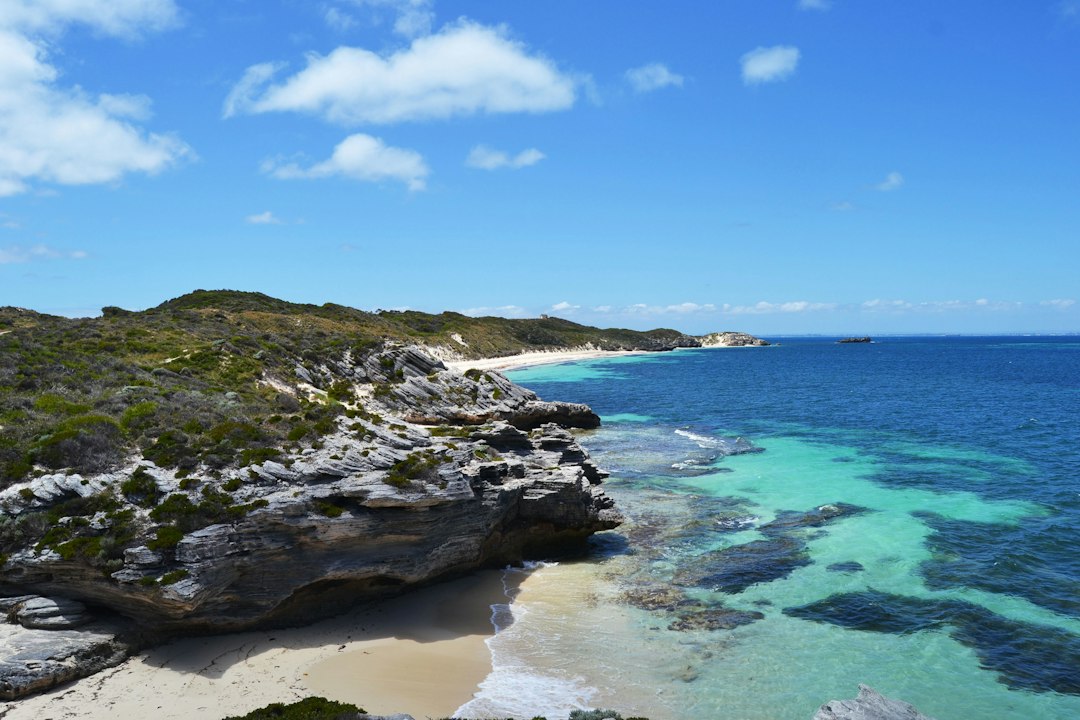
The island has more than a dozen bays with turquoise waters and sandy bottoms. The Basin is the most frequented, sheltered, and family-friendly, with calm waters and colors ranging from emerald green to deep blue depending on the time of day. For those seeking more isolation, bays like Salmon Bay or Little Salmon Bay offer snorkeling among temperate coral reefs rich in tropical and temperate fish that coexist thanks to the island's unique geographical position.
During the warm season, from November to May, the waters around the island can host sightings of whale sharks (Rhincodon typus), the largest fish in the world, completely harmless to humans. Organized boat trips for sightings regularly depart from the main harbor, although the presence of whale sharks is not guaranteed and depends on currents and the availability of plankton.
Quokkas: how to behave
Quokkas are protected by Australian law. It is illegal to touch, feed, or disturb them in any way, with fines that can exceed 300 Australian dollars. Despite this, the animals approach visitors spontaneously, especially in areas near the Settlement zone, the small main village on the island. Their lack of fear towards humans is the result of centuries of isolation on an island without terrestrial predators.
The best time to observe them is early in the morning or late in the afternoon, when temperatures drop and quokkas are more active. During the central hours of the day, they tend to rest in the shade of the vegetation. Bringing a camera with good capability in natural light conditions is recommended: quokkas move quickly and the best photos require a bit of patience.
How to get there and practical advice
Ferries to Rottnest Island depart from three points: Fremantle, Perth (Elizabeth Quay), and Hillarys Boat Harbour. The crossing from Fremantle is the shortest, about 25-30 minutes, and the most frequent. Several companies operate the service — including Rottnest Express and Sealink — with multiple departures throughout the day. Round-trip ticket prices generally range from 50 to 90 Australian dollars per person, depending on the season and how far in advance the purchase is made.
The most useful advice for those visiting the island for the day is to take the early morning ferry — ideally by 8:00 AM — to have enough time to explore the more distant bays and return without rushing. The island also offers accommodations, from campgrounds to lodges, for those who want to experience the slower pace of the island after day visitors leave on the last ferry and silence returns to be absolute.


