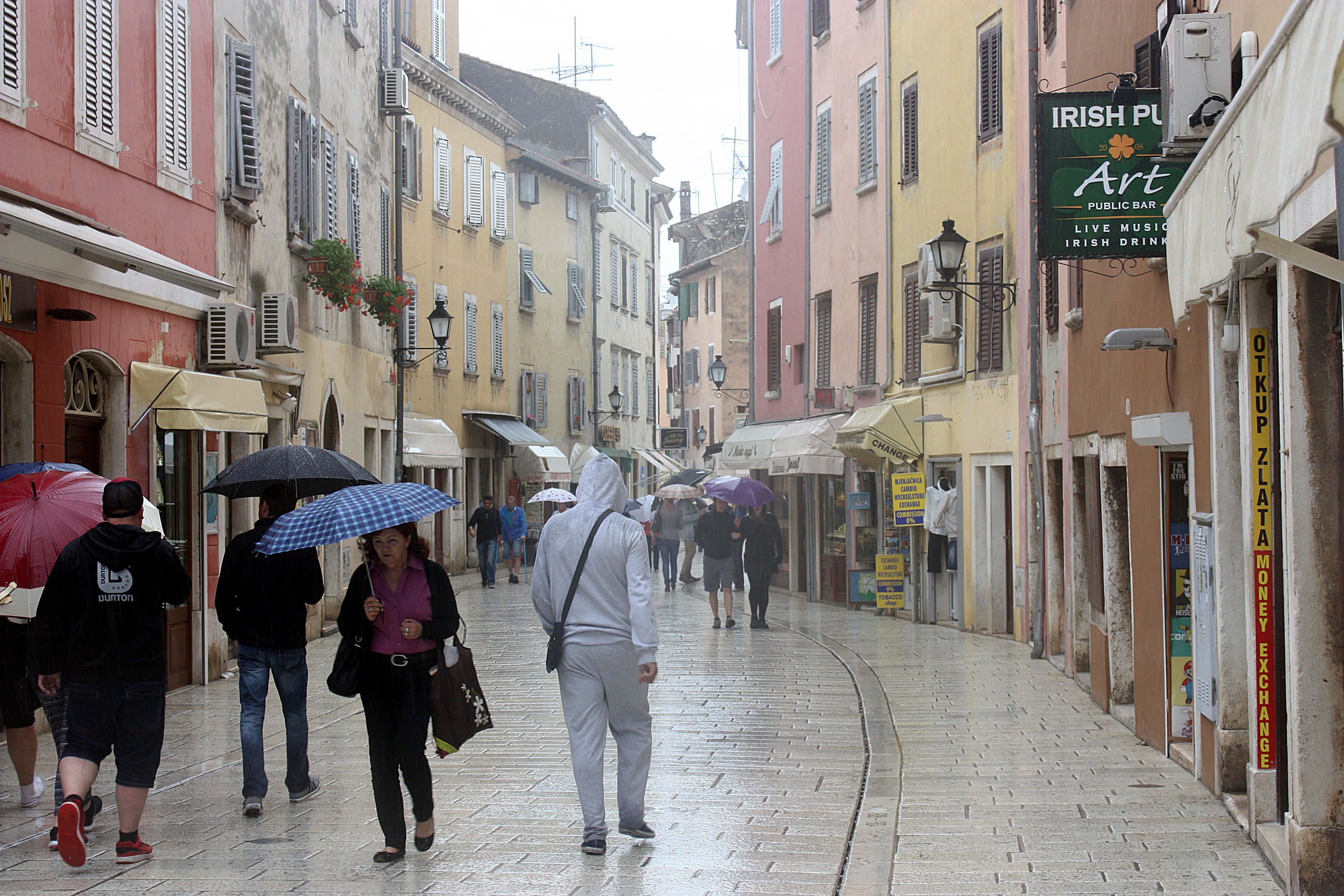
Nestled on the western coast of the Istrian peninsula, Rovinj (or Rovigno in Italian) is a captivating blend of rich history, artistic expression, and vibrant local culture. This charming Croatian fishing port has evolved from a bustling medieval town into a picturesque destination, where every cobbled street and sun-drenched piazza tells a story.
### History and Origins The history of Rovinj dates back to ancient times, with its origins believed to lie in the Roman settlement of Ruvinium. The town flourished during the Middle Ages, becoming a significant harbor under the auspices of the Venetian Republic in the 13th century. This influence is evident in the architecture, culture, and lifestyle that define Rovinj today.
Key historical events include the Austrian rule in the 18th century, which saw the construction of many of the town’s notable buildings, and the transition to Yugoslavian control after World War I. The city embraced its Italian heritage until the post-World War II era, when it became part of Croatia, leading to a blend of Italian and Slavic influences that is still palpable.
### Art and Architecture The architectural landscape of Rovinj is a harmonious mix of Venetian Gothic and Baroque styles, characterized by narrow, winding streets and charming pastel-colored houses that cascade down to the waterfront. The Church of St. Euphemia, built in the 18th century, stands as the town’s crowning jewel, its bell tower offering panoramic views of the Rovinj archipelago.
Inside the church, you’ll find a stunning Baroque altar, and the relics of St. Euphemia, the patron saint of Rovinj, are housed here. The town also boasts numerous art galleries and studios, showcasing local artists and their interpretations of the stunning landscapes that surround them.
### Local Culture and Traditions Rovinj is steeped in local customs and traditions, many of which are celebrated throughout the year. The Feast of St. Euphemia, held every September 16th, is a highlight, attracting locals and visitors alike to processions, music, and local delicacies. The town also hosts the Rovinj Aquarium, where you can learn about the rich marine life of the Adriatic Sea, reflecting the community's deep connection to the sea.
The Festa di San Giovanni, celebrated in June, is another vibrant event, where the locals honor their patron saint with fireworks, traditional music, and culinary delights that showcase the region's rich cultural tapestry.
### Gastronomy No visit to Rovinj would be complete without indulging in its culinary offerings. The local cuisine is a delightful reflection of the town's maritime heritage, with seafood taking center stage. Brodetto, a traditional fish stew, is a must-try, typically served with polenta. Additionally, Istrian truffles are a local delicacy, often used to enhance pasta dishes or served with fresh cheese.
Pair your meal with a glass of Malvasia, a local white wine, or Teran, a robust red, both of which capture the essence of the Istrian terroir. Don’t forget to stop by a local konoba (tavern) to taste fuži, handmade pasta often served with rich sauces.
### Lesser-Known Curiosities While Rovinj is famous for its stunning views and vibrant culture, there are also lesser-known curiosities that add to its charm. For instance, there’s a small, secluded beach known as Zlatni Rt, often overlooked by tourists but revered by locals for its serenity and natural beauty.
Another hidden gem is the Rovinj Heritage Museum, located in the former palace of the noble family of Grisogono, which showcases artifacts that reflect the city’s complex history and diverse culture, including ancient Roman remains and local art.
### Practical Visitor Information The best time to visit Rovinj is during the late spring or early autumn, specifically from May to June and September to October. The weather is pleasantly warm, and the tourist crowds are more manageable, allowing for a more intimate experience of the city.
When planning your visit, consider wandering through the old town in the early morning or late afternoon to capture the magical light on the waterfront. Don’t miss the chance to explore the nearby islands of the Rovinj archipelago, accessible by boat, where you can find unspoiled nature and tranquil spots perfect for swimming and sunbathing.
In summary, Rovinj is a destination that enchants with its history, culture, and natural beauty. Each visit offers the chance to uncover new layers of this timeless gem.
For a personalized itinerary that uncovers the hidden wonders of Rovinj, consider using the Secret World app to plan your perfect adventure.