



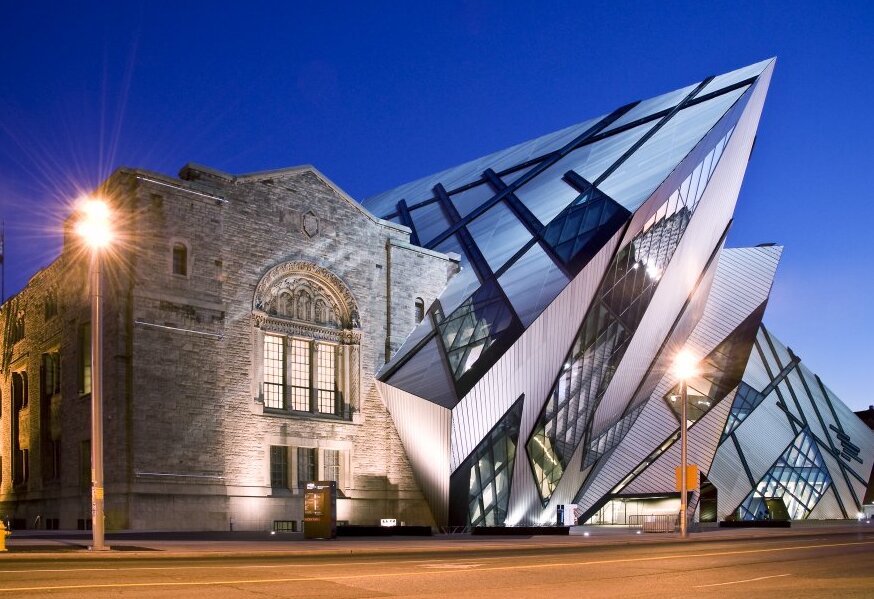
Nestled in the heart of Toronto, the Royal Ontario Museum (often referred to as the ROM) stands as a beacon of cultural and historical exploration. Established in 1914, the museum was born out of a desire to create a space where the world’s diverse narratives could be told through art and artifacts. Originally conceived as a natural history museum, it has since evolved into one of the largest museums in North America, housing an extensive collection of over six million items that span geology, archaeology, and world cultures. Each year, the ROM attracts over one million visitors, enticing them with its rich offerings and immersive experiences.
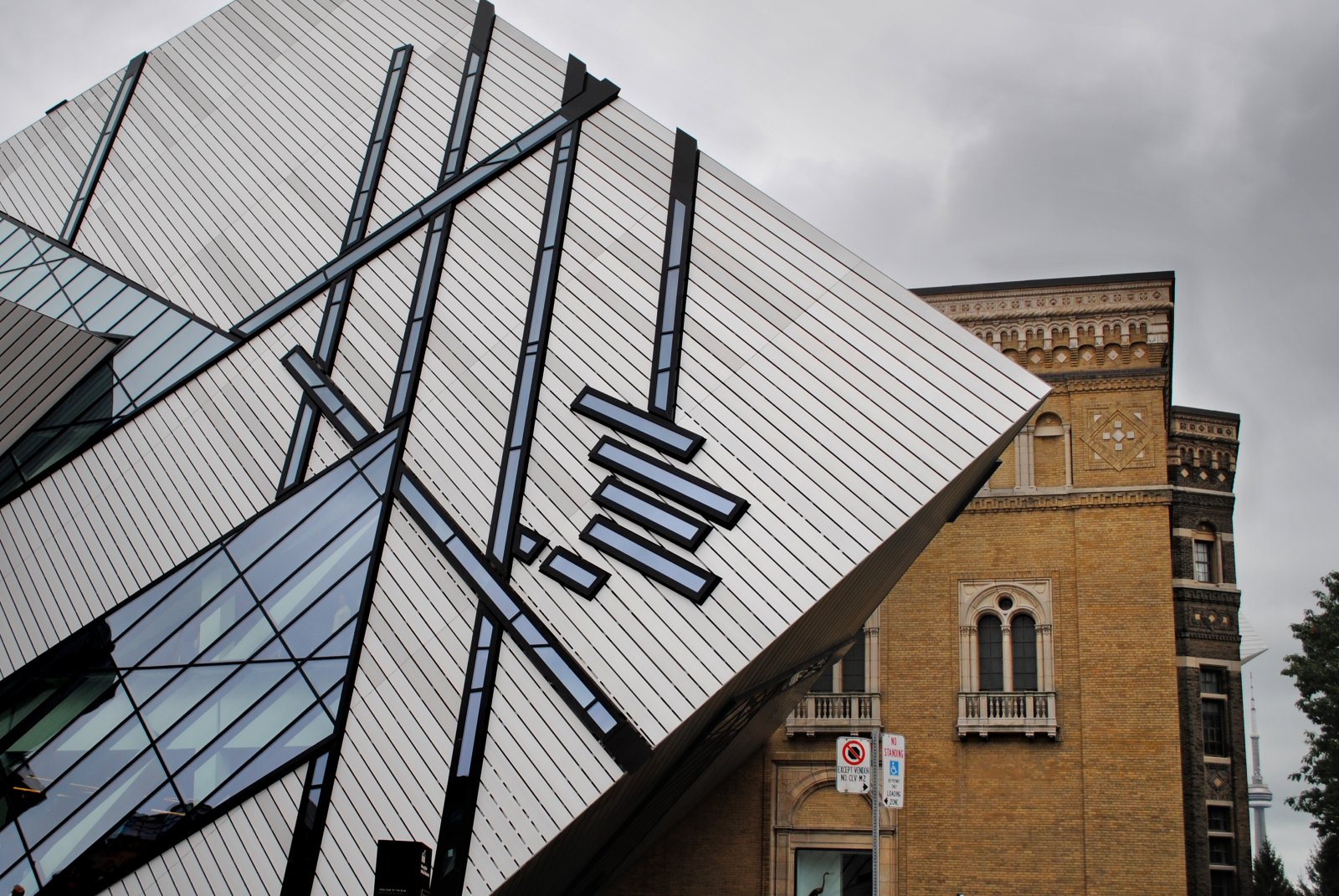
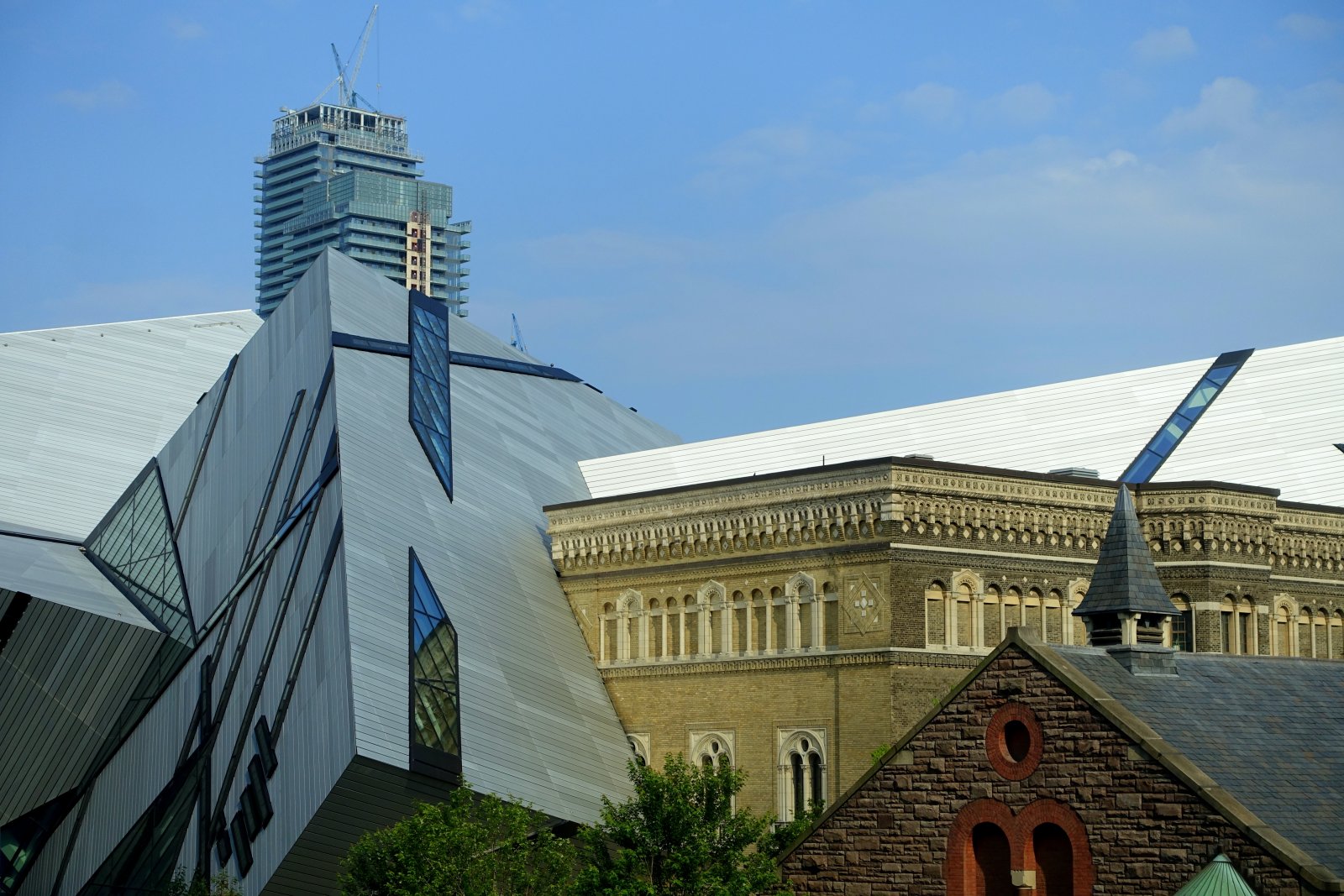
The architectural design of the Royal Ontario Museum is a striking blend of the old and the new. The original building, designed by architects Frank Darling and John A. Pearson, showcases a Romanesque Revival style, characterized by its intricate stonework and grandiose scale. In 2007, the museum underwent a dramatic transformation with the addition of the Michael Lee-Chin Crystal, designed by Daniel Libeskind. This modern structure, with its sharp angles and glass façade, contrasts beautifully with the historic architecture, symbolizing the museum's commitment to evolving while honoring its past. Visitors are often enchanted by the stunning interplay of light and space within the Crystal, which houses galleries dedicated to contemporary works and cultural exhibitions.
The ROM is not only a repository of artifacts but also a reflection of Toronto's vibrant cultural mosaic. The museum often acts as a stage for local customs and traditions through various festivals and cultural events. One such event is the ROM Friday Night Live, where the museum opens its doors after hours to host live music, food, and art, creating an atmosphere of celebration and community engagement. This event encapsulates the spirit of Toronto, where diverse cultures merge to create unique experiences.
When it comes to local gastronomy, the Royal Ontario Museum is surrounded by a plethora of dining options that showcase Toronto's multicultural food scene. Just a stone's throw away, visitors can savor dim sum from the bustling Chinatown, indulge in authentic Indian curry in the Little India neighborhood, or enjoy a classic peameal bacon sandwich at the iconic St. Lawrence Market. These culinary delights serve as a delicious accompaniment to the museum experience, allowing visitors to taste the very cultures they explore within the ROM's walls.
For those looking to uncover lesser-known curiosities, the Royal Ontario Museum has its share of hidden gems. Did you know that the museum houses one of the largest collections of Chinese artifacts outside of China? Among these treasures is a stunning Han Dynasty tomb replica, featuring intricate carvings and artifacts that offer insight into ancient Chinese funerary customs. Another fascinating detail is that the museum was the first in North America to display a Tyrannosaurus rex skeleton, which has since become one of its most popular attractions, captivating visitors with the stories of prehistoric life.
When planning your visit to the Royal Ontario Museum, the best time to go is during weekdays, particularly in the morning, to avoid the larger crowds that gather on weekends. If you can, align your visit with one of the special exhibitions, which often feature exclusive artifacts and thematic displays that rotate throughout the year. Be sure to take your time exploring the Biodiversity and Earth’s History galleries, where you can marvel at the life-size mammoth and the colorful array of minerals that tell the story of our planet.
With its rich history, stunning architecture, and diverse offerings, the Royal Ontario Museum is truly a treasure trove waiting to be discovered. Whether you are a history buff, an art enthusiast, or a curious traveler, the ROM offers an experience that is both educational and inspiring. To make the most of your visit to Toronto, consider using the Secret World app for a personalized AI itinerary tailored to your interests.
