



Ruins of Lixus stand as a testament to the rich tapestry of history that weaves through Morocco. Nestled near the picturesque town of Larache, these ancient remnants whisper stories of great civilizations that once thrived here. Founded by the Phoenicians around 700 BC, Lixus was a crucial trading post due to its strategic location near the Atlantic coast. The settlement quickly attracted the attention of the Carthaginians, who expanded its influence, establishing it as a vibrant hub for commerce and culture.
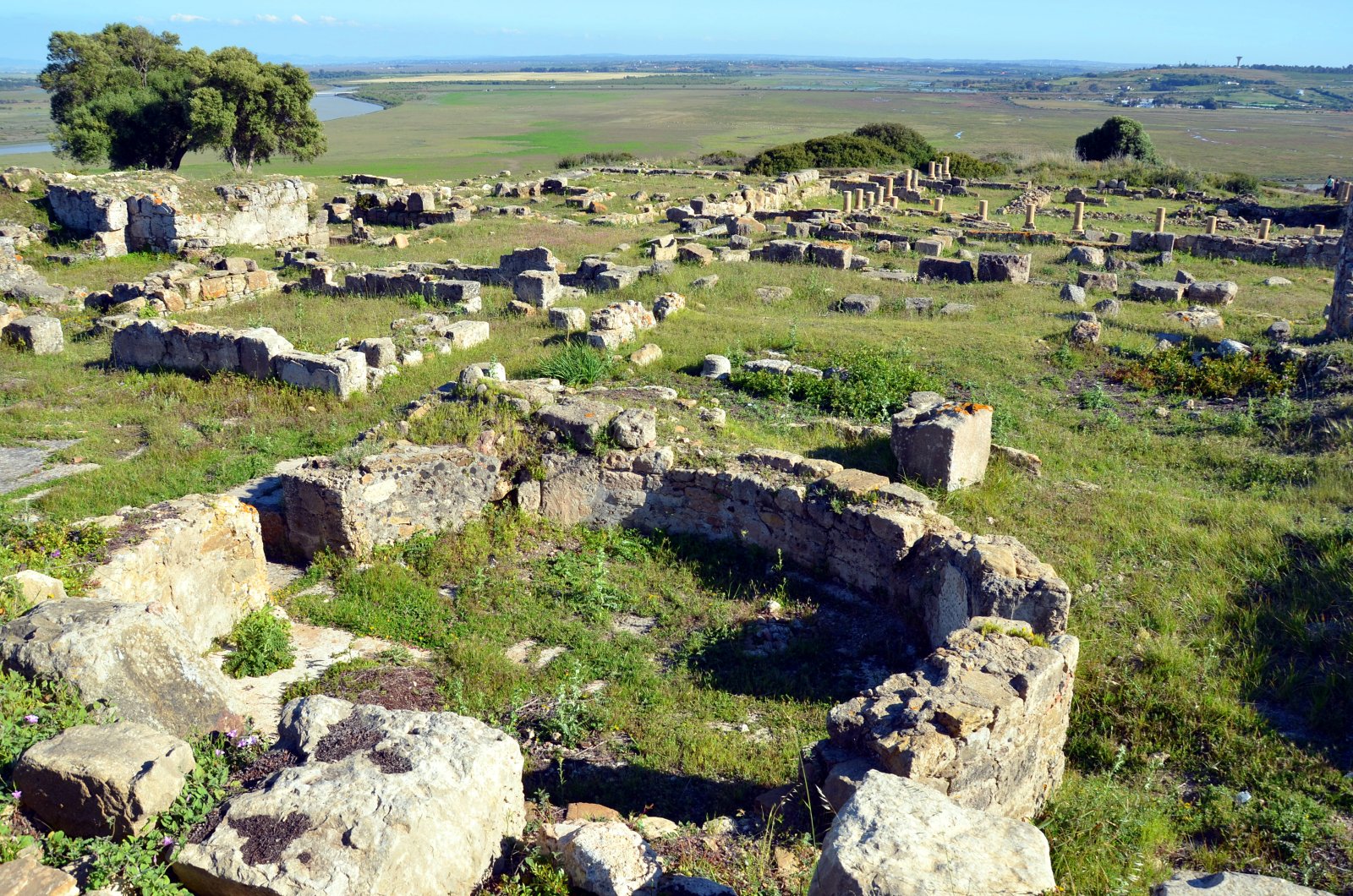
The turning point for Lixus came when the Romans arrived in the 1st century BC. They recognized the site's potential and initiated significant development. Under Roman rule, Lixus flourished, becoming an essential part of the Roman Empire's trade networks. Notable historical events include its mention by Pliny the Elder, who described Lixus as a source of gold and silver, indicating its economic importance. Throughout the centuries, the ruins of Lixus have borne witness to various cultural shifts, with the Amazigh, Arabs, and Spanish all leaving their mark on the landscape.
Architecturally, the ruins of Lixus are a fascinating blend of styles, showcasing the influences of different rulers. The remnants of Roman villas, baths, and temples reflect the sophistication of ancient engineering. The Roman amphitheater, carved into the hillside, served as a gathering place for entertainment, while the aqueducts highlight the Romans' advanced water management systems. Visitors can also find Carthaginian and Phoenician artifacts, adding to the archaeological significance of the site. The use of local stone in construction gives the ruins a unique character, blending seamlessly with the surrounding landscape.

Local culture in and around Lixus is deeply intertwined with its historical roots. The nearby town of Larache celebrates its diverse heritage through various customs and festivals. The Mimouna, a traditional Moroccan festival marking the end of Passover, showcases the region’s rich Jewish history, with families sharing sweet pastries and celebrating together. The annual Festival of the Mediterranean draws locals and visitors alike, featuring music, dance, and art that celebrate the multicultural essence of the area. The combination of Moorish and Andalusian influences is evident in the vibrant streets of Larache, where you can explore bustling souks filled with handcrafted goods and enjoy the warm hospitality of the local people.
When it comes to gastronomy, the region around Lixus offers a delightful array of flavors. Traditional Moroccan dishes such as tagine and couscous are staples in local cuisine. Fresh seafood from the nearby Atlantic enhances the culinary experience, with dishes like grilled sardines and seafood paella reflecting the coastal influence. Don’t miss out on a glass of mint tea, a beloved beverage that embodies Moroccan hospitality, often served during gatherings or after meals. For a unique twist, try briouates, savory pastries filled with meat or cheese, which are a popular snack in Larache.
As you wander the ruins, you may discover lesser-known curiosities that add depth to your visit. For instance, Lixus is believed to be the legendary site where Hercules rested after completing his 12 labors, according to local lore. This association with myth adds a layer of enchantment to the already captivating ruins. Additionally, the sacred grove of Hercules, located nearby, is said to be the spot where he performed rituals, providing an intriguing glimpse into ancient beliefs and practices.
The best time to visit the ruins of Lixus is during the spring and autumn months, when the climate is mild, allowing for comfortable exploration. Early morning visits are ideal to avoid the heat and enjoy the serene atmosphere. When you arrive, be sure to look for the Roman amphitheater and the artifacts housed in the nearby Larache Archaeological Museum, which offers context to the historical significance of Lixus. Guided tours can enrich your experience, providing insights that might otherwise be overlooked.
The ruins of Lixus not only represent ancient history but also serve as a bridge connecting diverse cultures through time. As you explore this remarkable site, take a moment to reflect on the layers of history that have shaped not just Lixus, but the entirety of Morocco.
For a truly personalized experience tailored to your interests, consider using the Secret World app to create your own itinerary!
