
← Back

Ruins of Volubilis, Morocco

El Menzeh, Meknes, Marocco ★★★★☆ 359 views
Nav Jal
Conservation du site Archeologique de Volubilis
🏆 AI Trip Planner 2026

Get the free app

Discover the best of Conservation du site Archeologique de Volubilis with Secret World — the AI trip planner with 1M+ destinations. Get personalized itineraries, hidden gems and local tips. Free on iOS & Android.

🧠 AI Itineraries 🎒 Trip Toolkit 🎮 KnowWhere Game 🎧 Audio Guides 📹 Videos
Scan to download iOS / Android
Scan for AppGallery Huawei users

About Ruins of Volubilis, Morocco

Ruins of Volubilis, Morocco - Conservation du site Archeologique de Volubilis | Secret World Trip Planner

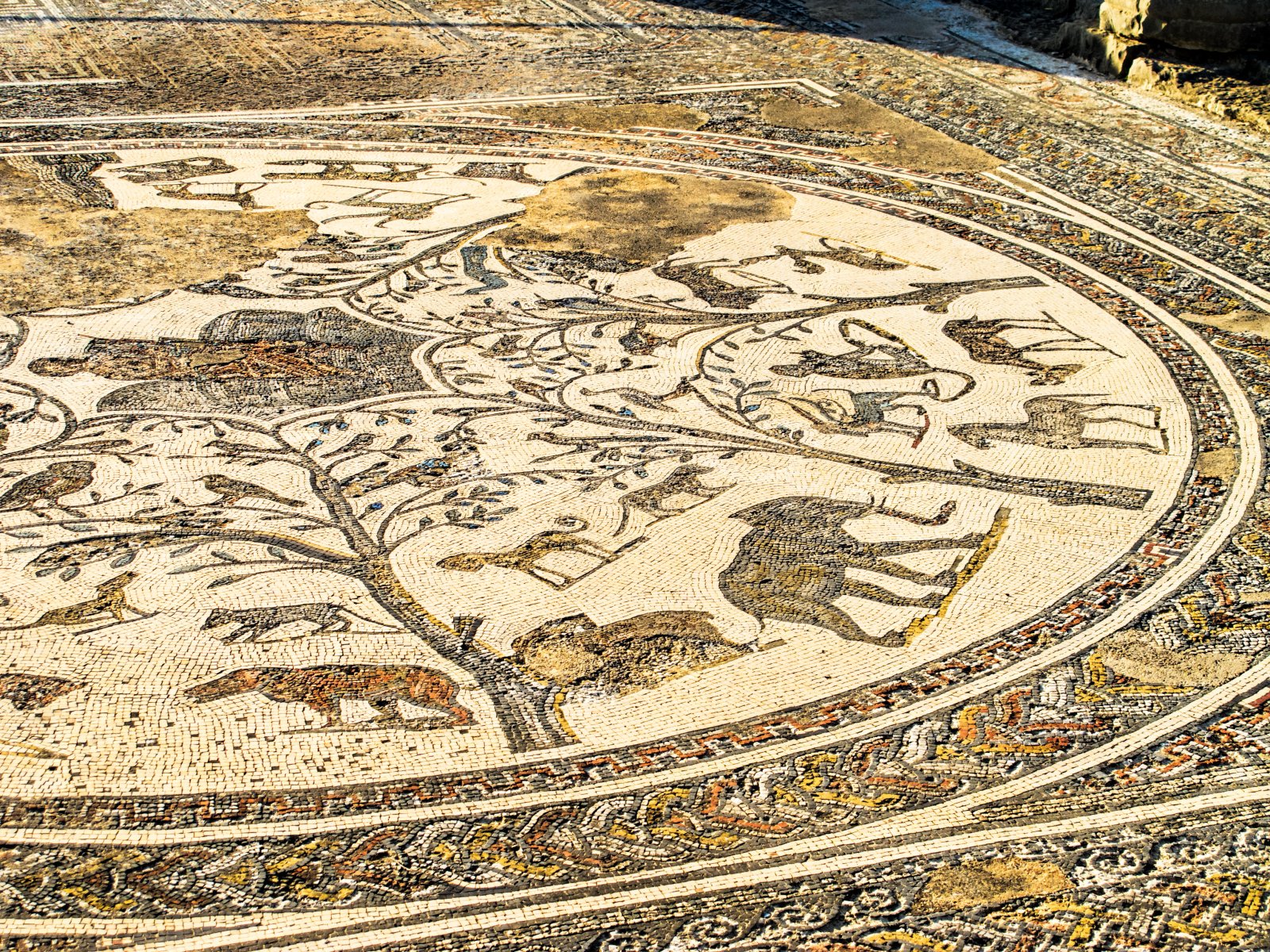
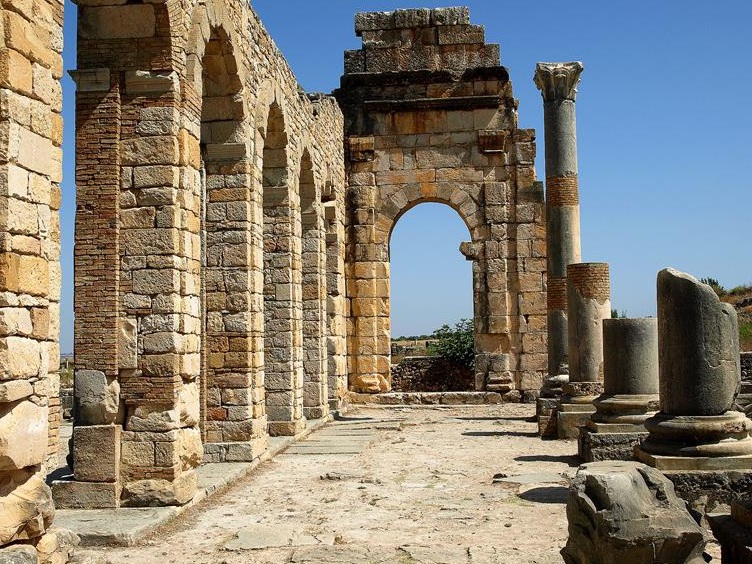
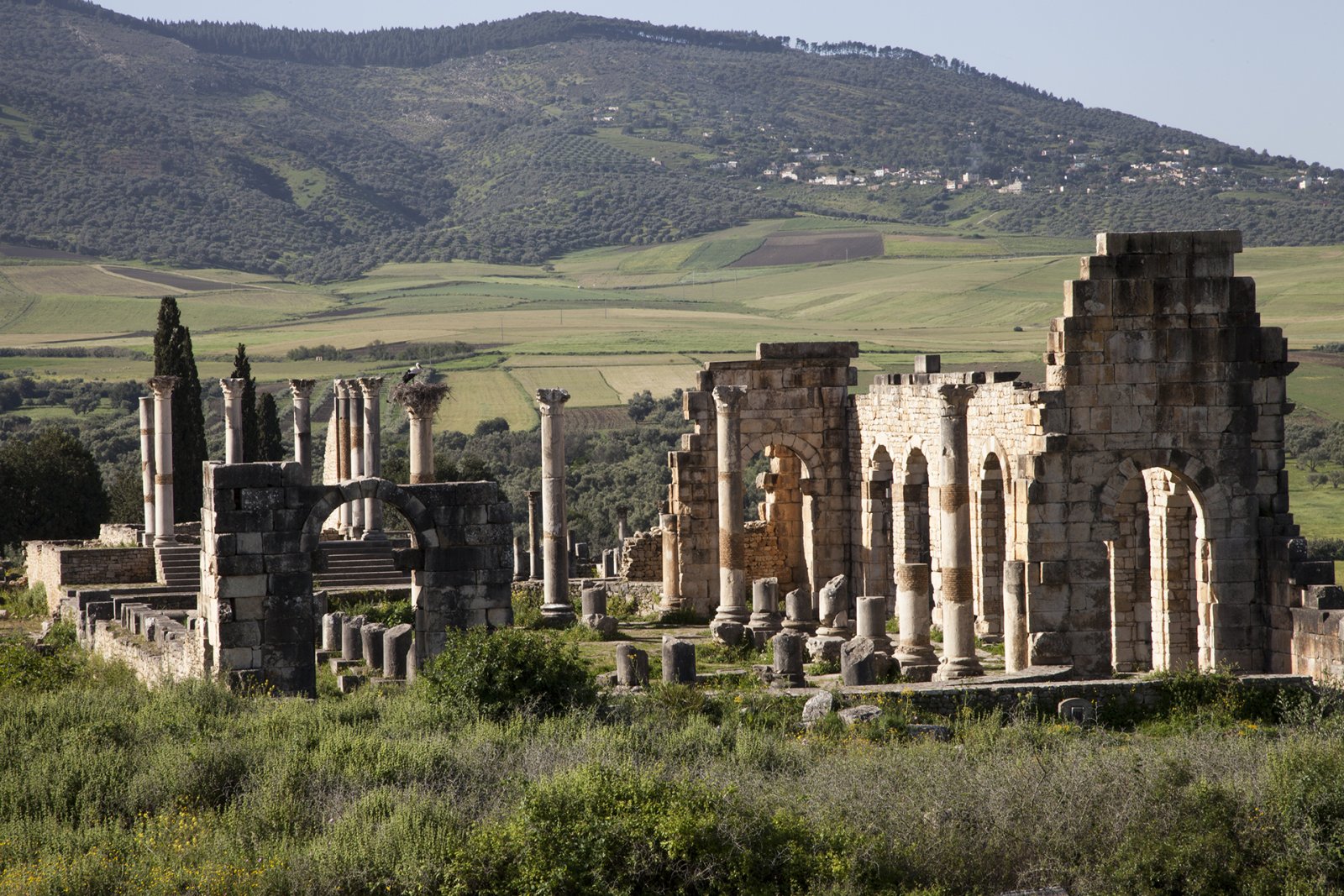
Nestled in the scenic hills of Morocco, the Ruins of Volubilis stand as a testament to the grandeur of ancient civilizations. Founded by the Phoenicians and later flourishing under Roman rule, this archaeological site offers a glimpse into a world where cultures intertwined and artistic achievements flourished. The site is renowned for its stunning basilica, featuring graceful arches and majestic columns, which dominate the landscape alongside exquisite Roman mosaics that tell stories of mythology and daily life.

Ruins of Volubilis, Morocco - Conservation du site Archeologique de Volubilis | Secret World Trip Planner

### History and Origins The Ruins of Volubilis date back over 2,000 years. Originally established as a Phoenician settlement, the site transformed with the arrival of the Romans around 40 AD, becoming one of the empire's most important outposts in North Africa. It served as a vital agricultural hub, exporting olive oil and grain to Rome. The site witnessed significant events, including the spread of Christianity in the 3rd century, which led to the construction of the basilica. Decline came in the 3rd century; however, Volubilis remained a prominent site until the 8th century when it was abandoned following the Arab conquest.

### Art and Architecture The architectural grandeur of Volubilis is evident in its impressive structures, notably the basilica, which stands as a symbol of the site’s historical significance. Built with Roman architectural styles, the basilica features intricate columns and arches, showcasing the engineering prowess of the time. The site is adorned with remarkable mosaics, each a striking work of art that reflects both Roman and local influences. The Mosaic of the Chariot Race, depicting a thrilling race, and the Mosaic of the Four Seasons, which illustrates the beauty of nature, are not to be missed. These artworks not only served decorative purposes but also conveyed stories and cultural values, making them significant both artistically and historically.

Ruins of Volubilis, Morocco - Conservation du site Archeologique de Volubilis | Secret World Trip Planner

### Local Culture and Traditions The local culture around the Ruins of Volubilis is rich and deeply rooted in its historical legacy. Nearby towns, such as Moulay Idriss, celebrate various festivals that honor both their Islamic heritage and the ancient history of the region. The Moulay Idriss Zerhoun Festival, held annually in August, is a vibrant display of local traditions, featuring music, dance, and traditional crafts. The influence of Berber and Arab cultures can be seen in daily customs, particularly in the cuisine and hospitality of the locals, who are known for their warm welcomes.

### Gastronomy Exploring the gastronomic delights of the region is a journey through flavors that reflect its diverse heritage. Traditional dishes such as tagine—a slow-cooked stew that can be made with lamb, chicken, or vegetables—are staples in local homes. Couscous, often served on Fridays, is a beloved dish that showcases the agricultural bounty of the area. Visitors can also savor local varieties of olive oil produced from the surrounding orchards, a nod to Volubilis's historical significance as an olive oil exporter. Pair these dishes with a glass of mint tea, a symbol of Moroccan hospitality, to complete the experience.

### Lesser-Known Curiosities While many visitors are drawn to the prominent basilica and mosaics, lesser-known details about Volubilis add layers to its allure. For instance, the site boasts the remains of a triumphal arch, dedicated to Emperor Caracalla, which is often overlooked. Moreover, the intricate designs of the mosaics include not just mythological figures but also everyday scenes, offering a fascinating glimpse into the daily lives of its ancient inhabitants. Some believe that the site is haunted, with tales of spirits from the past lingering among the ruins, adding an air of mystique.

### Practical Visitor Information To truly appreciate the Ruins of Volubilis, the best time to visit is during the spring months (March to May) or fall (September to November), when temperatures are mild and the surrounding landscape blooms with wildflowers. Visitors should wear comfortable shoes as the terrain can be uneven, and ample water should be carried, especially during warmer months. Don’t miss the opportunity to explore the less-traveled paths of the site, where you can discover hidden mosaics and enjoy panoramic views of the Moulay Idriss hills. Guided tours are available, offering insights into the rich history and significance of the site, enhancing the experience.

The Ruins of Volubilis serve as a remarkable reminder of a time when cultures collided and coalesced, leaving behind a legacy that continues to captivate visitors. To make the most of your visit to this UNESCO World Heritage site, consider using the Secret World app to plan a personalized AI itinerary that fits your interests.

🗺 AI Trip Planner 2026

Plan your visit to Conservation du site Archeologique de Volubilis

Suggested itinerary near Ruins of Volubilis, Morocco

MAJ+
500.000+ travelers worldwide
  1. 🌅
    Morning
    Ruins of Volubilis, Morocco
    📍 Conservation du site Archeologique de Volubilis
  2. ☀️
    Afternoon
    Marocco | L’incantevole Meknes
    📍 0.3 km · Conservation du site Archeologique de Volubilis

Buy Unique Travel Experiences

Powered by Viator

See more on Viator.com

Explore nearby · Conservation du site Archeologique de Volubilis

Frequently Asked Questions

The Ruins of Volubilis date back over 2,000 years, originally founded as a Phoenician settlement before being transformed by the Romans around 40 AD into one of the empire's most important North African outposts. The site served as a vital agricultural hub exporting olive oil and grain to Rome, experienced the spread of Christianity in the 3rd century with basilica construction, and was eventually abandoned in the 8th century following the Arab conquest.
The primary attractions include the stunning basilica with its graceful arches and majestic columns, along with exquisite Roman mosaics depicting mythological and daily life scenes. Must-see mosaics include the Mosaic of the Chariot Race and the Mosaic of the Four Seasons, which showcase remarkable artistry and reflect both Roman and local influences.
Volubilis was originally founded by the Phoenicians, but the Romans arrived around 40 AD and transformed it into a thriving outpost of their empire. The site then flourished under Roman rule, becoming a significant center for agriculture and culture in North Africa.
Volubilis showcases impressive Roman architectural styles, most notably the basilica with its intricate columns and arches that demonstrate the engineering prowess of the time. The site is also renowned for its remarkable mosaics that served not only as decorative elements but also as vessels for storytelling, conveying cultural values and artistic achievement through their detailed designs.
Volubilis served as a vital agricultural hub for the Roman Empire, exporting valuable commodities like olive oil and grain back to Rome, making it one of the empire's most important economic outposts in North Africa. The site also became a center for the spread of Christianity in the 3rd century, adding to its historical and cultural significance within the Roman world.