
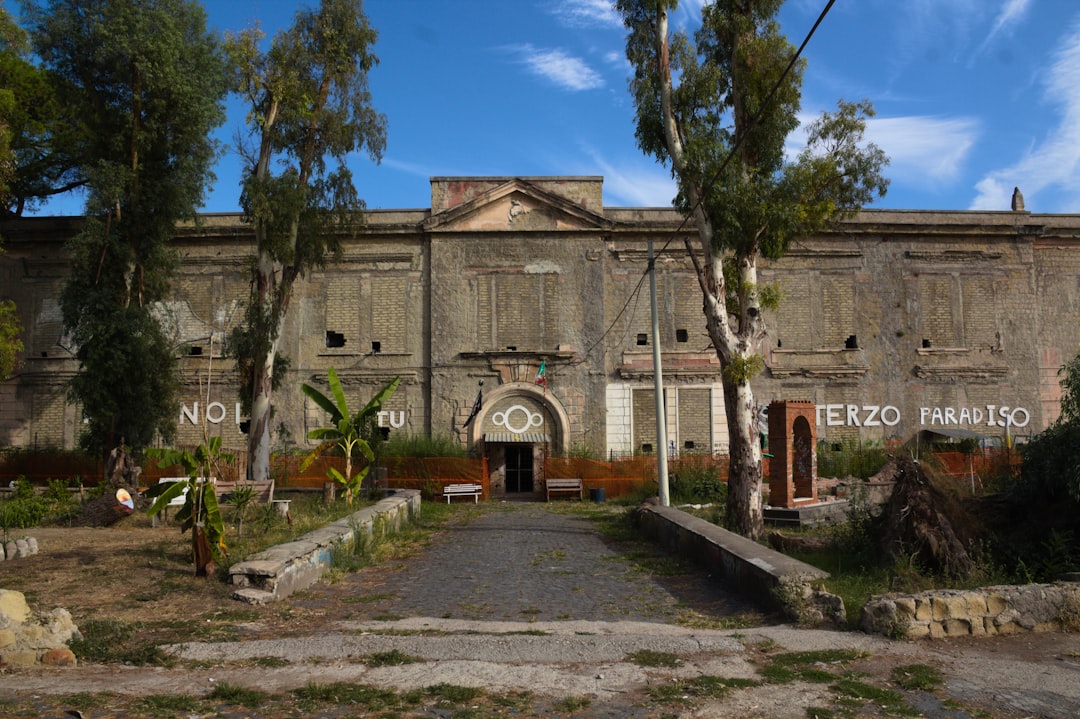

Two hundred frescoed rooms, parquet floors inlaid and golden stuccos that cover every inch of the ceilings: the Rundāle Palace presents itself to the visitor with a decorative density that leaves one speechless right from the first corridor. Built in the Latvian plain about 75 kilometers south of Riga, this complex is one of the rare examples of baroque architecture in Northern Europe that has survived almost intact through the turmoil of the twentieth century.

The palace was commissioned by Ernst Johann von Biron, Duke of Courland and favorite of Empress Anna of Russia, who in 1736 commissioned Bartolomeo Francesco Rastrelli to design it. The same Italian architect who would later design the Winter Palace in St. Petersburg worked here for the first time on a monumental scale, and the result already shows all the characteristics of his mature style: long and rhythmic facades, enfilade representative halls, a skillful use of light to amplify the spaces.
The external architecture and the formal park
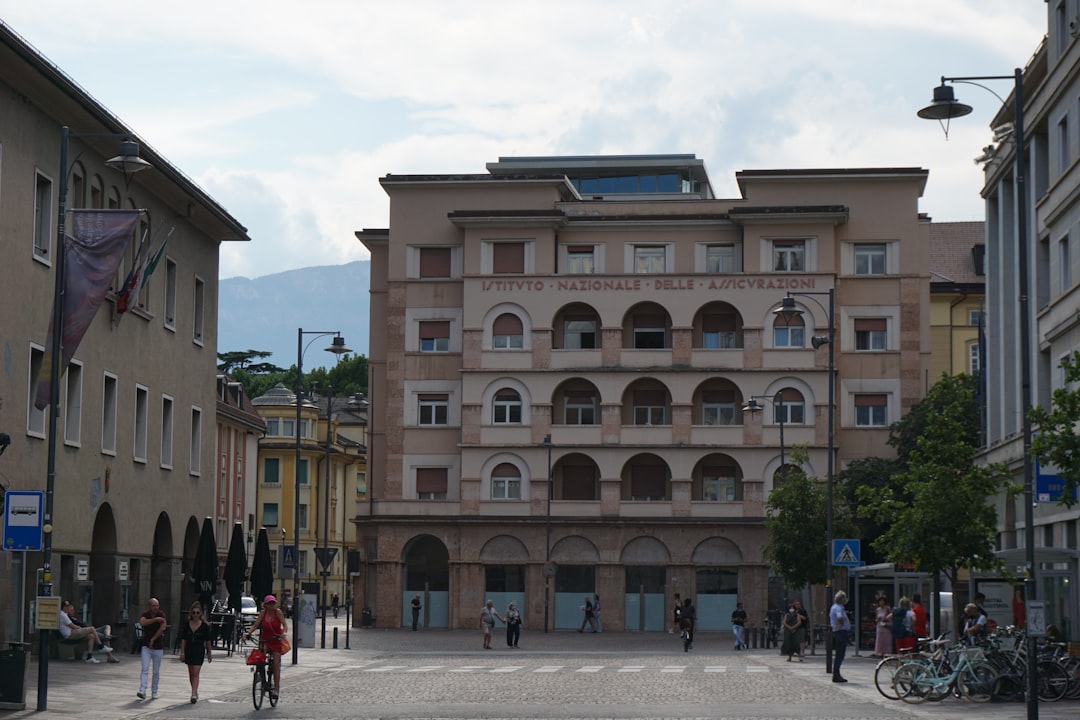
The main facade of the palace extends over 140 meters, with a slightly advanced central body topped by a curvilinear pediment. The original color scheme, restored over the decades of work that have engaged the museum since 1972, alternates the warm ochre of the walls with the white of the frames and pilasters. Walking along the outer perimeter, one notices the large double-height windows of the state rooms, which from the outside anticipate the verticality of the interiors.
The French formal park that opens on the southern side has also undergone a patient restoration based on historical plans. The geometric parterres, the pruned linden tree paths, and the fountains reflect the taste of the Baltic aristocracy of the eighteenth century. In summer, the blooming rose gardens add color to a composition that in autumn takes on more austere but equally photogenic tones.

The state rooms: stuccoes, gilding, and frescoes
Inside, the most spectacular rooms are located in the wing designated for the ducal residence. The Golden Room, with its panels of gilded stucco and mirrors that multiply the light of the candles, is considered the decorative masterpiece of the entire complex. The stuccoes were executed by Italian and German craftsmen under the supervision of Rastrelli, and their technical quality is still visible today in the fineness of the floral reliefs and the allegorical figures that frame the doors.

The Throne Room and the gala dining room, on the other hand, feature parquet floors with different woods arranged in complex geometric patterns: a craftsmanship that the restorers have reconstructed piece by piece using the same 18th-century techniques. Some sections of the original parquet are still visible and distinguishable from the restored ones thanks to small differences in the wood's tone, a detail that the museum staff is often willing to point out.
Troubled History and Contemporary Restoration
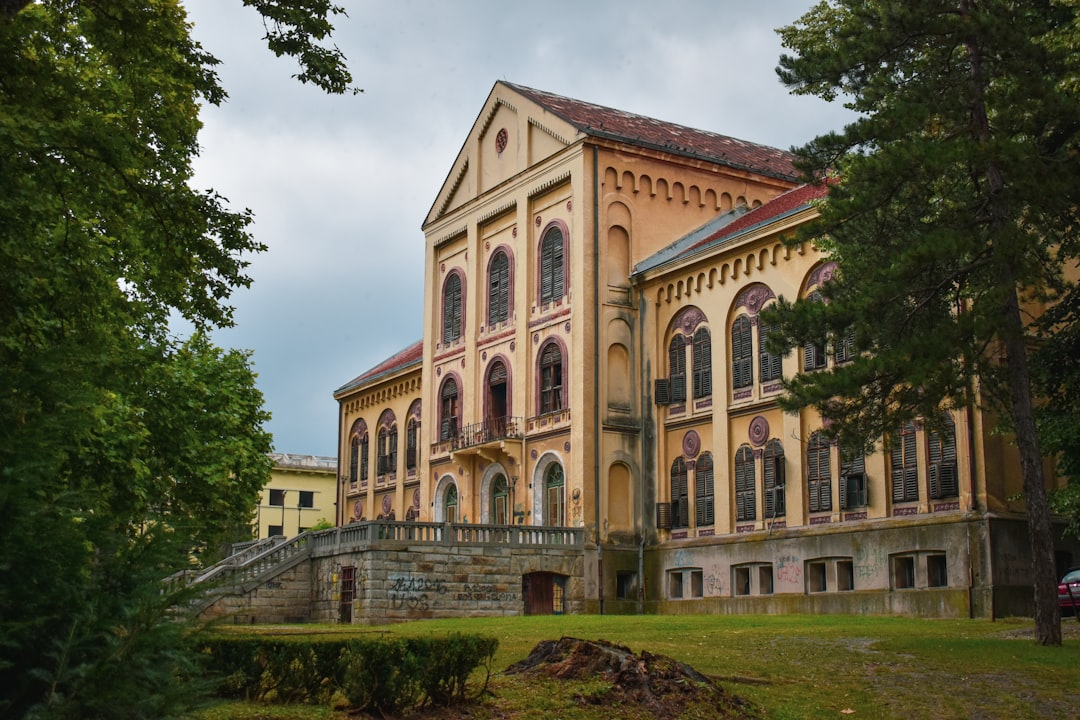
After the death of Biron, the palace changed hands several times, was used as a granary during the Soviet period, and suffered considerable damage. The restoration process, initiated by architect Imants Lancmanis in the 1970s, has returned about 40 of its main rooms to the structure, with historical and technical research work that has become a reference model in the field of architectural restoration in Eastern Europe.
Today, the palace is managed as a state museum and also hosts temporary exhibitions of decorative art. The permanent collection includes original period furniture, porcelain, portraits of the Courland court, and a selection of documents that tell the history of the duchy. The absence of large tourist flows compared to other comparable European palaces allows for observing these objects with a calm that would be impossible elsewhere.
Practical Information for the Visit
Rundāle is easily reachable by bus from Riga in about an hour and a half, with departures from the central station. Alternatively, many visitors rent a car to combine the visit with that of Bauska Castle, located about twenty kilometers away. The entrance ticket to the palace and park costs around 10-12 euros for adults, with reduced rates for students and seniors.
The best time to visit is in the morning on weekdays, when the rooms are almost deserted and natural light enters obliquely through the large windows, enhancing the details of the stuccos. Plan for at least two hours for the palace and an additional hour for the park. In summer, the park hosts baroque music concerts that perfectly blend with the atmosphere of the place.


