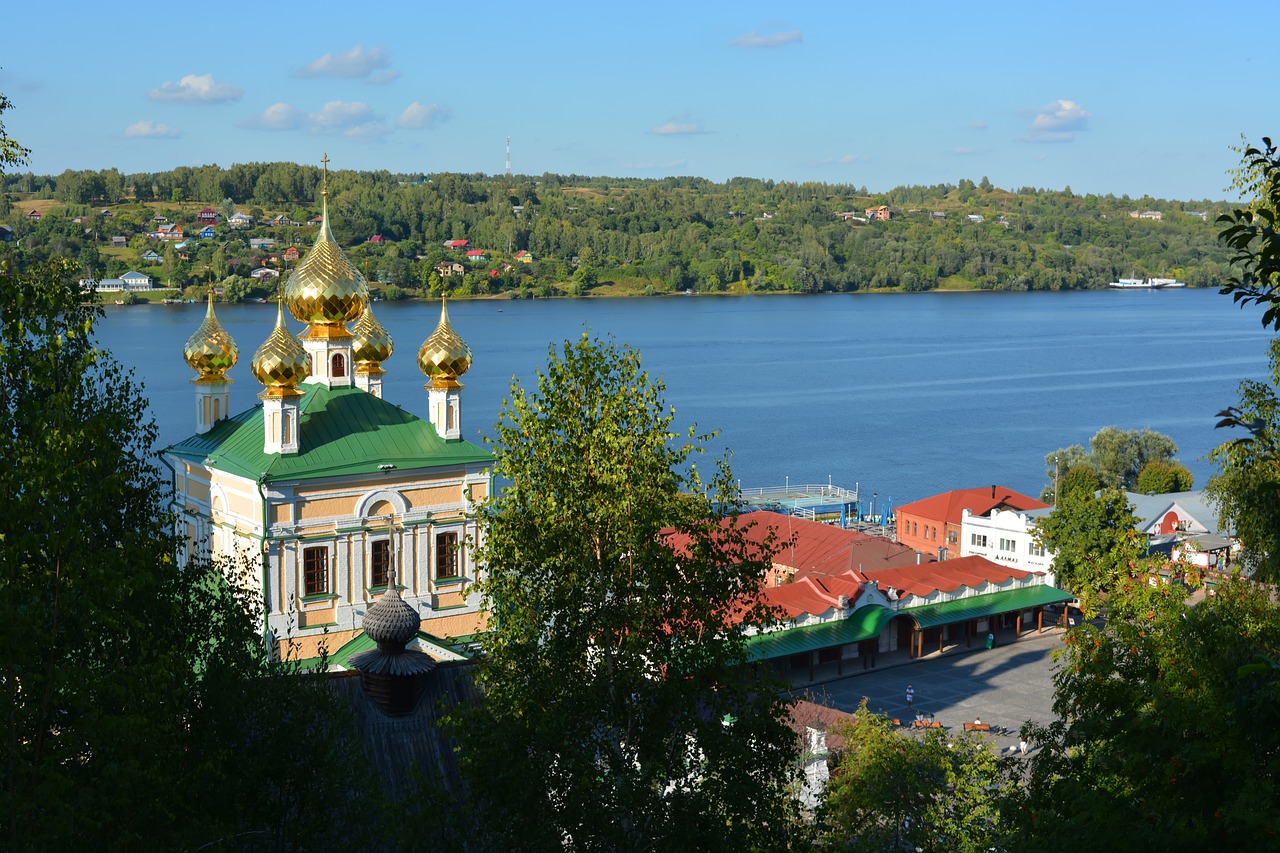


Nestled on the banks of the Volga River, the quaint town of Plios offers a mesmerizing glimpse into Russia’s rich history and vibrant culture. Once a bustling hub for merchants in the 19th century, this charming locale has maintained its original Slavic appeal, captivating visitors with its picturesque landscapes and rustic charm.

History and Origins Plios dates back to the 13th century, with its first mention in historical chronicles recorded in 1314. Originally founded by the Vladimir-Suzdal Principality, it served as a strategic trading post due to its location along the Volga River, which facilitated commerce between the North and South of Russia. By the 18th and 19th centuries, Plios blossomed into a favored retreat for Russia's elite, particularly artists and writers inspired by the serene landscape. Notably, the renowned painter Isaac Levitan spent summers here, capturing its breathtaking vistas that would later earn him acclaim as a master of Russian landscape painting. Art and Architecture Walking through Plios is akin to stepping into a living canvas. The architectural style reflects a blend of traditional Russian wooden dacha and late 19th-century merchant houses, many of which have been lovingly restored by local entrepreneurs. The Church of the Nativity of the Blessed Virgin Mary, built in 1653, stands as a testament to the town's spiritual heritage, adorned with intricate frescoes that whisper tales of the past. Artistic significance is palpable, as the streets are dotted with galleries showcasing works inspired by the town’s natural beauty, with scenes of the Volga and surrounding forests. Local Culture and Traditions The cultural heartbeat of Plios is vibrant and steeped in tradition. Locals celebrate various festivals throughout the year, including the Plios Art Festival, which attracts artists and art lovers from all over Russia. Traditional crafts, such as wood carving and embroidery, are showcased, reflecting the town's artisanal roots. Additionally, visitors may witness folk performances that narrate Slavic legends, allowing a deeper understanding of the region's history and customs. The inhabitants, often referred to as Pliosy, are known for their warmth and hospitality, often inviting guests to partake in traditional celebrations. Gastronomy A trip to Plios would be incomplete without indulging in its culinary offerings. The local cuisine is a delightful blend of river delicacies and rustic fare. Savory dishes like sturgeon and smoked Volga bream are popular among visitors, often enjoyed alongside kvass, a traditional fermented beverage made from rye bread. Bliny (thin pancakes) served with wild mushrooms and sour cream, as well as borscht made from locally sourced beets, offer a taste of the region’s agricultural bounty. Seasonal festivals often bring forth unique creations, such as chanterelle pies, made from the forest's plentiful harvest. Lesser-Known Curiosities Plios is not only a place of beauty but also of intriguing stories. Many visitors are unaware that Plios was once a favored retreat for Leo Tolstoy, who sought inspiration in its tranquil surroundings. In addition to its artistic connections, the town has several hidden trails leading to scenic viewpoints along the Volga, where one can enjoy pristine sunsets away from the crowds. Moreover, local babushkas often share secret recipes passed through generations, allowing visitors a taste of authentic Slavic home cooking. Practical Visitor Information The best time to visit Plios is during the late spring and early summer months, from May to July, when the weather is mild, and the natural beauty is at its peak. For those planning a trip, it’s advisable to explore by foot or bicycle to fully appreciate the scenery and architecture. Be sure to visit the local markets, where one can find homemade preserves and artisanal crafts, perfect for souvenirs. As you immerse yourself in the charm of Plios, don’t forget to explore the Secret World app for a personalized itinerary tailored to your interests.