



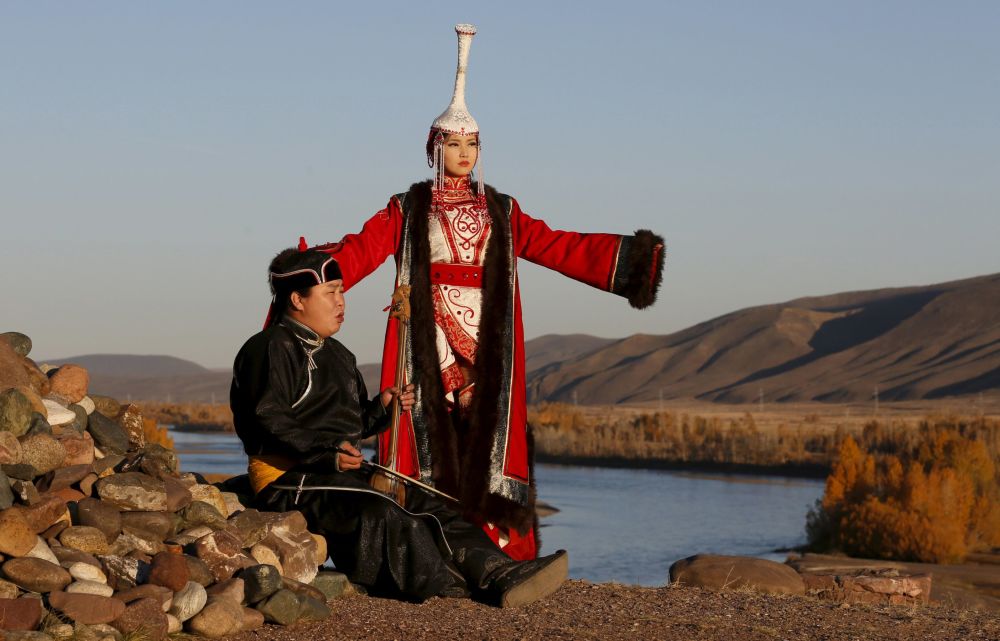
In the heart of southern Siberia lies Tuva, an autonomous region of the Russian Federation known for its rich cultural traditions, most notably Tuvan Throat Singing, or Khoomei. This unique vocal art form dates back centuries, deeply rooted in the region's nomadic lifestyle and spiritual beliefs. Tuvan throat singing is characterized by the ability to produce two distinct pitches simultaneously: a low drone that resonates deep within the chest and a high-pitched harmonic whistle that dances above it. This remarkable technique is not just an auditory experience; it's a connection to the land, the spirits, and the community.

### History and Origins The origins of Tuvan throat singing can be traced back to the ancient Turkic and Mongolic cultures that inhabited the region. It is believed that the practice emerged as a way to mimic the sounds of nature, particularly the wind, rivers, and animals. In the Tuvan worldview, everything is interconnected; thus, the music serves as a form of communication with the environment and the spirits that reside within it.
The first documented mention of throat singing dates back to the 13th century, but it flourished in the 20th century when it became a significant part of Tuvan identity. The collapse of the Soviet Union in the early 1990s allowed for a resurgence in interest, bringing international attention to Tuvan artists like Kongar-ool Ondar and the ensemble Huun-Huur-Tu.

### Art and Architecture While Tuvan throat singing is a vocal art form, the surrounding architecture and artistic expressions complement its rich cultural tapestry. The traditional Tuvan yurts, or ger, are circular felt-covered dwellings that reflect the nomadic lifestyle of the Tuvan people. Inside, intricate patterns and colors symbolize aspects of their beliefs and way of life.
Artworks often depict the stunning landscapes of Tuva, with its mountains, rivers, and vast steppes serving as a backdrop for various styles of painting and sculpture. Notable artists like Gennady Soloviev have captured the essence of Tuvan culture through their vivid representations of local life and traditions, further enhancing the significance of throat singing as part of their artistic expression.
### Local Culture and Traditions Tuvan throat singing is more than just a musical style; it is an integral part of local customs and celebrations. Festivals such as the Ustuu-Huree Festival celebrate this cultural heritage, featuring competitions and performances that showcase the skills of local singers. The festival typically takes place in August, drawing visitors from around the world who come to experience this unique art form firsthand.
Another significant event is the Tuvan National Day, celebrated in early June, which emphasizes Tuvan identity and cultural pride through various performances, including throat singing, traditional dances, and storytelling.
### Gastronomy In addition to its vibrant cultural expressions, Tuva boasts a rich culinary tradition that complements its musical heritage. Khuushuur, a fried meat pie, is a popular dish often served at festivals and gatherings. It is commonly filled with lamb or beef, seasoned with local herbs and spices, and symbolizes the hospitality of the Tuvan people.
Another local specialty is buza, a chilled drink made from fermented milk and grains, served during social gatherings. Tuvan cuisine is heavily influenced by the nomadic lifestyle, emphasizing hearty ingredients that can sustain individuals through the harsh Siberian winters.
### Lesser-Known Curiosities One fascinating aspect of Tuvan throat singing is its spiritual significance. Many practitioners believe that the act of singing connects them with the natural world and the spirits of their ancestors. Some singers also incorporate elements of shamanism into their performances, using specific melodies and rhythms to invoke spiritual connections.
Moreover, Tuvan throat singing has gained popularity beyond Russia, with numerous collaborations with artists from diverse genres, including rock and classical music. This cross-cultural exchange has enriched the global music scene while highlighting the importance of preserving Tuvan traditions.
### Practical Visitor Information For those interested in experiencing the vibrant culture of Tuva, the best time to visit is during the summer months, from June to August, when local festivals are in full swing. Travelers can explore the capital, Kyzyl, which serves as a hub for cultural activities, including workshops on throat singing.
When visiting, take the time to engage with local artists and perhaps even participate in a throat singing workshop. Additionally, be sure to sample the local cuisine and enjoy the breathtaking landscapes that define this unique region.
In conclusion, Tuvan throat singing is not just a musical tradition but a profound expression of the Tuvan identity, intertwined with the land, culture, and history. To delve deeper into this captivating world, consider using the Secret World app for a personalized itinerary that will guide you through Tuva's rich experiences.
