



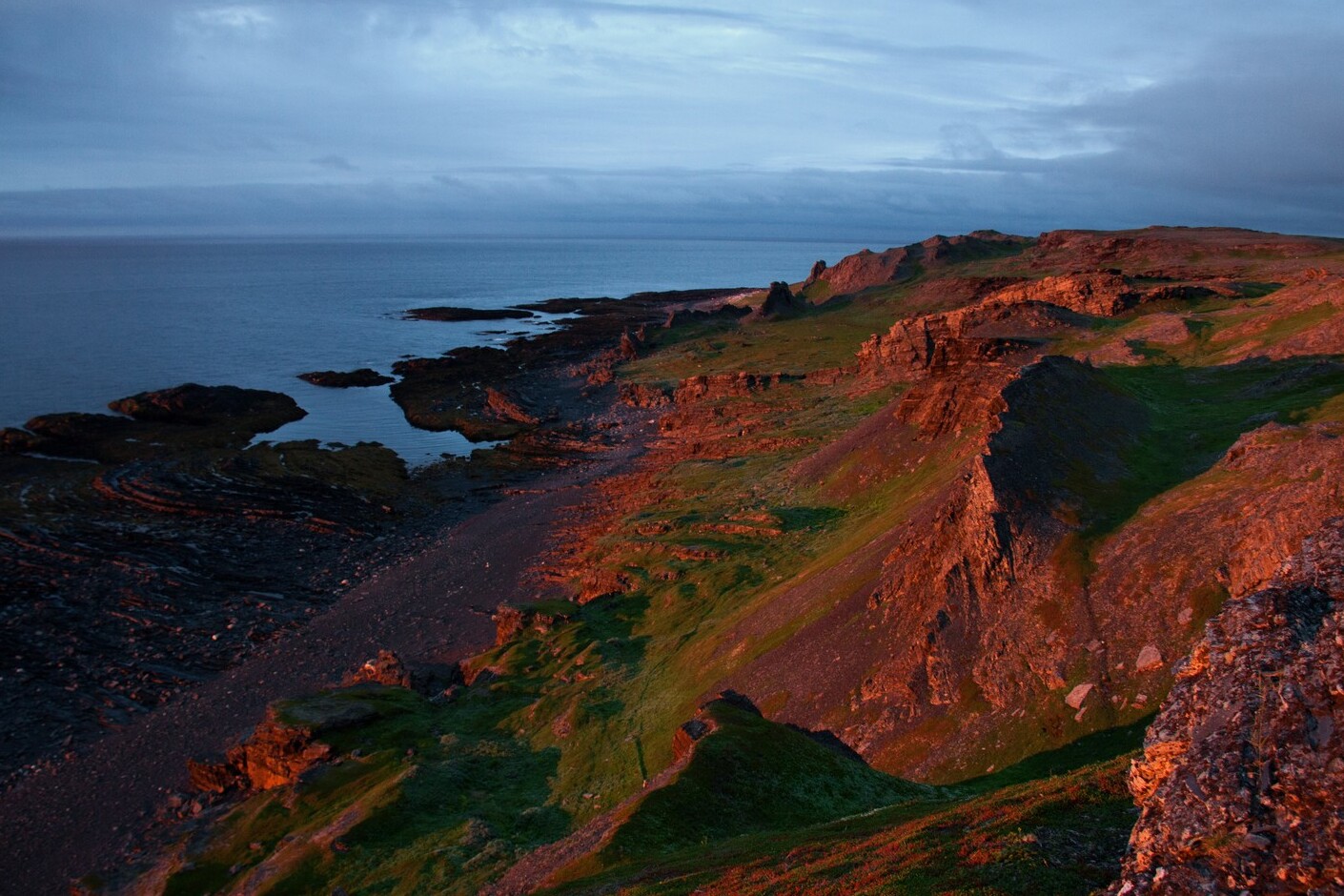
{ "title": "Rybachy Peninsula: A Hidden Gem in Northern Russia", "description": "Nestled in the remote reaches of Murmansk Oblast, the Rybachy Peninsula offers a captivating blend of history, culture, and natural beauty. Its name, meaning 'Fishing Peninsula,' speaks to the bountiful waters of the Barents Sea, which have sustained communities for centuries. The peninsula is unique as the northernmost point of continental European Russia, and, surprisingly, it boasts a milder climate than expected due to the warm North Cape Current, which keeps its coastal waters ice-free year-round.\n\n### History and Origins\nThe Rybachy Peninsula has been inhabited since time immemorial, with archaeological evidence suggesting that the area was frequented by Saami tribes. These indigenous peoples relied on the rich marine resources, establishing a sustainable way of life long before the arrival of Russian explorers. The region began to see significant Russian influence in the 18th century, particularly with the establishment of the Russian Empire's northern territories. \n\nNotable historical events include the Second World War, during which the peninsula was strategically important. Its rugged terrain and coastal waters became a battleground for naval operations, marking an era of hardship and resilience for the local population.\n\n### Art and Architecture\nWhile the Rybachy Peninsula may not be renowned for grand architectural feats, it possesses a rustic charm characterized by traditional wooden dachas and fishing huts. These structures echo the simplicity and functionality of life along the coast. The nearby towns, such as Nikel and Zapolyarny, showcase Soviet-era architecture, blending utilitarian designs with the stark beauty of the landscape. \n\nLocal artisans often create beautiful wooden carvings and handicrafts, reflecting the natural surroundings and cultural heritage. The artistry here is deeply rooted in the traditions of the Saami and Russian cultures, often depicting themes of nature and spirituality.\n\n### Local Culture and Traditions\nThe culture of the Rybachy Peninsula is a tapestry woven from the threads of indigenous Saami traditions and Russian influences. Local customs often celebrate the changing seasons, with festivals that include music, dance, and feasting. One such event is the annual Festival of the Sea, where residents and visitors come together to celebrate the bounty of the sea through storytelling, fishing competitions, and local cuisine.\n\nThe Saami people, with their rich folklore and traditional clothing, play a significant role in the cultural landscape. You may encounter community gatherings where ancient songs and stories are shared, often accompanied by traditional instruments like the kantele.\n\n### Gastronomy\nThe cuisine of the Rybachy Peninsula is a reflection of its maritime heritage. Expect to find dishes centered around fresh fish such as herring, cod, and capelin, often prepared in traditional ways. One local delicacy is the ", "a hearty fish soup that incorporates local herbs and vegetables.\n\nAnother staple is rye bread, typically served with fish or hearty stews. For those with a sweet tooth, cloudberry jam is a must-try, often accompanying desserts or served on pancakes. To wash it down, try the locally brewed Kvass, a fermented beverage made from rye, which has been enjoyed by generations.\n\n### Lesser-Known Curiosities\nOne of the most intriguing aspects of the Rybachy Peninsula is its unique wildlife. The region is a migratory stopover for numerous bird species, making it a paradise for birdwatchers, especially during the spring months. Additionally, the peninsula is home to some of the rarest flora and fauna, including the elusive Arctic fox and various species of migratory birds.\n\nA surprising fact is that the Rybachy Peninsula was once considered for development as a military base during the Cold War due to its strategic location. However, the plans were never realized, allowing the area to remain relatively untouched and pristine.\n\n### Practical Visitor Information\nThe best time to visit the Rybachy Peninsula is during the summer months, from June to August, when the weather is milder, and the days are long. While the region experiences a subarctic climate, summer temperatures can reach up to 17°C (63°F), making outdoor exploration enjoyable.\n\nTraveling to the peninsula can be challenging due to its remote location. Visitors should plan to fly into Murmansk and then arrange transportation to the peninsula, either by bus or private car. Be sure to pack layers, as weather conditions can change rapidly.\n\nDon’t miss the chance to explore the stunning coastal views, hike the rugged terrain, and immerse yourself in the local culture. Whether you’re fishing in the Barents Sea or enjoying a quiet moment with a local artisan, the Rybachy Peninsula promises a unique and unforgettable experience.\n\nFor a tailored adventure that captures the essence of this remarkable destination, consider using the Secret World** app to plan your personalized itinerary."
