
🎄 Win a month in Italy for two — €10,000 · The Secret Italy Prize GO →
Saffron in Città della Pieve — Città della Pieve
← Back
Other 📍 Città della Pieve, Italy 155 views

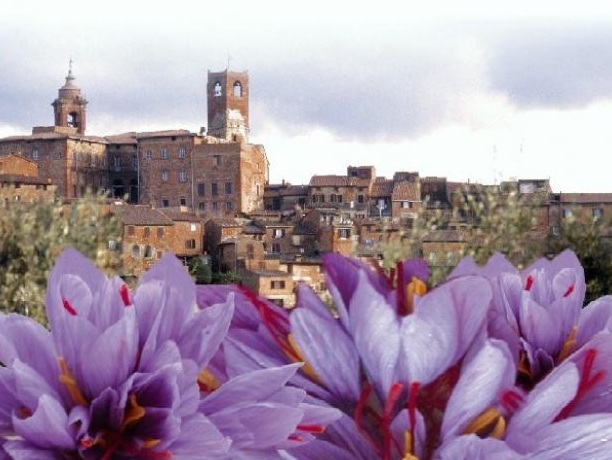
Saffron in Città della Pieve

The fact that saffron was produced in Umbria, and therefore also in Castel della Pieve, from at least the 13th century onwards, is testified by the Statute of Perugia of 1279, which forbade the planting of saffron by foreigners in the district of Città della Pieve. It was therefo...

Saffron in Città della Pieve — Città della Pieve, Italy.

Location
Città della Pieve
Type
Other
Opening hours
Weather now
↗ Directions

About Saffron in Città della Pieve

Saffron in Città della Pieve - Città della Pieve | Secret World Trip Planner

The fact that saffron was produced in Umbria, and therefore also in Castel della Pieve, from at least the 13th century onwards, is testified by the Statute of Perugia of 1279, which forbade the planting of saffron by foreigners in the district of Città della Pieve. It was therefore a sort of customs protectionism operated by the authorities of the dominant city. In the 1530 Statutes of the Gabella di Castel della Pieve, among other rubrics, the harvesting of saffron appears. It specifies that the Pieve producers must report their quantity to the Town Council by 8th November and consequently pay the tax. Fines were foreseen for those who did not report correctly and anyone was invited to inform on the matter for a large fee. In the Statuti del Danno Dato (Statutes of the Given Damage), again from 1530, there is a detailed list of all the possible damage to the saffron fields by individuals or animals and the relative compensation to the owner. From the above it can be seen that the production of saffron was very important for the economy of the city. The plant was mainly used for dyeing fabrics, if Castel della Pieve was an important centre for the production of cloth as early as the 13th century. At the end of the 1970s, the agronomist Alberto Vigano planted some saffron bulbs from Spain on his properties in the Pieve area. From this experience, in those years, other cultivations were derived by some growers from Pieve who were also fascinated by the spice. In June 2002, with the active collaboration of the Municipal Administration of Città della Pieve, the Mountain Community of Monti del Trasimeno and the Faculty of Agriculture of Perugia, together with others such as Gal Trasimeno Orvietano, Slow Food - Trasimeno Convivium and Trade Associations, the Consorzio Alberto Viganò "Il Croco di Pietro Perugino - Zafferano di Città della Pieve" was born.

✦ Secret World · suggested day

A perfect day in Città della Pieve

Start with Saffron in Città della Pieve, then continue with nearby places selected by Secret World.

  1. 01
    Morning
    Saffron in Città della Pieve
    📍 Città della Pieve
    Start here
  2. 02
    Afternoon
    📍 0.2 km away
  3. 03
    Evening
    📍 12.2 km away

Collect this place

Turn places you discover into stamps in your Secret Passport.

Open Secret Passport →

Keep exploring · Città della Pieve

Frequently Asked Questions

Saffron has been produced in Città della Pieve since at least the 13th century, as evidenced by the Statute of Perugia from 1279, which even forbade foreigners from planting saffron in the area. This early regulation shows how valuable and protected the crop was for the local economy.
The saffron produced in Città della Pieve was primarily used for dyeing fabrics, as the city was an important cloth production center as early as the 13th century. The spice's vibrant color made it highly valuable for the textile industry of that era.
Saffron cultivation was revived in the late 1970s when agronomist Alberto Viganò planted Spanish saffron bulbs in the Pieve area, inspiring other local growers to take up the crop. This revival led to the establishment of the Consorzio Alberto Viganò in June 2002, officially recognizing Città della Pieve saffron as a regional product.
According to the 1530 Statutes of the Gabella, saffron producers had to report their harvest quantities to the Town Council by November 8th and pay taxes accordingly. Those who failed to report correctly faced fines, and informants who exposed non-compliance were rewarded with substantial fees.
The 1530 Statuti del Danno Dato (Statutes of the Given Damage) provided detailed compensation schedules for saffron field damage caused by individuals or animals, demonstrating how crucial the crop was to the local economy. This legal protection shows that saffron cultivation was a significant and carefully regulated agricultural activity.

Experiences nearby · Città della Pieve

Powered by Viator

See more on Viator.com

Secret World Hidden places, real stories — plan your trip
Get the app
