
← Back

Saint Peter's Forest

Bosco di Santo Pietro, 95041 Caltagirone CT, Italia ★★★★☆ 274 views
Carry Biel
Bosco di Santo Pietro
🏆 AI Trip Planner 2026

Get the free app

Discover the best of Bosco di Santo Pietro with Secret World — the AI trip planner with 1M+ destinations. Get personalized itineraries, hidden gems and local tips. Free on iOS & Android.

🧠 AI Itineraries 🎒 Trip Toolkit 🎮 KnowWhere Game 🎧 Audio Guides 📹 Videos
Scan to download iOS / Android
Scan for AppGallery Huawei users

About Saint Peter's Forest

Saint Peter's Forest - Bosco di Santo Pietro | Secret World Trip Planner

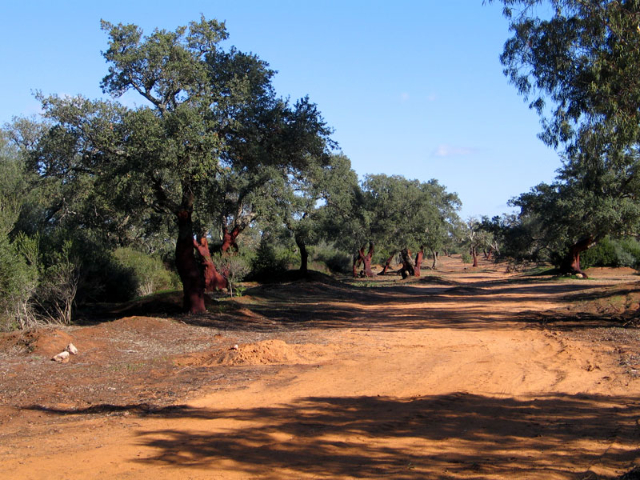
Despite the fact that the Bosco di Santo Pietro is a victim of progressive degradation caused by arson, overgrazing, oil exploration, neglect and administrative impotence, it still represents the largest relict of mixed cork and ilex forest in south-central Sicily. It preserves fragments of poignant beauty, evoking the charm of the ancient gallery forests of the Mediterranean scrub.Donated to the people of Caltagirone in the 12th century by Count Roger, known as the Norman, the Bosco di Santo Pietro was for a long time a great source of wealth for the city. It was an immense natural and economic capital, which, for example, enabled Caltagirone to independently rebuild the main public monuments after the disastrous earthquake of 1693. Up to 15,000 "carts" of precious cork bark were obtained from a single tree, mainly for the production of corks, in numerous factories scattered throughout the city. This is not counting pastures, rents, honey, timber and coal sales. Citizens were able to supplement their modest incomes through civic rights such as collecting ash, cutting wood, gathering mushrooms, grass, and hunting rights.Today, unfortunately, the Bosco di Santo Pietro is only a pale reminder of itself, nestled in an area classified as arid and desert, with an elevation ranging from 400 meters in contrada Corvacchio to 50 meters near the ancient Terrana Abbey, once the property of the Bishop of Bethlem. However, its historical and cultural value is still rooted in popular sentiment, and its scientific-naturalistic value remains remarkable for the biodiversity index that still endures and is preserved. More than 400 plant species, some of them rare, about 100 species of growing birds and mammals such as marten, porcupine and wild cat. In addition, reptiles such as Testudo hermanni, Biacco, Leopard Coluber and viper can be found, not to mention the legendary Culovia.In 2000, St. Peter's Forest finally became an Oriented Nature Reserve, but after only five years of autonomy, due to a bureaucratic error that prevented the publication of the establishment decree, the reserve was swallowed up by bureaucracy. Over the past decade, the forest has continued to lose substantial parts to fires, with about 800 hectares burned in 2018 and another 20 hectares in July 2020.Despite this, the Saint Peter's Forest could still tell many stories and offer many activities if we could wrest it from degradation in some areas, enhancing the wonderful nature trails and resources in the area, such as the Experimental Graniculture Station, the military airstrip, and the various military bunkers that bear witness to World War II.
Saint Peter's Forest - Bosco di Santo Pietro | Secret World Trip Planner
🗺 AI Trip Planner

Plan your visit to Bosco di Santo Pietro

Suggested itinerary near Saint Peter's Forest

MAJ+
500.000+ travelers worldwide
  1. 🌅
    Morning
    Saint Peter's Forest
    📍 Bosco di Santo Pietro
  2. ☀️
    Afternoon
    Caltagirone and the culture of ceramic
    📍 16.2 km · Bosco di Santo Pietro
  3. 🌆
    Evening
    Regional Archaeological Museum of Gela
    📍 18.8 km · Bosco di Santo Pietro

Buy Unique Travel Experiences

Powered by Viator

See more on Viator.com

Explore nearby · Bosco di Santo Pietro

Frequently Asked Questions

Bosco di Santo Pietro is the largest remaining mixed cork and ilex forest in south-central Sicily, donated to Caltagirone by Norman Count Roger in the 12th century. For centuries it was a major source of wealth for the city, with up to 15,000 carts of cork bark harvested from single trees, enabling Caltagirone to rebuild its monuments after the devastating 1693 earthquake.
The forest is home to over 400 plant species, approximately 100 bird species, and mammals including martens, porcupines, and wild cats. You may also encounter reptiles such as Hermann's tortoise and various snake species in this biodiverse nature reserve with a remarkable biodiversity index.
While the forest has suffered from arson, overgrazing, oil exploration, and neglect, it became an Oriented Nature Reserve in 2000 and remains scientifically valuable. Though only a pale reminder of its former glory, the forest still preserves fragments of beauty evoking ancient Mediterranean gallery forests and maintains significant historical and cultural value to the local community.
Beyond cork production for factories throughout Caltagirone, the forest provided multiple income sources including pasture land, timber, coal, honey, and mushroom gathering. Citizens enjoyed civic rights to collect ash, cut wood, hunt, and gather grass, allowing them to supplement modest incomes from this natural economic capital.
Located near Caltagirone in south-central Sicily, the forest sits in an arid desert-classified area with elevation ranging from 400 meters in contrada Corvacchio to 50 meters near the historic Terrana Abbey, which was once owned by the Bishop of Bethlem. This variation in elevation creates diverse microhabitats within the reserve.
