


Salar de Uyuni (Salar de Tunupa), often referred to as the world’s largest salt flat, is a breathtaking expanse located in the Potosí region of Bolivia. Covering an astonishing 10,582 square kilometers, this ethereal landscape resembles a giant mirror, reflecting the sky above and creating an otherworldly experience for visitors.

History and Origins The Salar was formed from ancient prehistoric lakes, most notably Lake Minchin, which existed over 30,000 years ago. As these lakes dried up, they left behind the salt flats we see today. The indigenous Uru and Aymara peoples have inhabited this region for thousands of years, utilizing the salt for their daily needs. In the 19th century, the salt flat became crucial for the burgeoning lithium industry, which has only gained momentum in recent years due to the global rise in electric vehicles and renewable energy technologies.
Art and Architecture While the salt flat itself is a natural masterpiece, the surrounding area boasts unique human-made structures. The salt hotels, crafted entirely from salt blocks, are a remarkable fusion of local artistry and practicality. The most famous among these is the Salt Hotel Playa Blanca, which offers visitors a truly immersive experience. Additionally, the Chullpas, ancient funerary towers built by pre-Columbian cultures, dot the landscape around the Salar and stand as a testament to the area’s rich history. Artists like Gonzalo Vaca Guzmán also find inspiration here, creating stunning works that encapsulate the stark beauty of the salt flats.
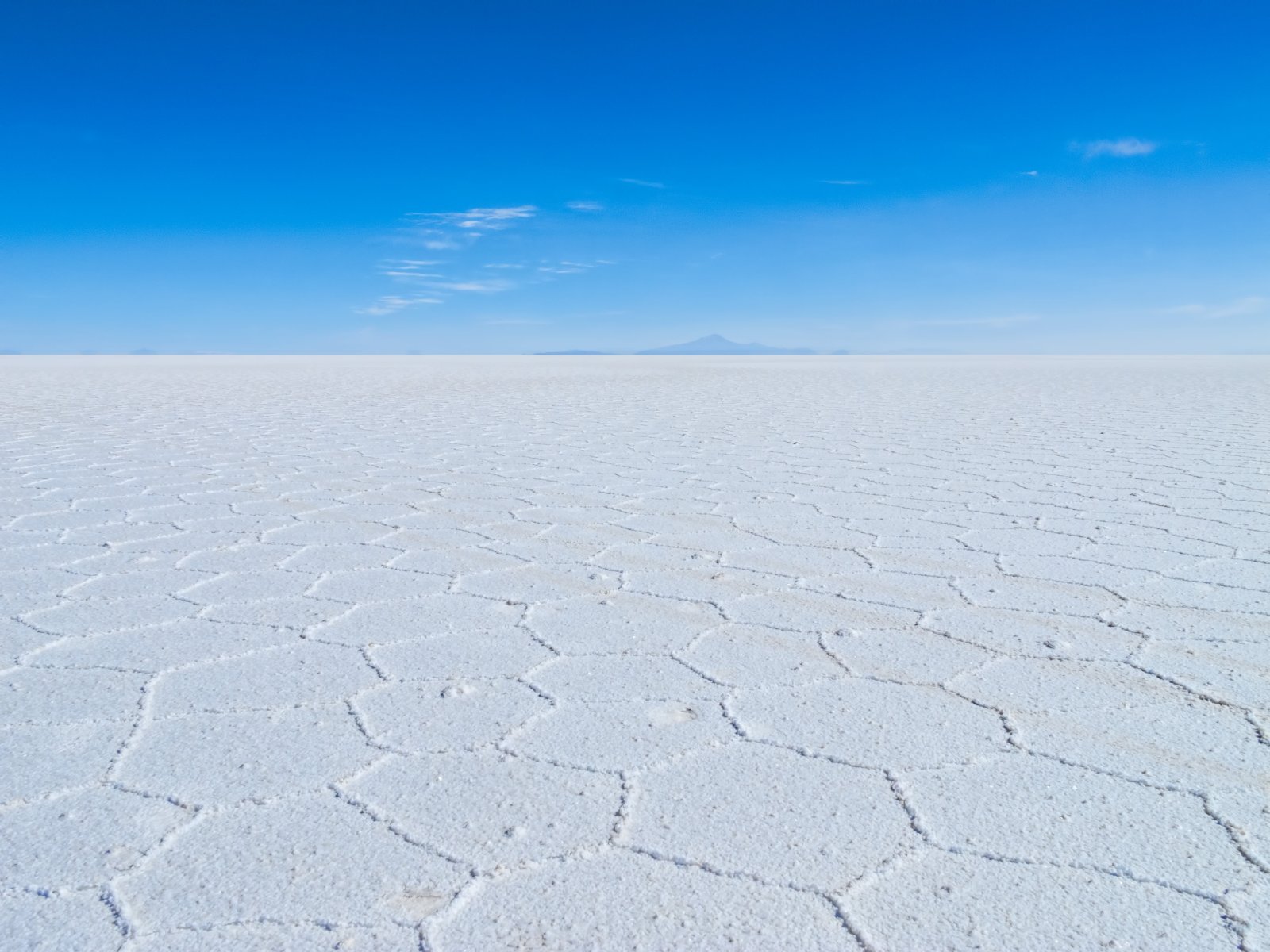
Local Culture and Traditions Culturally, the Salar de Uyuni is integral to the identity of the local communities. The annual Festival of the Salar, celebrated every February, honors the Pachamama (Mother Earth) with traditional music, dance, and offerings. This festival not only showcases the vibrant culture of the Aymara but also strengthens community bonds and promotes the region's traditions. The Llama Festival, another local event, highlights the importance of these animals in local culture and economy.
Gastronomy The culinary offerings around Salar de Uyuni reflect the harsh yet vibrant life of the altiplano. Local specialties include salteñas, a savory pastry filled with meat and spices, and api, a warm drink made from corn. Don't miss the chance to try quinoa, a grain native to the Andes that has been cultivated for thousands of years. Pair your meal with pisco, a potent grape brandy, or Chicha, a traditional fermented beverage made from corn that carries deep cultural significance.
Lesser-known Curiosities Most tourists flock to the Salar for the stunning landscapes, but there are hidden gems that often go unnoticed. One of these is the Train Graveyard in Colchani, where old locomotives rusting in the sun tell stories of Bolivia's past railway endeavors. Moreover, the Salar is home to unique wildlife, including the Andean flamingo, whose vibrant colors contrast starkly against the blinding white salt crust. During the rainy season (December to April), the flat transforms into a vast mirror, creating breathtaking reflections of clouds and mountains that are truly a photographer's dream.
Practical Visitor Information The best time to visit Salar de Uyuni is during the dry season from May to November when the weather is stable and clear skies enhance visibility. Adventurers should consider a tour to explore the Salar and its surrounding attractions. Look for local guides who can provide insight into the area’s rich history and culture. Ensure you acclimatize to the high altitude; drinking plenty of water and avoiding strenuous activities during the first day can help mitigate altitude sickness.
Whether you're standing on the salt flat's vast expanse with nothing but the sky above or delving into the vibrant culture of the local communities, Salar de Uyuni is an unforgettable destination. For a personalized itinerary that captures the essence of this extraordinary place, consider using the Secret World app to plan your journey.
