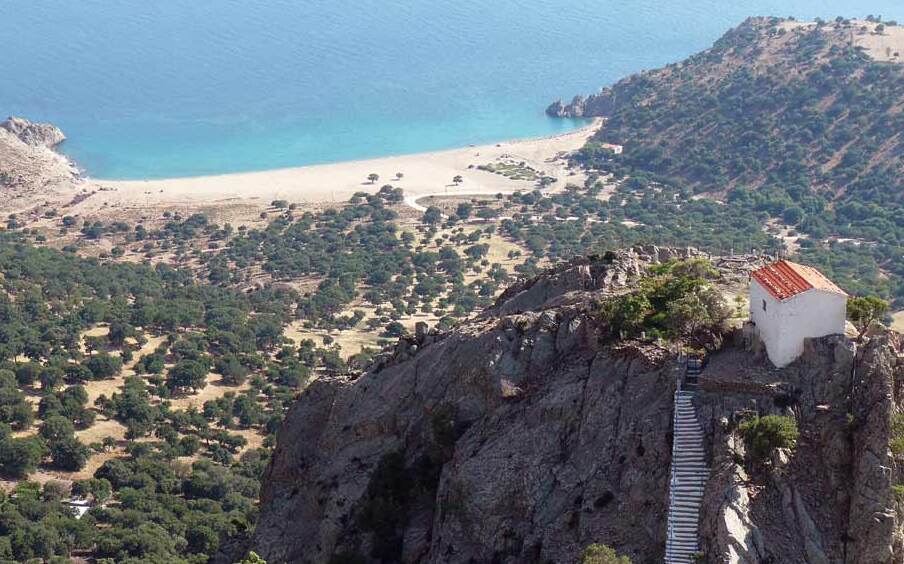

As you approach Samothrace Island by ferry, the sight that greets you is nothing short of enchanting—a clump of clouds hovering over Mount Fenegari, surrounded by the deep blue hues of the Aegean Sea. This rugged island, often overlooked by travelers, is a treasure trove of natural beauty and ancient history, making it an ideal destination for those seeking an immersive experience in the wild heart of Greece.
### History and Origins
The history of Samothrace is rich and layered, dating back to ancient times. According to historical accounts, the island was initially inhabited by Thracians before being assimilated by Greek colonists around the 8th century BC. It later came under Roman rule and became a significant cultural and religious hub. The island is perhaps best known for the discovery of the Nike of Samothrace, a stunning Hellenistic sculpture that represents the goddess of victory. Found in 1863 by French archaeologists, this masterpiece is now displayed in the Louvre Museum in Paris, symbolizing the artistic prowess of the ancient world.
The island's most notable historical site is the Sanctuary of the Great Gods, an ancient religious complex believed to have been a place of initiation for the mysteries of the cult dedicated to the Great Gods. This cult attracted followers from all over the Mediterranean, including notable figures like Philip II of Macedon and Alexander the Great, who sought spiritual enlightenment and protection.
### Art and Architecture
The architectural landscape of Samothrace is a testament to its historical significance. The Sanctuary of the Great Gods features a blend of Hellenistic and Roman styles, with ruins that include altars, temples, and sacred pathways. Visitors can wander through the remnants of the Hieron, the central temple, where they might still feel the echoes of ancient rituals.
Artistic significance extends beyond architecture to include intricate stone carvings and votive offerings found throughout the sanctuary. These artifacts offer a glimpse into the spiritual life of the island's ancient inhabitants and highlight the importance of mythology in their daily existence.
### Local Culture and Traditions
Today, Samothrace retains a unique cultural identity shaped by its history and geography. The island is known for its traditional music, with local instruments like the lyre and lute often played during community celebrations. Festivals such as the Feast of the Great Gods celebrate the island's ancient heritage, blending religious observance with modern Greek customs. Visitors can experience local dances and music, immersing themselves in the island's vibrant cultural tapestry.
Fishing remains a vital part of daily life, with locals engaging in traditional fishing practices passed down through generations. The island's inhabitants are known for their hospitality, often inviting visitors to partake in their customs, including the preparation of local dishes.
### Gastronomy
The culinary scene on Samothrace is deeply intertwined with its natural resources. The island is famous for its fresh seafood, particularly octopus, which is often grilled and served with a drizzle of local olive oil and lemon. Another local specialty is kavourmas, a traditional pork dish made with spices and preserved in fat, reflecting the island's agricultural heritage.
Vegetables are also abundant, with dishes often featuring locally grown produce like tomatoes, peppers, and wild greens. The island's wines, particularly those made from indigenous grape varieties, provide the perfect accompaniment to a meal, showcasing the flavors of the region.
### Lesser-Known Curiosities
Beyond its well-trodden historical sites, Samothrace holds surprises for the intrepid traveler. The island is home to several natural springs known for their therapeutic qualities, drawing visitors seeking healing properties. Additionally, the Chora, the island's capital, is a hidden gem, characterized by its narrow streets and traditional stone houses, offering a picturesque glimpse into everyday life.
Another fascinating fact is the island’s biodiversity. Samothrace boasts a unique ecosystem, with over 1,200 plant species, some of which are endemic to the island. This rich flora supports a variety of wildlife, making it a paradise for nature lovers and hikers.
### Practical Visitor Information
The best time to visit Samothrace is during the spring and early autumn months, when the weather is mild, and the natural scenery is at its most vibrant. Accommodations range from cozy guesthouses to more upscale options, but it's advisable to book in advance, especially during peak tourist season.
Getting to Samothrace can be an adventure in itself, with limited ferry services available from the mainland. Once on the island, consider renting a car or scooter to explore its hidden treasures, from secluded beaches to hiking trails leading to stunning viewpoints.
Don’t miss the chance to sample local delicacies at family-run tavernas, where the warmth of Greek hospitality complements the delicious food.
Whether you’re wandering through ancient ruins or enjoying a meal overlooking the sea, Samothrace offers an experience that transcends the typical tourist path. This island, steeped in history and natural wonder, invites you to explore its depths.
For a personalized journey through this enchanting island, consider using the Secret World app to plan your itinerary.
