
🎄 Win a month in Italy for two — €10,000 · The Secret Italy Prize GO →
Sand Valley Archaeological Museum — Gavardo
← Back
Art, Theaters and Museums 📍 Gavardo, Italy 170 views

Sand Valley Archaeological Museum

The Archaeological Museum of the Valle Sabbia was founded in 1956 and housed in a 15th century building in the historic centre of Gavardo. The museum was founded in 1956 by the "Gruppo Grotte Gavardo" and later sold to the Municipality. The museum offers the visitor an overview o...

Photo · Teresa L.

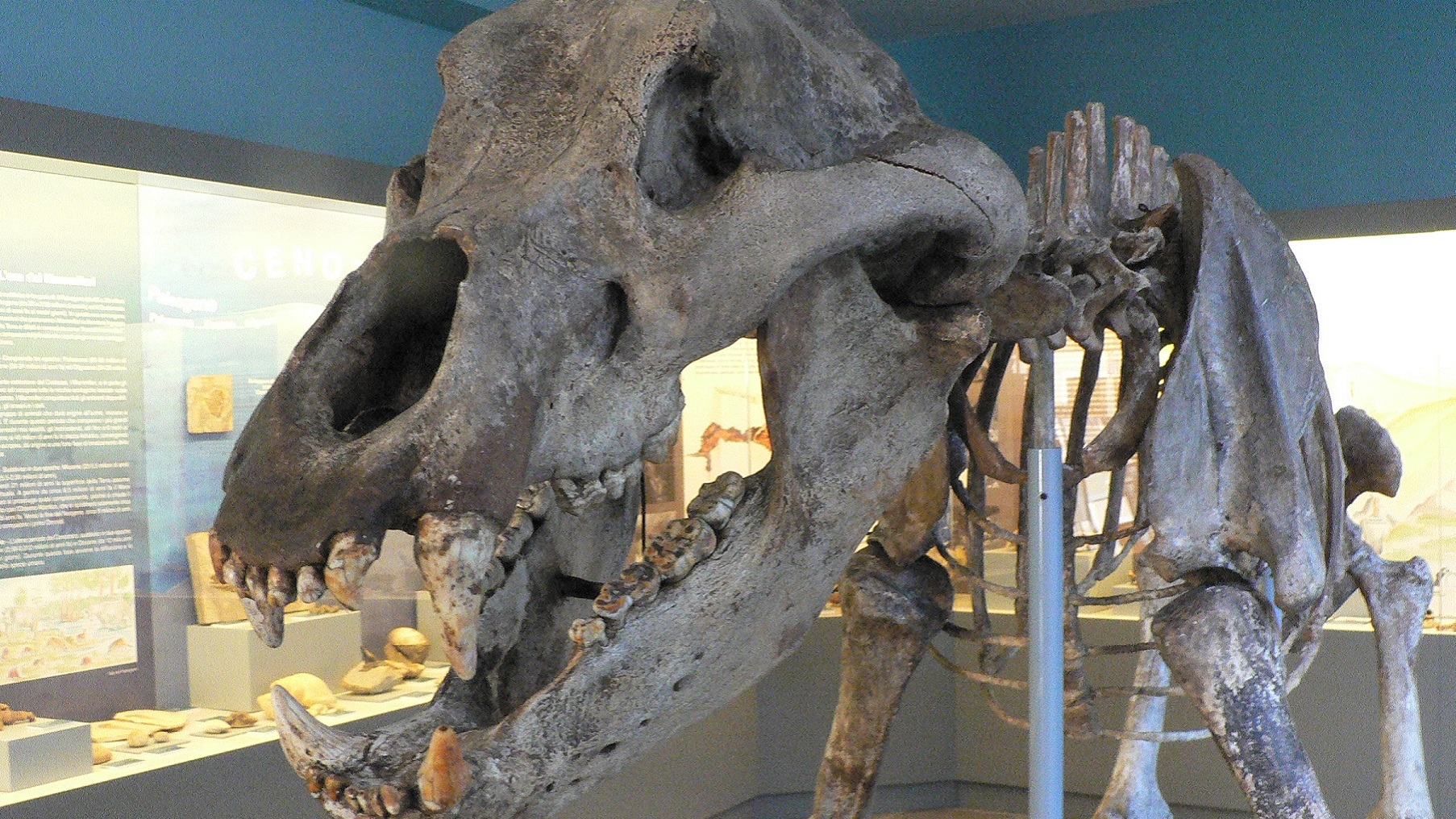
Sand Valley Archaeological Museum — Gavardo, Italy.

Location
Gavardo
Type
Art, Theaters and Museums
Opening hours
Weather now
↗ Directions

About Sand Valley Archaeological Museum

Sand Valley Archaeological Museum - Gavardo | Secret World Trip Planner

The Archaeological Museum of the Valle Sabbia was founded in 1956 and housed in a 15th century building in the historic centre of Gavardo. The museum was founded in 1956 by the "Gruppo Grotte Gavardo" and later sold to the Municipality. The museum offers the visitor an overview of the history of the Valle Sabbia and the western Gardesana area. Through its rooms you can retrace the history of man from the Middle Palaeolithic (100,000 years ago) to the post-Renaissance period. The exhibition, currently under revision, offers a selection of the findings of the territory, from the Pleistocene fauna of the Buco del Frate, with the complete skeleton of Ursus spelaeus, to the materials of the 17th century military camps of the Faita, focusing on the main contexts, such as the extraordinary complex of Monte Covolo, a settlement that lasted from the late Neolithic to the Middle Bronze Age, or the Colle San Martino di Gavardo, inhabited from the Old Bronze Age to the High Middle Ages. One room is dedicated to the lake-dwelling site of Lucone di Polpenazze, dating back to the Bronze Age, from which finds in organic material come, such as wooden sickles and linen fabrics, numerous ceramics, terracotta objects, such as the famous enigmatic tablets, in bronze and horn-bone, as well as a monossil pirogue whose cast is preserved. For the Roman age, the rich necropolis of Lugone di Salò stands out, with both cremation and burial tombs and trousseaus ranging from the 1st to the 4th AD, including the famous figurative water bottle. The new route will display complexes such as the prehistoric necropolis of Corna Nibbia di Bione and the Roman settlement of Castel Antico di Idro. The museum promotes the study and dissemination of the archaeology of the Valle Sabbia, with the organization of conferences, exhibitions and the periodic publication of its Annals. I

✦ Secret World · suggested day

A perfect day in Gavardo

Start with Sand Valley Archaeological Museum, then continue with nearby places selected by Secret World.

  1. 01
    Morning
    Sand Valley Archaeological Museum
    📍 Gavardo
    Start here
  2. 02
    Afternoon
    📍 6.2 km away
  3. 03
    Evening
    📍 7.3 km away

Collect this place

Turn places you discover into stamps in your Secret Passport.

Open Secret Passport →

Keep exploring · Gavardo

Frequently Asked Questions

The museum's oldest artifacts date back to the Middle Palaeolithic period, approximately 100,000 years ago. One of the most impressive exhibits is the complete skeleton of Ursus spelaeus (cave bear) from the Buco del Frate, representing the Pleistocene fauna of the region.
The museum is housed in a beautifully preserved 15th-century building in the historic centre of Gavardo in the Valle Sabbia region. The museum was founded in 1956 by the Gruppo Grotte Gavardo and is now managed by the Municipality, making it easily accessible to visitors exploring this area of northern Italy.
The museum features an entire room dedicated to the Bronze Age lake-dwelling site of Lucone di Polpenazze, including remarkable organic finds such as wooden sickles, linen fabrics, ceramics, and the famous enigmatic tablets. A notable highlight is the cast of a monossil pirogue (ancient wooden boat) that is preserved in the museum.
The museum showcases the rich Roman necropolis of Lugone di Salò, featuring both cremation and burial tombs with trousseaus dating from the 1st to 4th century AD. Among the most prized exhibits is the famous figurative water bottle, an exceptional example of Roman craftsmanship and artistry.
Yes, the exhibition is currently under revision and will include new displays such as the prehistoric necropolis of Corna Nibbia di Bione and the Roman settlement of Castel Antico di Idro. The museum also actively promotes archaeology through conferences, exhibitions, and the periodic publication of its scholarly Annals.

Experiences nearby · Gavardo

Powered by Viator

See more on Viator.com

Secret World Hidden places, real stories — plan your trip
Get the app
