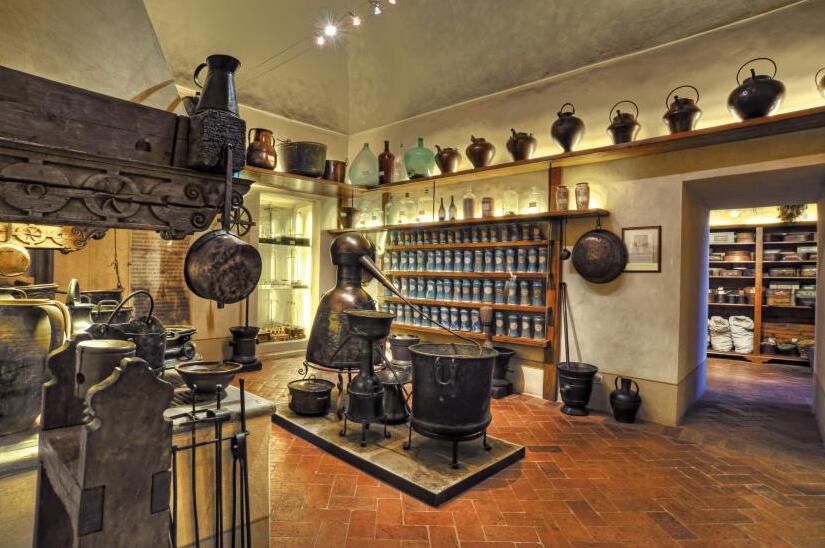

Nestled in the heart of Sansepolcro, a town steeped in history and culture, the Aboca Museum offers a unique glimpse into the relationship between herbs and health over the centuries. Housed in the prestigious Palazzo Bourbon del Monte, the museum not only showcases an impressive collection of botanical artifacts but also invites visitors to explore a new multimedia exhibition that brings the world of Aboca closer than ever.
### History and Origins Sansepolcro itself boasts a rich tapestry of history, dating back to the Roman era. Founded in the 10th century, the town was originally named after the Holy Sepulchre, reflecting its deep-rooted religious significance. Throughout the centuries, Sansepolcro flourished under various influences, notably the Florentine Republic in the Renaissance period. This era marked the rise of significant figures such as Piero della Francesca, a master painter whose works still attract art lovers today. The Aboca Museum was established in 2008 as a testament to the legacy of the Aboca Company, founded in 1978, which specializes in herbal products and natural remedies. The museum serves as a bridge between ancient traditions and modern herbalism, showcasing the evolution of health practices through the ages.
### Art and Architecture The Palazzo Bourbon del Monte, where the Aboca Museum is located, is an architectural gem that dates back to the late Renaissance period. Its façade features elegant lines and intricate stonework, characteristic of the era's architectural style. Inside, visitors are greeted by a harmonious blend of historical artifacts and contemporary design elements. The museum’s layout guides visitors through various thematic sections, each dedicated to different aspects of herbal medicine. Notable artworks, including pieces by Piero della Francesca, can be found throughout the town, enhancing the cultural experience.
### Local Culture and Traditions Sansepolcro is not only a haven for art and history but also a vibrant center of local culture. The town is famous for the Palio della Balestra, a traditional crossbow competition that has been celebrated since the 16th century. Held in September, this event attracts participants and spectators alike, showcasing the town's medieval roots and its commitment to preserving local customs. Additionally, the Feast of Sansepolcro, celebrated on the first Sunday of September, involves a procession and various cultural activities, offering visitors a taste of the town’s rich traditions.
### Gastronomy The culinary scene in Sansepolcro is a delightful exploration of Tuscany’s gastronomic heritage. Visitors should not miss trying the Pici, a handmade pasta served with various sauces, often accompanied by locally sourced meats and vegetables. The town is also known for Crostini Toscani, small slices of toasted bread topped with a chicken liver pâté, which pairs beautifully with a glass of Chianti wine. For dessert, indulge in the Cantucci, almond biscuits typically enjoyed with Vin Santo, a sweet dessert wine that completes the Tuscan dining experience.
### Lesser-known Curiosities Despite its historical significance, many tourists might overlook the intriguing fact that Sansepolcro was once the birthplace of the renowned painter Piero della Francesca, whose works include the famous frescoes in the Church of San Francesco. Additionally, the Aboca Museum features a unique collection of ancient herbarium specimens, some dating back to the 16th century, showcasing the evolution of herbal medicine. A surprising detail is that the museum also emphasizes the importance of sustainable practices in modern herbalism, reflecting a growing global trend towards environmentally friendly health solutions.
### Practical Visitor Information The best time to visit Sansepolcro is during the spring and fall months when the weather is mild and the local festivals are in full swing. To make the most of your visit to the Aboca Museum, consider booking a guided tour, which provides deeper insights into the exhibits and the historical context of the herbal practices. Don’t forget to explore the charming streets of Sansepolcro, where you can find artisan shops and local eateries that offer a true taste of Tuscany.
In conclusion, the Aboca Museum in Sansepolcro is not just a museum; it’s a journey through time, revealing the profound connection between herbs and health that has shaped cultures and traditions. For a more personalized exploration of this enchanting town, consider using the Secret World app to craft your own itinerary.
