
← Back

Sanssouci Palace | A wonder among terraced gardens and vineyards

Maulbeerallee, 14469 Potsdam, Germania ★★★★☆ 516 views
Roberta Agnelli
Potsdam
🏆 AI Trip Planner 2026

Get the free app

Discover the best of Potsdam with Secret World — the AI trip planner with 1M+ destinations. Get personalized itineraries, hidden gems and local tips. Free on iOS & Android.

🧠 AI Itineraries 🎒 Trip Toolkit 🎮 KnowWhere Game 🎧 Audio Guides 📹 Videos
Scan to download iOS / Android
Scan for AppGallery Huawei users

About Sanssouci Palace | A wonder among terraced gardens and vineyards

Sanssouci Palace | A wonder among terraced gardens and vineyards - Potsdam | Secret World Trip Planner

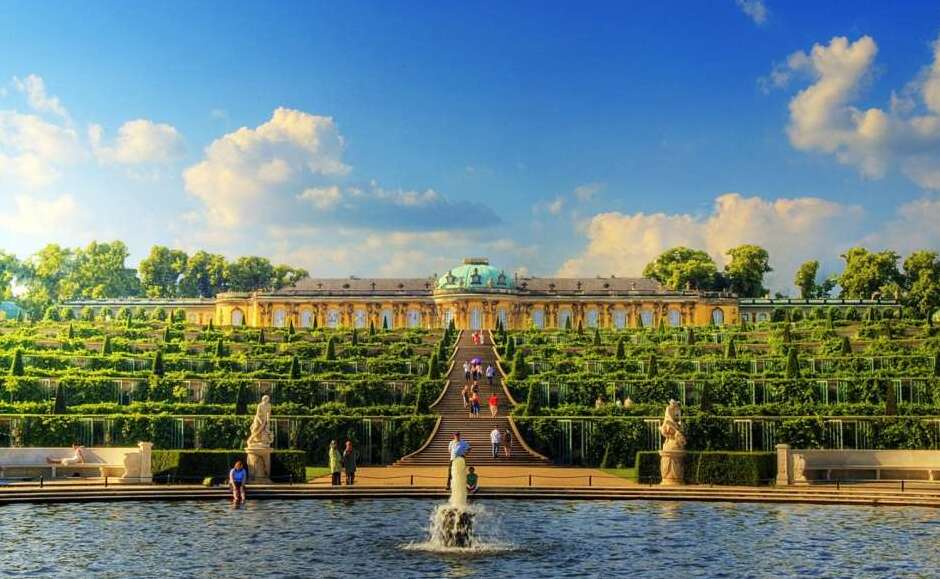
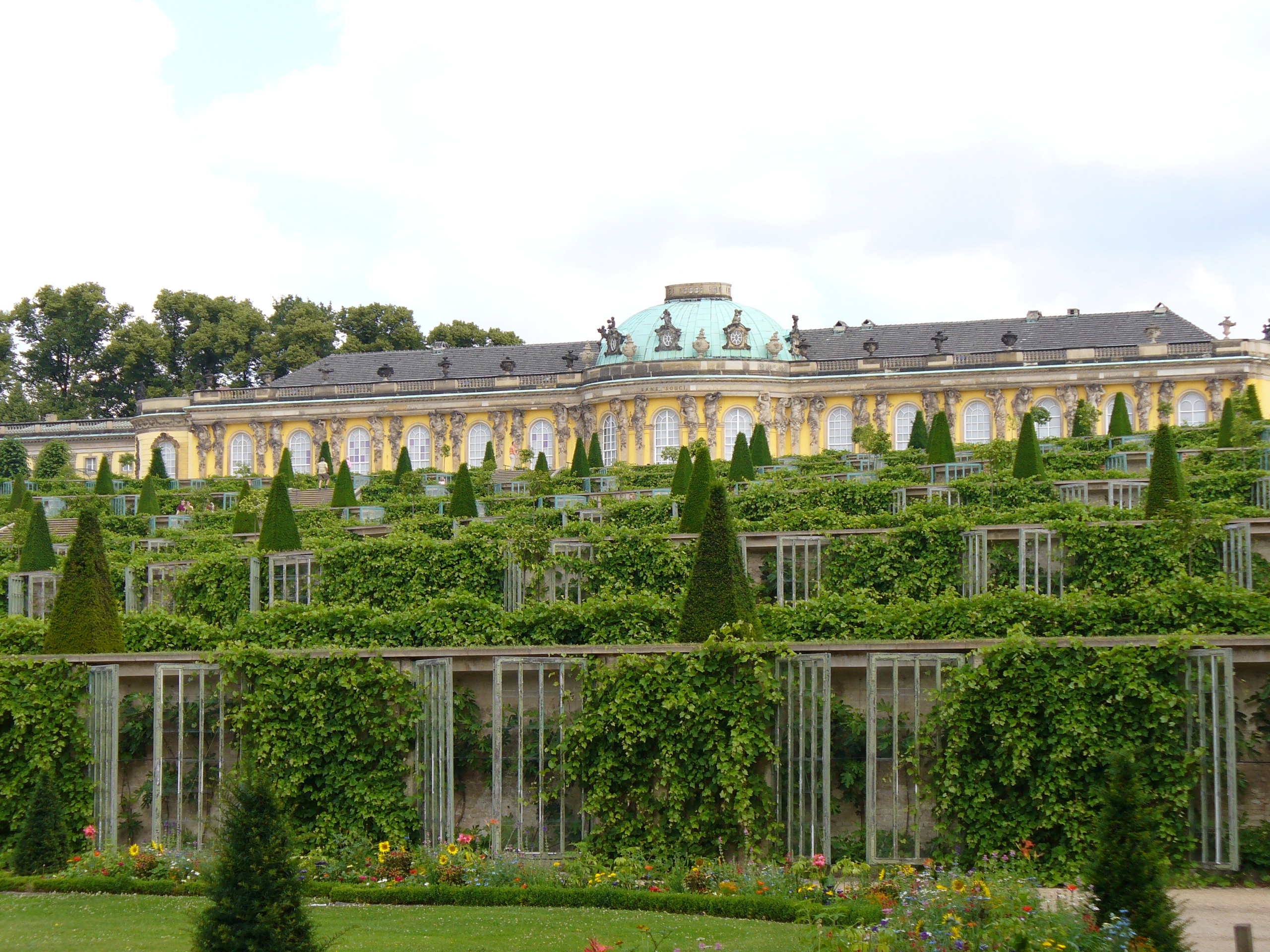
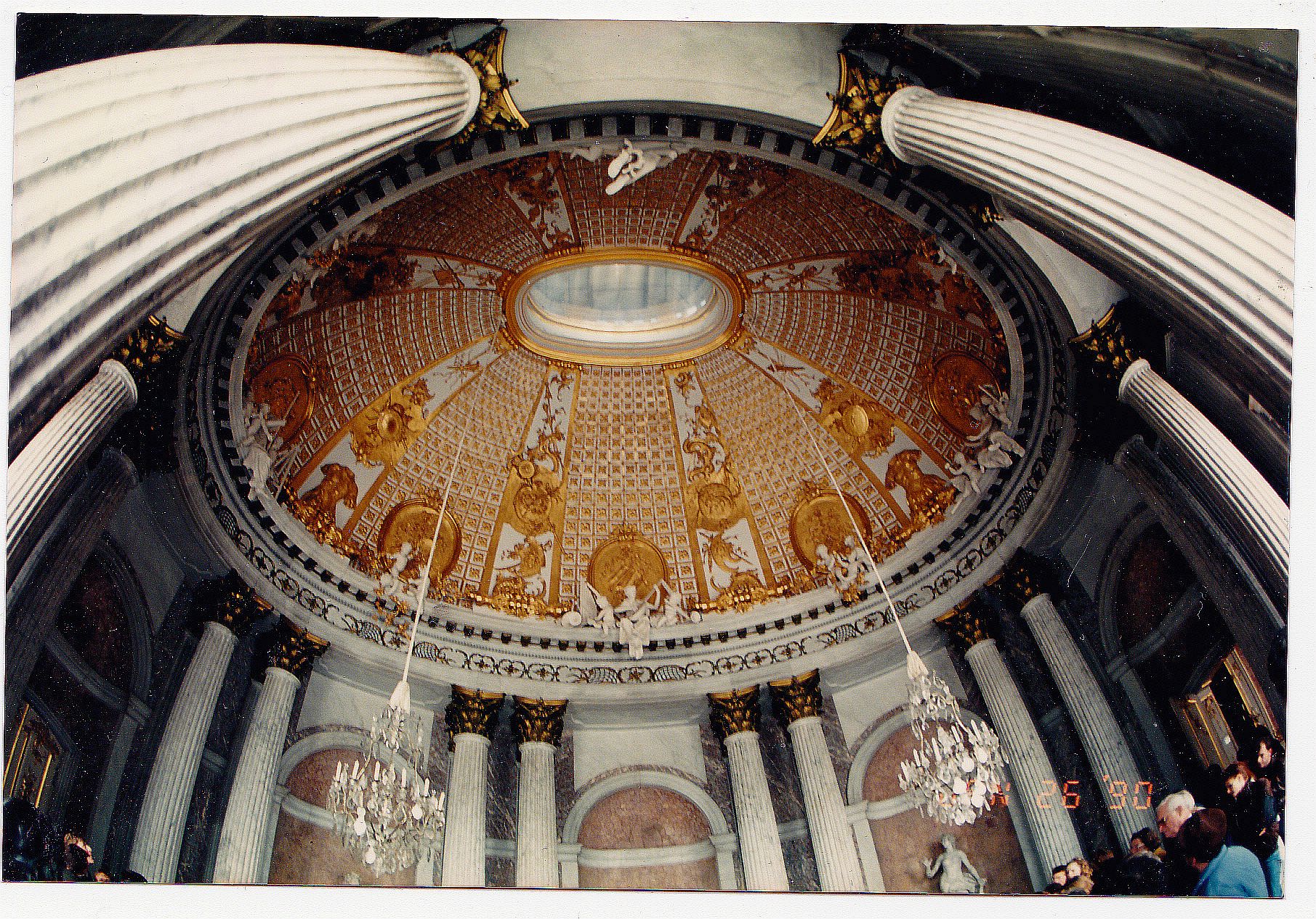
The magnificent Palazzo di Sanssouci, with its verdant gardens and terraced vineyards was the summer residence of Frederick the Great (Frederick II of Prussia). Today the palace and the estate are an ideal place to relax in the greenery just 30 minutes from the city traffic. The French name means "without worries", a haven of peace and quiet, therefore, for the Prussian king, whose last wish was to be buried here, which he was granted only after the reunification of the country. Today the site is a Unesco-protected property. The palace, built between 1745 and 1747, is known for its treasures, such as the Reception Hall with stuccoes and oriels inspired by the Pantheon of Rome; many paintings by one of Frederick the Great's favourite painters, Antoine Watteau; the Sala Voltaire, with carved motifs of birds, flowers and fruits, dedicated to the French philosopher who was often a guest of the palace. The large panoramic park is dotted with fountains, false ancient ruins and classical statues. In Sanssouci also worth a visit is the splendid Neues Palace (new palace) which was added to celebrate the end of the Seven Years' War, the reconstruction of a Dutch mill, the winter garden, which now houses an art gallery, the Drachenhaus (house of dragons) and finally the pagoda, inside which there is a cafeteria for visitors to the park.
Sanssouci Palace | A wonder among terraced gardens and vineyards - Potsdam | Secret World Trip Planner
🗺 AI Trip Planner

Plan your visit to Potsdam

Suggested itinerary near Sanssouci Palace | A wonder among terraced gardens and vineyards

MAJ+
500.000+ travelers worldwide
  1. 🌅
    Morning
    Sanssouci Palace | A wonder among terraced gardens and vineyards
    📍 Potsdam
  2. ☀️
    Afternoon
    AI Trip Planner Potsdam 2026: Revolutionizing Travel Planning
    📍 2.3 km · Potsdam
  3. 🌆
    Evening
    Hanging Rhino
    📍 2.3 km · Potsdam

Buy Unique Travel Experiences

Powered by Viator

See more on Viator.com

Explore nearby · Potsdam

Frequently Asked Questions

Sanssouci Palace is located just 30 minutes from Berlin city center, making it an ideal day trip to escape urban traffic. You can easily reach the palace by public transportation or car from the city.
Sanssouci comes from the French phrase meaning 'without worries,' reflecting Frederick the Great's vision of the palace as a peaceful haven away from the stresses of royal duties. The name perfectly captures the serene atmosphere of this summer residence.
Don't miss the stunning Reception Hall with its stuccoes and oriels inspired by Rome's Pantheon, the paintings by Frederick's favorite artist Antoine Watteau, and the ornate Sala Voltaire dedicated to French philosopher Voltaire with its intricate carvings of birds, flowers, and fruits. These rooms showcase the palace's incredible artistic treasures and architectural brilliance.
The expansive grounds feature the Neues Palace built to celebrate the end of the Seven Years' War, a reconstructed Dutch mill, a winter garden now housing an art gallery, the decorative Drachenhaus (house of dragons), and a pagoda with an on-site cafeteria. The large panoramic park is also dotted with fountains, false ancient ruins, and classical statues.
Yes, Sanssouci Palace and its estate are UNESCO-protected property, recognizing their historical and cultural significance. Frederick the Great fulfilled his final wish to be buried at this beloved summer residence, though this was only granted after the reunification of Germany.
