
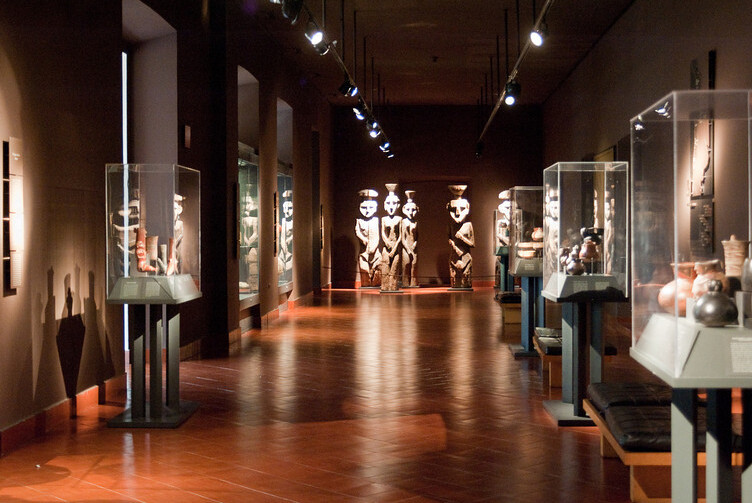

Nestled in the heart of Santiago, the Chilean Museum of Pre-Columbian Art serves as a vibrant portal to the rich tapestry of ancient civilizations that once thrived across Central and South America. This museum is more than just a collection of artifacts; it is a celebration of cultures that have shaped the continent's history, offering visitors an opportunity to connect with the artistic legacies of nearly 100 different indigenous groups.
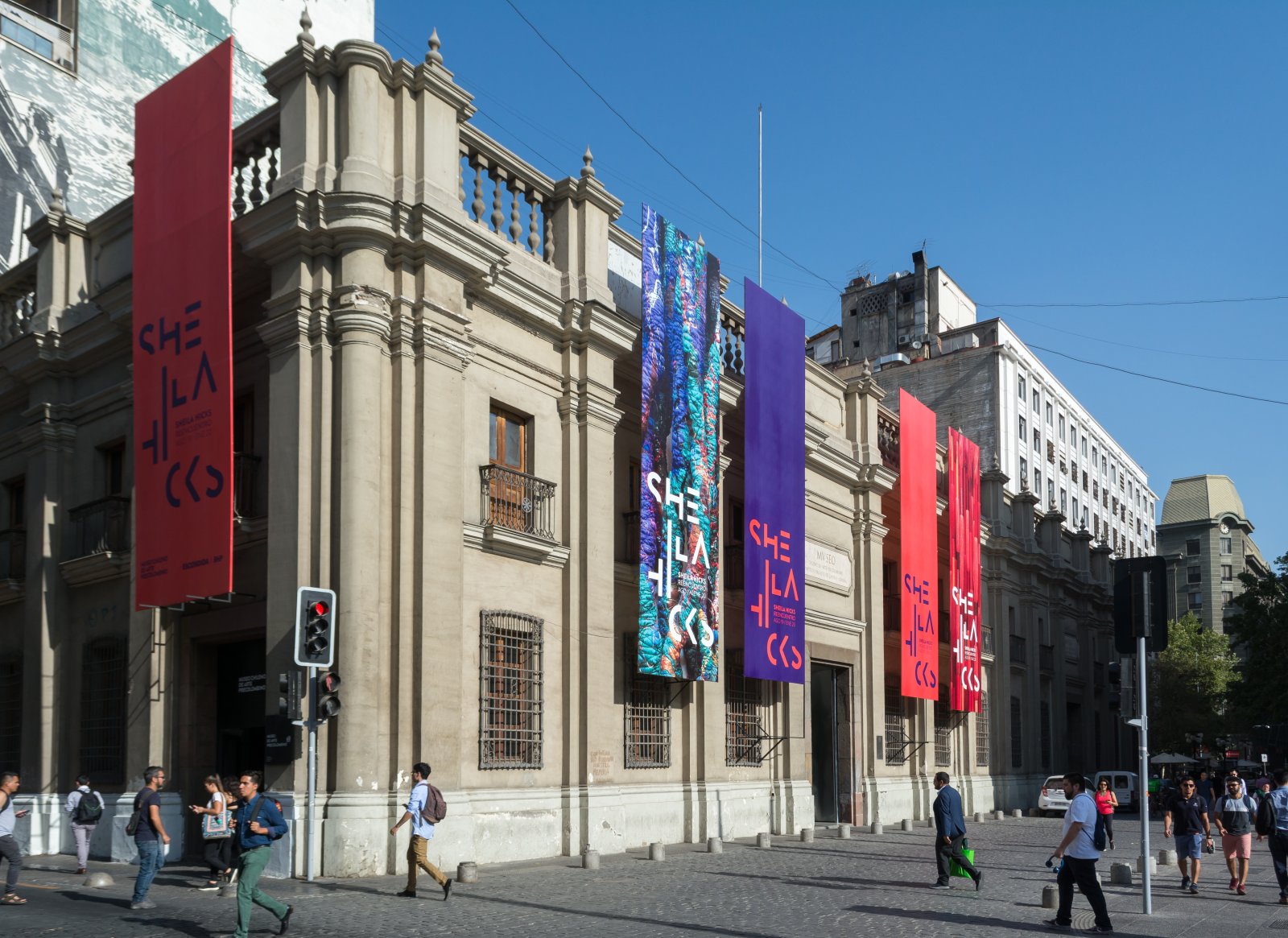
The museum's history begins with its founder, Sergio Larraín García-Moreno, a visionary Chilean architect and antiquities collector. In the late 20th century, Larraín dedicated himself to the preservation and exhibition of pre-Columbian art, culminating in the establishment of the museum in 1981. His extensive personal collection, amassed over nearly fifty years, became the foundation of the museum's impressive assemblage of over 3,000 pieces. These artifacts span a timeline of approximately 10,000 years, showcasing the evolution of artistic expression from the ancient Maya to the intricate textiles of the Andean cultures.
Architecturally, the museum is a blend of modern design and historical context. The building itself is a striking example of contemporary architecture, featuring clean lines and expansive spaces that allow for the art to breathe. The design integrates the original structure of a colonial-era building, which adds an intriguing juxtaposition of the old and the new. One of the museum's most notable features is the stunning central courtyard, which provides a serene atmosphere for reflection, surrounded by the rich narratives of pre-Columbian history.
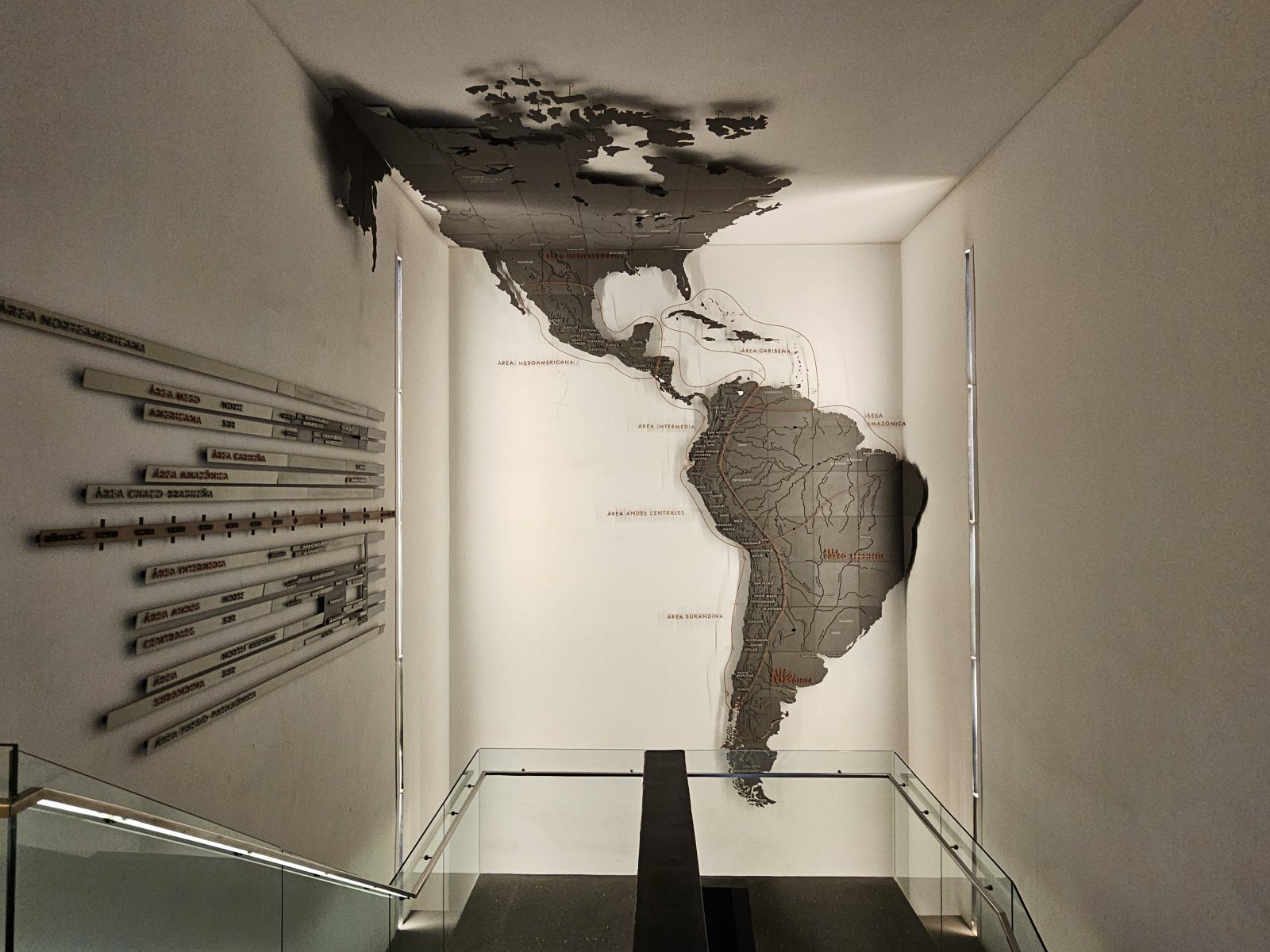
Inside, the museum's galleries are a treasure trove of artistic significance. Each piece tells a story, from the intricate Moche ceramics of northern Peru to the vibrant Nazca textiles that reveal the cultural practices of their creators. The collection also includes remarkable gold objects, stone sculptures, and ritual items that reflect the spiritual beliefs and daily life of ancient peoples. Visitors are particularly drawn to the Chavin and Inca artifacts, which represent the pinnacle of pre-Columbian artistry.
The cultural landscape of Santiago is deeply intertwined with its indigenous roots, and this is evident in local customs and traditions. Santiago hosts various festivals that celebrate its rich heritage, such as the Fiesta de la Tirana, which honors the indigenous and Spanish influences through music, dance, and vibrant costumes. Moreover, the Mapuche culture, one of the most prominent indigenous groups in Chile, plays a significant role in the city's cultural narrative, with their customs and traditions influencing contemporary Chilean society.
Gastronomy in Santiago also reflects a blend of cultures, with local dishes that echo the region's history. One must try the empanada, a pastry filled with meat, cheese, or seafood, which is a staple of Chilean cuisine. Pair it with a glass of pisco sour, a cocktail made from pisco, a local grape brandy, lemon juice, and sugar. For a taste of the traditional, seek out humitas, a dish made from corn and cheese, wrapped in corn husks and steamed, which has roots in pre-Columbian culinary practices.
Beyond the well-trodden paths, the museum harbors lesser-known curiosities that enrich the visitor experience. For instance, the museum houses a unique Maya codex that provides insights into the scribes' techniques from centuries ago, revealing how knowledge was meticulously preserved. Additionally, the museum's temporary exhibits often feature contemporary indigenous artists, bridging the gap between ancient traditions and modern expressions, thus fostering ongoing dialogue about cultural identity.
For those planning a visit, the best time to explore the Chilean Museum of Pre-Columbian Art is during the spring (September to November) or fall (March to May), when the weather is mild and the city is less crowded. To get the most out of your visit, consider joining one of the guided tours offered at the museum, which provide deeper insights into the artifacts and their historical contexts. Don’t miss the opportunity to spend time in the museum shop, where you can find books and crafts that celebrate the rich heritage of pre-Columbian cultures.
In conclusion, the Chilean Museum of Pre-Columbian Art stands as a testament to the enduring legacy of ancient civilizations and their contributions to contemporary culture. With its compelling collection, striking architecture, and rich cultural connections, it is a must-visit destination for anyone seeking to understand the profound history of Santiago and its people. To enhance your experience, consider using the Secret World app to create a personalized itinerary that captures the essence of this vibrant city.


