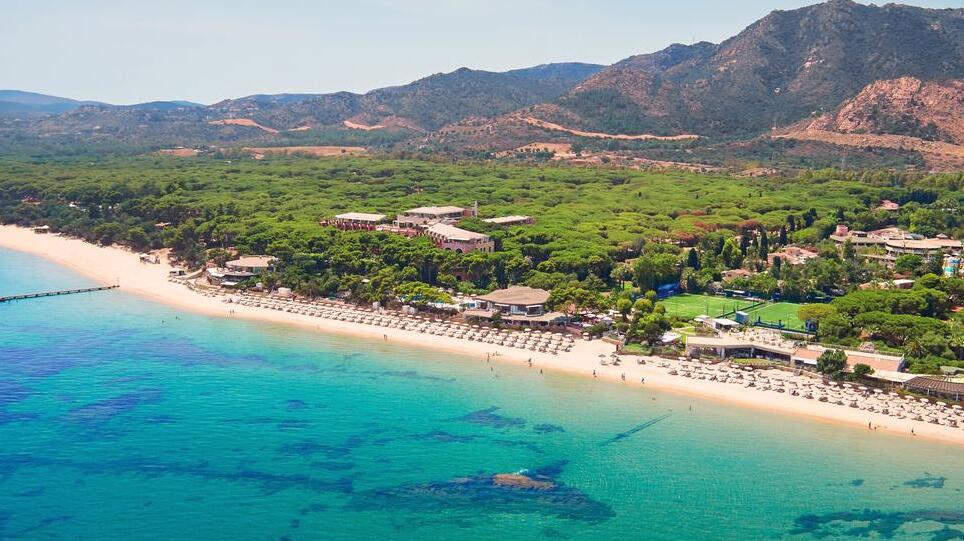

Nestled on the most southwestern tip of Sardinia, Santa Margherita di Pula enchants visitors with its stunning beaches and rich history. Just a 45-minute drive from the regional capital of Cagliari, this picturesque coastal town is renowned for its crystal-clear waters and pristine white sands, often regarded as some of the most beautiful in the Mediterranean. Unlike many bustling tourist spots, Santa Margherita di Pula retains an air of untouched beauty, making it a favorite among locals and travelers alike.
### History and Origins The history of Santa Margherita di Pula is deeply intertwined with the ancient city of Nora, situated just to the north. Nora was founded by the Phoenicians around the 9th century BC and later became a significant Roman settlement. The ruins of Nora, which include a well-preserved amphitheater and ancient mosaics, offer a fascinating glimpse into its storied past. Key events in the area include the Roman conquest, which integrated Nora into the broader Roman Empire, enhancing its importance as a trade hub.
Over the centuries, the region has undergone numerous transformations, but its charm remains. The village of Santa Margherita itself began to gain prominence in the 1960s as a tourist destination, thanks to its stunning natural surroundings and access to the coastline.
### Art and Architecture The architectural landscape of Santa Margherita di Pula is characterized by a blend of modern resort-style buildings and traditional Sardinian structures. The local architecture showcases the use of natural materials, such as local stone and wood, combined with Mediterranean influences. Notable among these is the Church of Santa Margherita, a quaint structure that embodies the simplicity and beauty of local religious architecture.
While the area may not be known for grandiose artworks, the proximity to ancient ruins like those in Nora offers a unique artistic significance, where visitors can appreciate ancient Roman artistry through stunning mosaics and columns still standing after centuries.
### Local Culture and Traditions The culture of Santa Margherita di Pula is steeped in Sardinian traditions, with a strong emphasis on community and local customs. Festivals play a vital role in the social fabric of the town, with events such as the Festa di Santa Margherita celebrated in July, featuring processions, music, and traditional dances. The festival honors the patron saint of the village and draws locals and visitors into a vibrant celebration of faith and culture.
Additionally, the traditional Sardinian lifestyle includes unique customs such as the canto a tenore, a form of polyphonic singing that has been recognized by UNESCO for its cultural significance. Visitors can often experience performances that highlight this rich musical heritage, particularly during local festivities.
### Gastronomy The culinary landscape of Santa Margherita di Pula is a delightful reflection of Sardinia's rich gastronomic traditions. Diners can indulge in local specialties such as culurgiones (stuffed pasta), porceddu (slow-roasted suckling pig), and fregola (Sardinian pasta similar to couscous). Seafood is abundant, with fresh catches like spaghetti alle vongole (spaghetti with clams) and grilled fish being staples in many local restaurants.
Accompanying these dishes, local wines such as Vermentino and Cannonau are must-tries. For those with a sweet tooth, seadas (fried pastries filled with cheese and drizzled with honey) provide a perfect ending to a meal.
### Lesser-Known Curiosities While many tourists flock to the well-known beaches, there are lesser-known gems in Santa Margherita di Pula that deserve attention. The nearby Capo Spartivento, a stunning cape, is often overlooked but offers breathtaking views and serene walking trails. Additionally, the ancient Roman ruins of Nora are not only historical treasures but also a site of fascinating legends, including tales of sea nymphs and hidden treasures.
For those willing to explore, the coastal paths offer glimpses of wildlife, including native birds and unique flora, making it a paradise for nature lovers.
### Practical Visitor Information The best time to visit Santa Margherita di Pula is during the late spring and early fall months (May to June and September to October), when the weather is pleasantly warm but the crowds are thinner. Visitors should pack sunscreen, swim gear, and comfortable walking shoes to fully enjoy the beaches and explore the nearby ruins.
For a truly enriching experience, consider taking guided tours that delve into the rich history and local culture, ensuring you don’t miss any hidden treasures.
In conclusion, Santa Margherita di Pula is not only a stunning beach destination but also a place steeped in history and culture. Whether you are lounging on the pristine sands or exploring ancient ruins, this charming Sardinian town offers an unforgettable escape.
For a personalized itinerary tailored to your interests in Santa Margherita di Pula, explore the Secret World app to plan your perfect getaway.
