
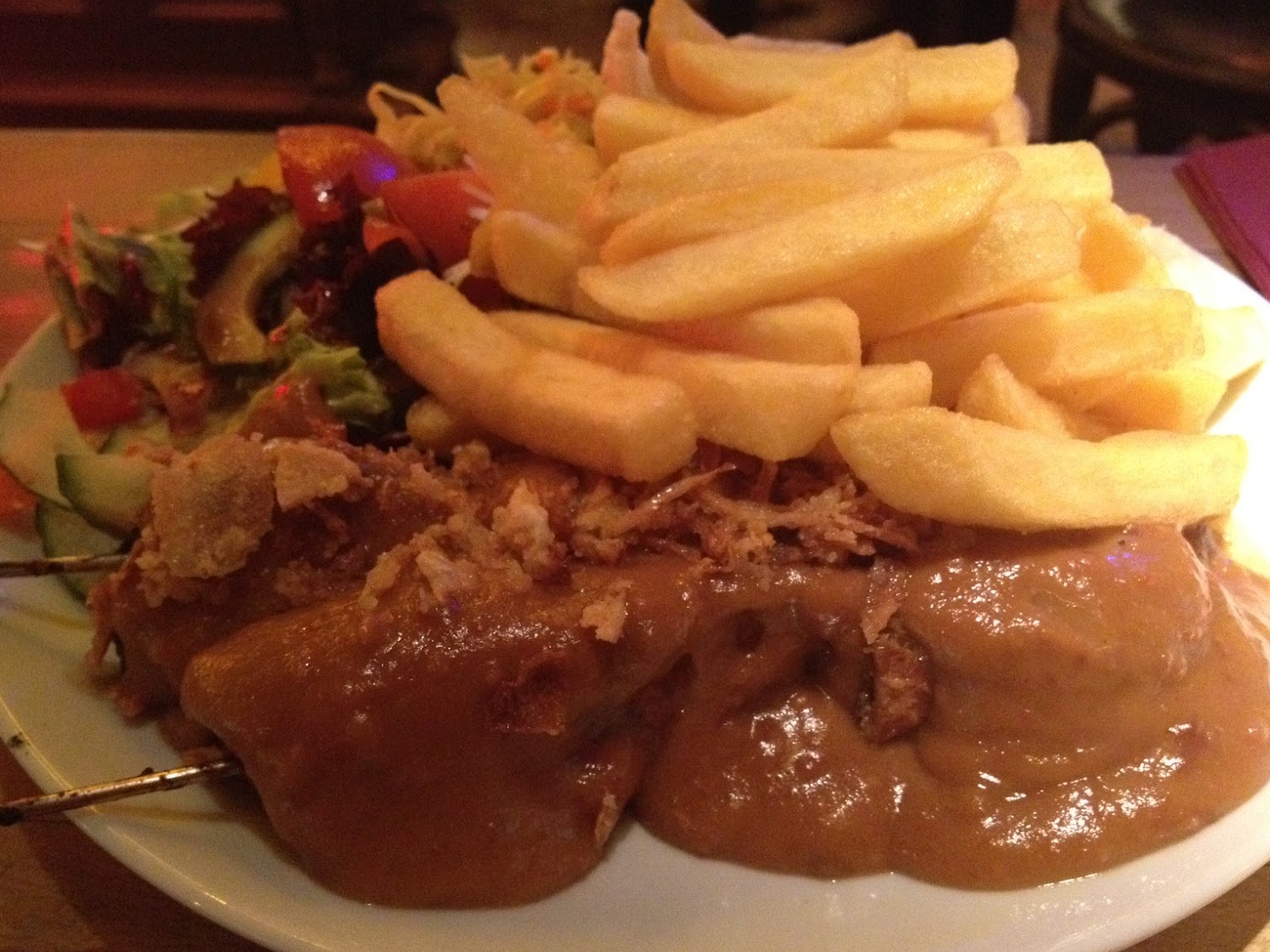

Nestled in the heart of the Netherlands, sate has woven itself into the very fabric of Dutch cuisine, evolving from its Indonesian roots into a beloved dish. Its history is as rich as its flavor, tracing back to the islands of Indonesia, where the art of skewering meat dates back centuries. Originally crafted by street vendors, sate reflects a deep culinary heritage that has transcended oceans, arriving in the Netherlands during the period of colonization in the 17th century. This exchange of cultures laid the foundation for what would become a staple meal in Dutch households, particularly in areas with significant Indonesian communities, such as Amsterdam and The Hague.
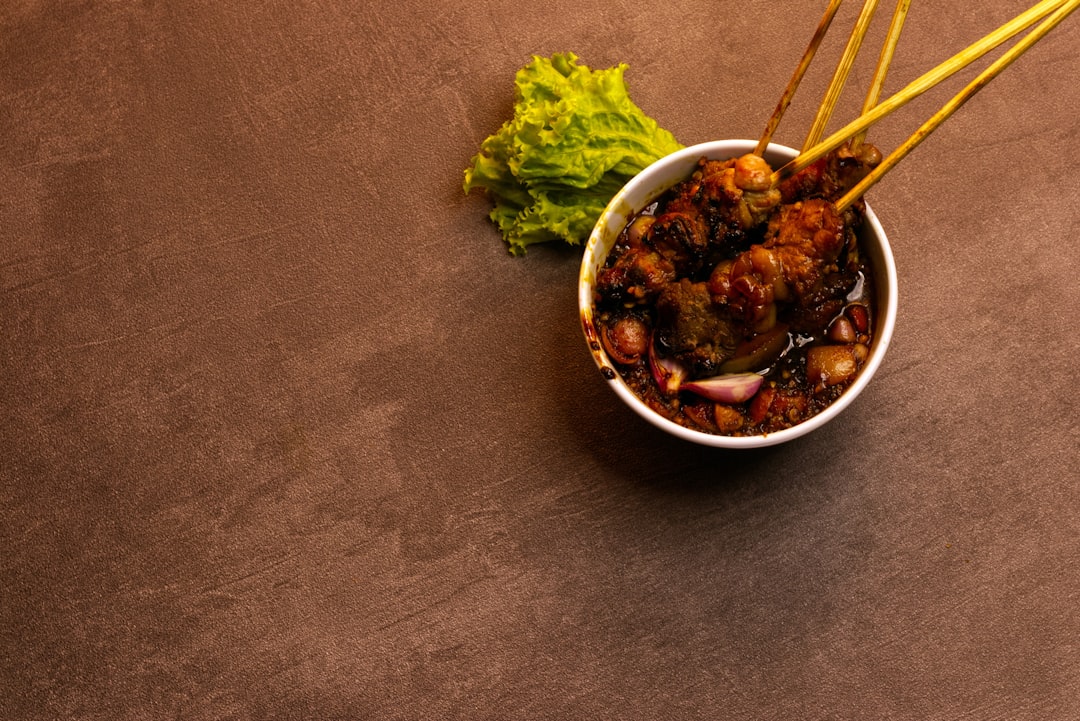
The architectural influence of Indonesia is evident in various parts of the Netherlands, particularly in the design of Indonesian restaurants that often feature traditional wooden structures and intricate carvings reminiscent of Javanese architecture. These establishments often become cultural hubs, offering not just food, but an immersive experience that celebrates Indonesian culture through decor, music, and community events. The artistic significance of these places lies in their ability to transport diners to a different world, enhancing the experience of enjoying dishes like sate.
In terms of local culture, the Indonesian community in the Netherlands hosts several festivals throughout the year, celebrating their heritage and traditions. One such event is the Indonesian Food Festival, held annually in Amsterdam, where attendees can sample a variety of traditional dishes, including sate. This celebration not only showcases the culinary delights but also serves as an opportunity for cultural exchange, allowing locals to immerse themselves in Indonesian customs, dance, and art.
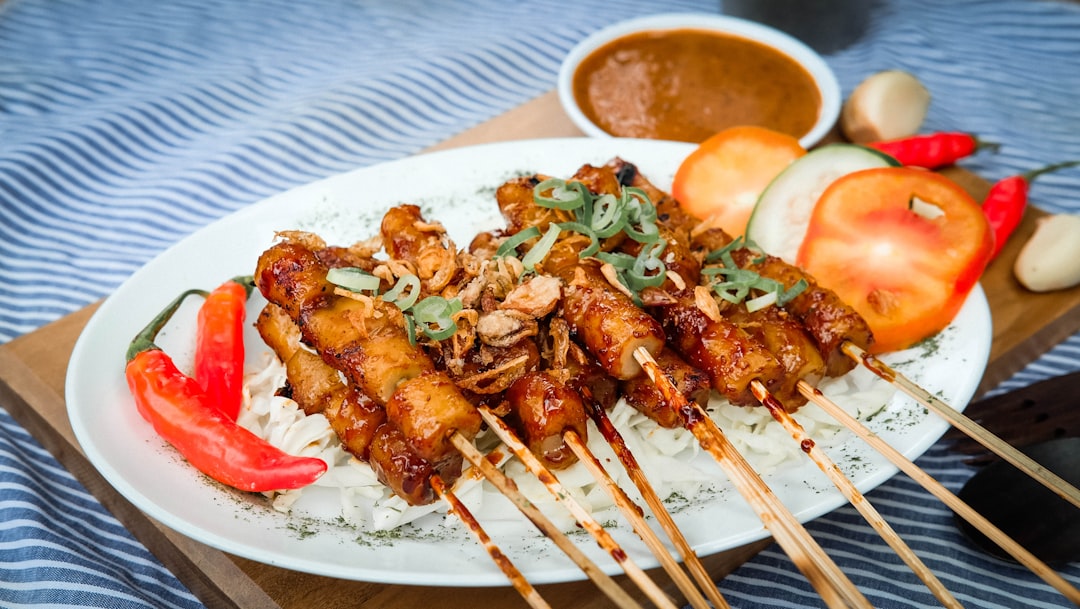
When it comes to gastronomy, sate is often accompanied by a variety of side dishes such as nasi goreng (fried rice), acar (pickled vegetables), and krupuk (crispy crackers). The peanut sauce that defines sate is a harmonious blend of ketjap manis, peanut butter, and sambal oelek, creating a balance of sweetness and heat that elevates the dish. While chicken, pork, and beef are the most common proteins used, variations can include alternatives like tofu or shrimp, catering to diverse dietary preferences.
In the realm of lesser-known curiosities, it’s fascinating to note that the term sate can refer not only to the dish itself but also to the cooking method. The word has roots in the Javanese language, where it means “to slice” or “to cut,” which speaks to the meticulous preparation that goes into creating this iconic dish. Additionally, sate is often served with a sprinkle of fried shallots on top, adding a delightful crunch and depth of flavor that many tourists overlook.
For those planning to visit the Netherlands, the best time to indulge in sate is during the late spring to early fall, when many outdoor festivals and markets feature this dish prominently. Seek out local Indonesian eateries and food stalls, particularly in cities like Amsterdam, where the vibrant culinary scene thrives. Don’t hesitate to ask for recommendations from locals; they often know hidden gems that may not appear in guidebooks. Also, consider participating in a cooking class to learn the intricacies of making your own sate, which can be a rewarding and delicious endeavor.
With its rich history, cultural significance, and delectable flavors, sate serves as a delicious reminder of Indonesia's lasting influence on Dutch cuisine. To truly appreciate the depth of this dish and the culture surrounding it, explore the streets of the Netherlands, where every bite tells a story. Use the Secret World app to craft a personalized itinerary and uncover the hidden culinary treasures of your journey.


