



The Archaeological Site of Al-Hijr (Madâin Sâlih) is a remarkable window into the ancient Nabataean civilization. Nestled in the stark beauty of northwest Saudi Arabia, this UNESCO World Heritage Site offers an incredible glimpse into a culture that thrived between the 1st century BC and the 1st century AD. Formerly known as Hegra, Al-Hijr is the largest conserved Nabataean site south of Petra in Jordan, showcasing an array of impressive monumental tombs and intricate rock-cut facades that echo the grandeur of its time. With its coordinates at 26.8040118, 37.9572703, the site is an essential destination for history enthusiasts and explorers alike.

### History and Origins
The origins of Al-Hijr date back to the Nabataean Kingdom, which flourished in the Arabian Peninsula due to its strategic location along ancient trade routes. The Nabataeans were remarkable traders and craftsmen, known for their ability to manipulate water resources in arid climates. Between the 1st century BC and the 1st century AD, Al-Hijr became a vital hub for trade, connecting the Arabian Peninsula to the Mediterranean world.
The site’s most significant historical moment came in 2008, when it was inscribed as the first UNESCO World Heritage site in Saudi Arabia, recognizing its importance as a cultural landmark. Al-Hijr is often seen as a sister site to Petra, with both locations showcasing the architectural brilliance of the Nabataeans, who carved their legacy into the rock.
### Art and Architecture
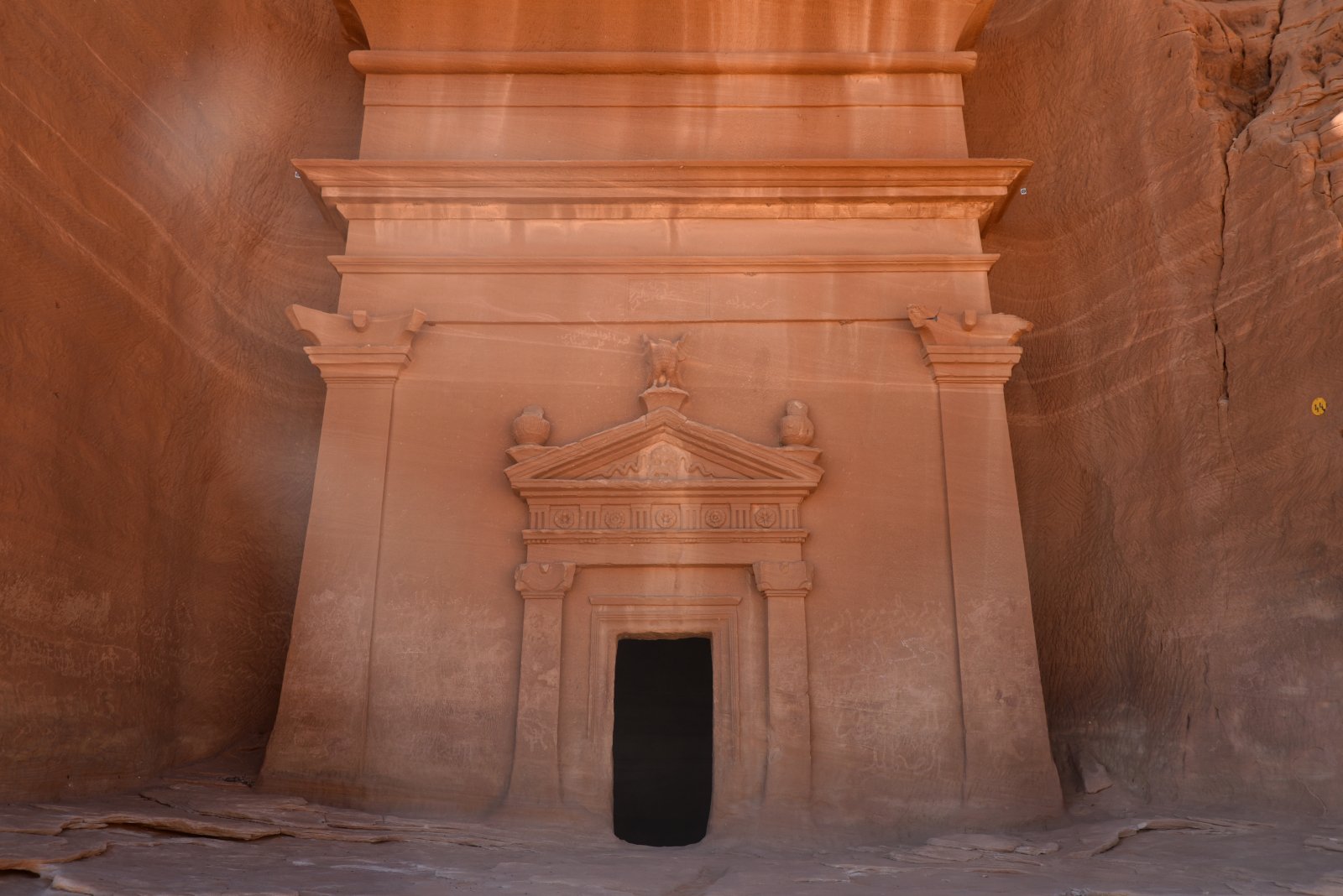
The architectural style of Al-Hijr is nothing short of awe-inspiring. The site features 111 monumental tombs, with 94 of them adorned with intricate decorative facades. These tombs, carved directly into the sandstone cliffs, exhibit a unique blend of Greek, Roman, and local architectural influences, showcasing the Nabataeans’ ability to adapt and innovate.
One of the most notable tombs is the Tomb of Lihyan son of Kuza, distinguished by its elaborate facade and the detailed carvings that depict various aspects of Nabataean life. The artistry extends beyond tombs to include water wells and cisterns, which demonstrate the advanced hydraulic engineering that allowed the civilization to thrive in an arid landscape. These features not only served practical purposes but also reflected the Nabataeans’ deep understanding of their environment.
### Local Culture and Traditions
While Al-Hijr itself is an archaeological site, the surrounding region is rich in culture and traditions that echo the history of the Nabataeans. Local customs often revolve around hospitality, a value deeply ingrained in Arab culture. For instance, traditional coffee ceremonies are a common way to welcome guests, offering a taste of the region’s rich heritage.
Festivals in Saudi Arabia, such as Eid al-Fitr and Eid al-Adha, are celebrated with great enthusiasm, emphasizing family, community, and gratitude. Visitors may witness unique local traditions during these times, including traditional dances, music, and feast preparations that showcase the vibrant culture of the region.
### Gastronomy
The culinary scene near Al-Hijr offers a delightful exploration of traditional Saudi cuisine. Visitors can indulge in dishes such as Kabsa, a fragrant rice dish often served with spiced meat, and Mandi, another rice-based dish that features marinated chicken or lamb. Dates, a staple in Saudi diets, are often enjoyed with Arabic coffee as a sweet treat.
Moreover, local street food vendors may offer samosas and falafel, providing a tasty glimpse into the region's diverse culinary influences. Dining in the area is not just about the food; it’s an experience that connects visitors to the rich cultural tapestry of the Nabataean heritage.
### Lesser-Known Curiosities
Many visitors to Al-Hijr overlook the pre-Nabataean inscriptions found throughout the site, which date back to the 4th century BC. These inscriptions provide insight into the cultures that existed before the Nabataeans and offer a deeper understanding of the region's historical significance.
Another fascinating detail is the cave drawings that can be found in the surrounding areas, depicting scenes from daily life, animals, and symbolic motifs that hint at the spiritual beliefs of ancient peoples. These lesser-known aspects of Al-Hijr add layers of intrigue to an already captivating site.
### Practical Visitor Information
The best time to visit Al-Hijr is during the cooler months, from October to April, when temperatures are more pleasant for exploring. Visitors should wear comfortable shoes for walking on uneven terrain and bring plenty of water to stay hydrated.
While at the site, take your time to explore not just the monumental tombs but also the surrounding landscape, which is dotted with striking rock formations and stunning desert vistas. Guided tours are available and can enhance your understanding of the site’s historical context.
In conclusion, Al-Hijr (Madâin Sâlih) is a treasure trove of ancient history, art, and culture that deserves a prominent place on any travel itinerary. By taking the time to delve into its rich heritage, visitors can truly appreciate the remarkable achievements of the Nabataean civilization.
For a personalized journey through this captivating site, consider using the Secret World app to craft your ideal itinerary.
