


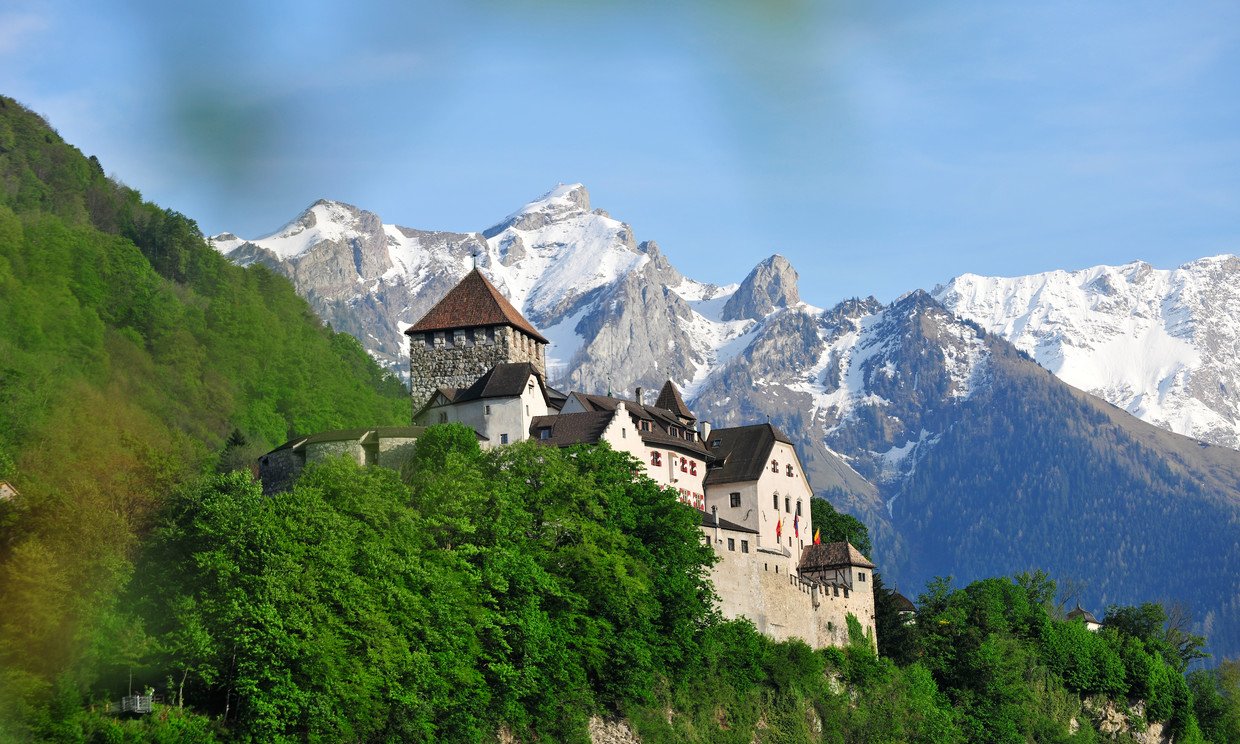
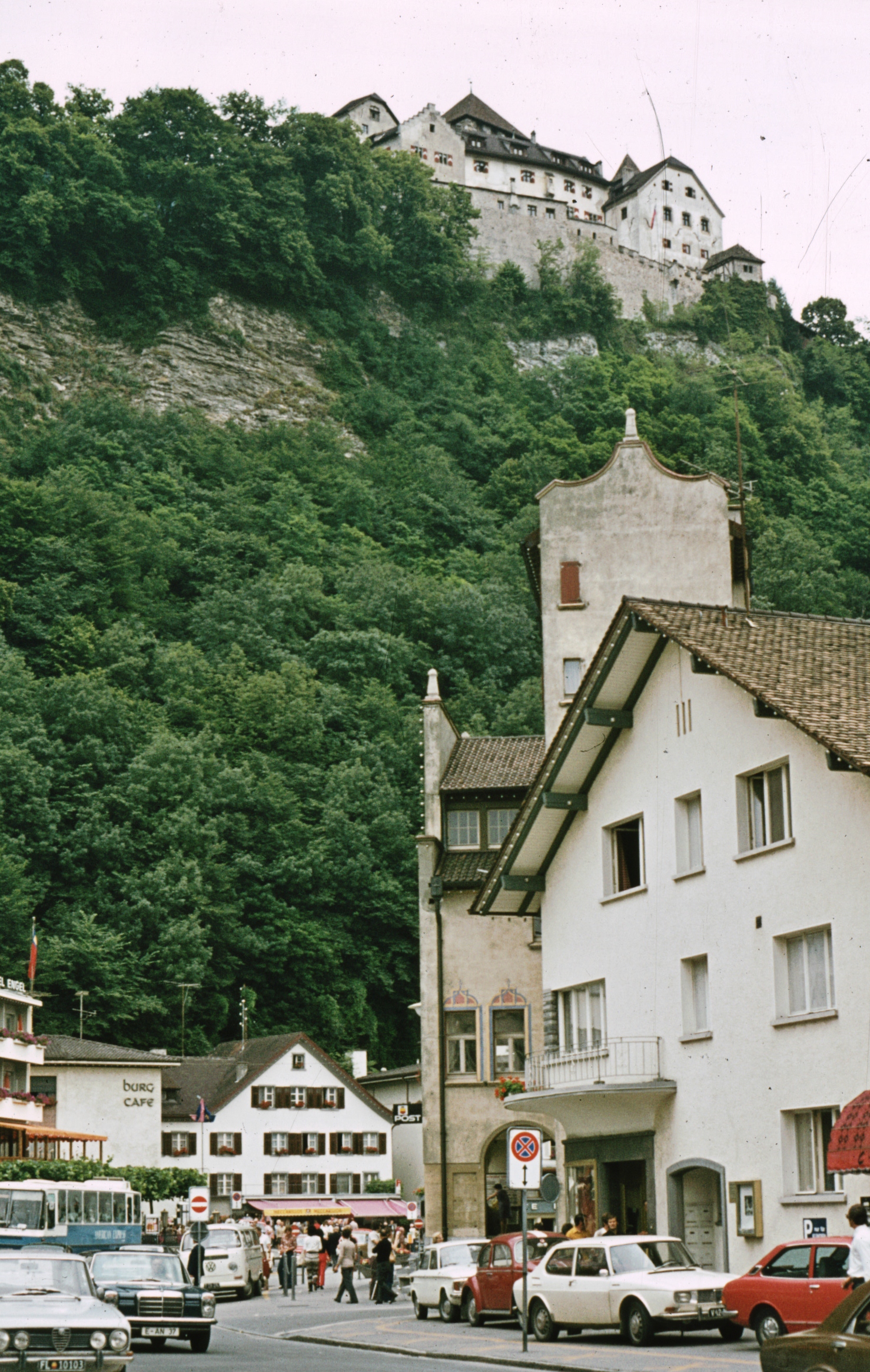
Standing majestically against the backdrop of the Rhine Valley and the rugged peaks of the Alps, Schloss Vaduz is as much a symbol of Liechtenstein’s sovereignty as it is a testament to its rich historical tapestry. This imposing castle, perched high above the capital of Vaduz, serves as the official residence of the Prince of Liechtenstein and is a beacon of cultural and architectural heritage.
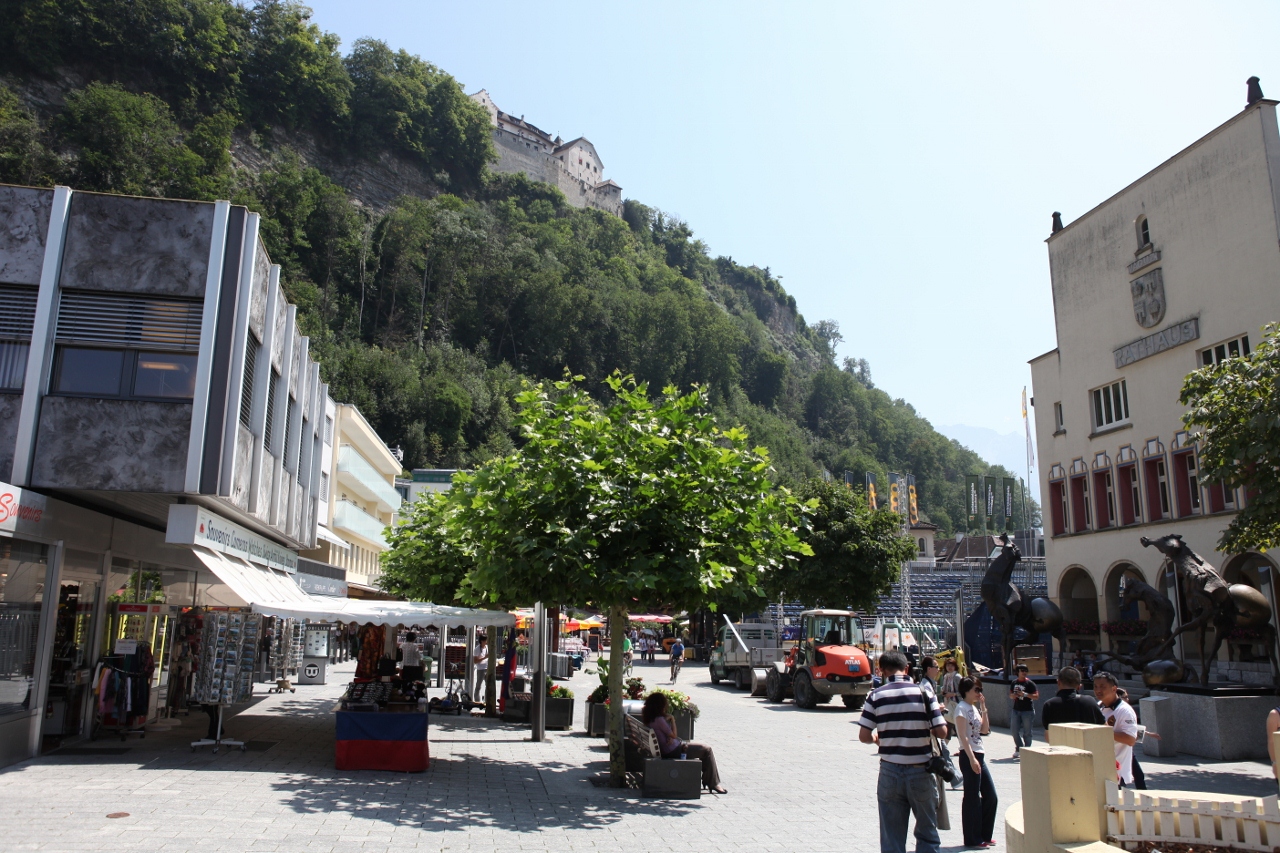
Schloss Vaduz traces its origins back to the 12th century, with its first recorded mention in 1322. Originally a fortress, it was constructed to oversee and protect the strategic trade routes that wove through the Rhine Valley. Over the centuries, it underwent numerous transformations, reflecting the tumultuous history of the region. In 1712, the castle came into the possession of the Liechtenstein family, who, through a series of strategic marriages and land acquisitions, rose to prominence. The castle was expanded in the 19th century and underwent significant restoration in the early 20th century under Prince Franz I, who infused new life into this historical edifice.
Architecturally, Schloss Vaduz is a captivating blend of medieval fortifications and Renaissance elegance. Its robust stone walls, towering turrets, and intricate gatehouse exemplify the military architecture of its time. The castle's courtyard is a serene space, echoing the quiet dignity of centuries past. Inside, while the public isn’t privy to the royal quarters, the exterior itself is adorned with detailed stonework and offers sweeping views that capture the heart of Liechtenstein's natural beauty.
The cultural tapestry of Vaduz and its castle is woven with threads of tradition and modernity. The national holiday, celebrated on August 15th, is a unique occasion when the castle grounds open to the public, offering a rare glimpse into the world of the princely family. The event is marked by grand celebrations that include a public reception hosted by the Prince, fireworks, and various cultural performances, providing a window into the vibrant local customs that define Liechtenstein’s identity.
In terms of gastronomy, the region around Vaduz offers a delectable palette that reflects its Alpine heritage. Visitors can savor traditional dishes like Käsknöpfle, a cheesy pasta dish often compared to Swiss macaroni and cheese, and Ribel, a hearty cornmeal dish. Local wines, particularly those from the Prince’s own vineyards, are a must-try. The mild, fruity whites and robust reds capture the essence of the Rhine Valley’s terroir and are a testament to the principality's burgeoning winemaking tradition.
Beyond the well-trodden paths, Schloss Vaduz holds lesser-known curiosities. For instance, the castle is said to have hidden passages, remnants of its defensive past, and legends swirl about ghostly apparitions—tales that add a shiver of intrigue to its storied halls. A lesser-known fact is that the castle is home to one of the finest art collections in Europe, although these treasures remain largely unseen by the public, housed within the private museum of the princely family.
For those planning a visit, the best time to experience Schloss Vaduz is during the late spring or early autumn. The mild weather during these months allows for leisurely exploration of the surrounding hiking trails that offer panoramic vistas of the castle and the valley below. While the castle is not open to the public, the picturesque views from the castle hill are worth the ascent. Practical tips include wearing comfortable walking shoes and bringing a camera for capturing the breathtaking views. The nearby Kunstmuseum Liechtenstein provides an excellent complement to the castle visit, offering insights into the contemporary and modern art scene.
Schloss Vaduz is more than just a historical landmark; it is a living symbol of Liechtenstein’s enduring legacy, a place where past and present converge. As the castle continues to watch over Vaduz, it invites visitors to ponder the stories etched into its ancient stones and to experience the cultural heartbeat of this charming Alpine principality.
