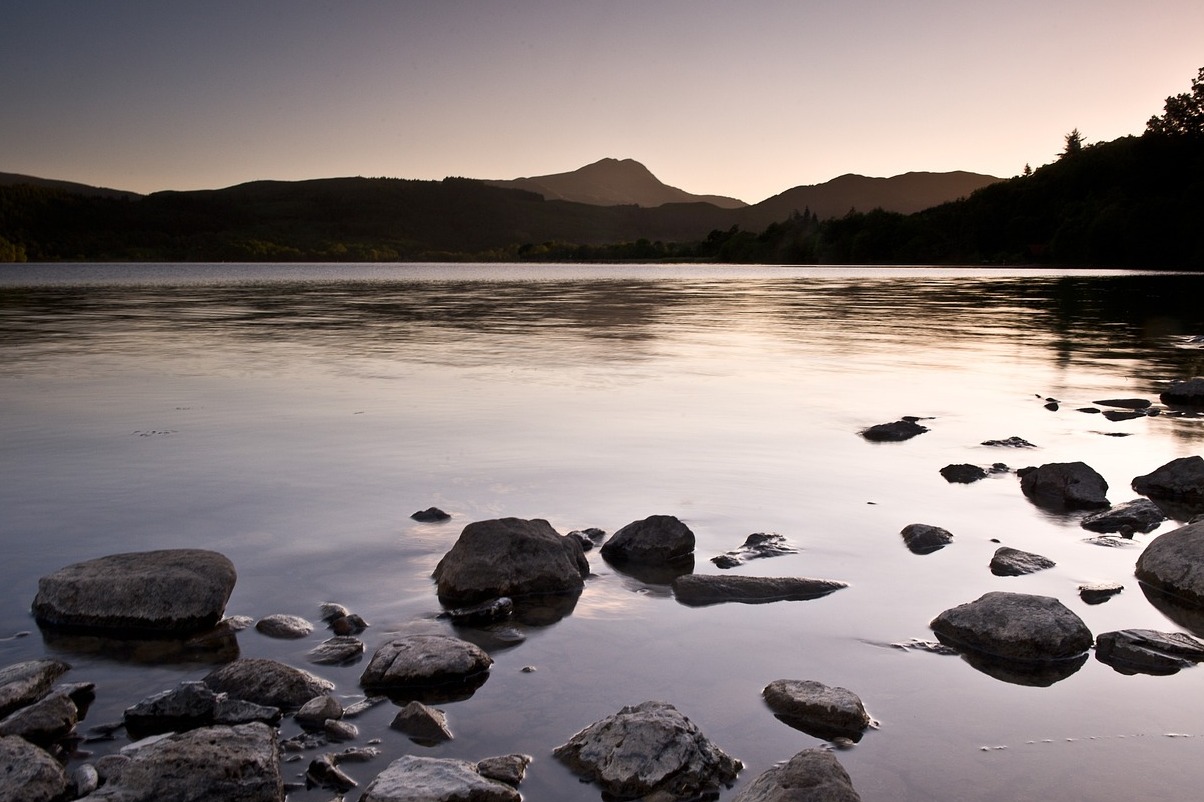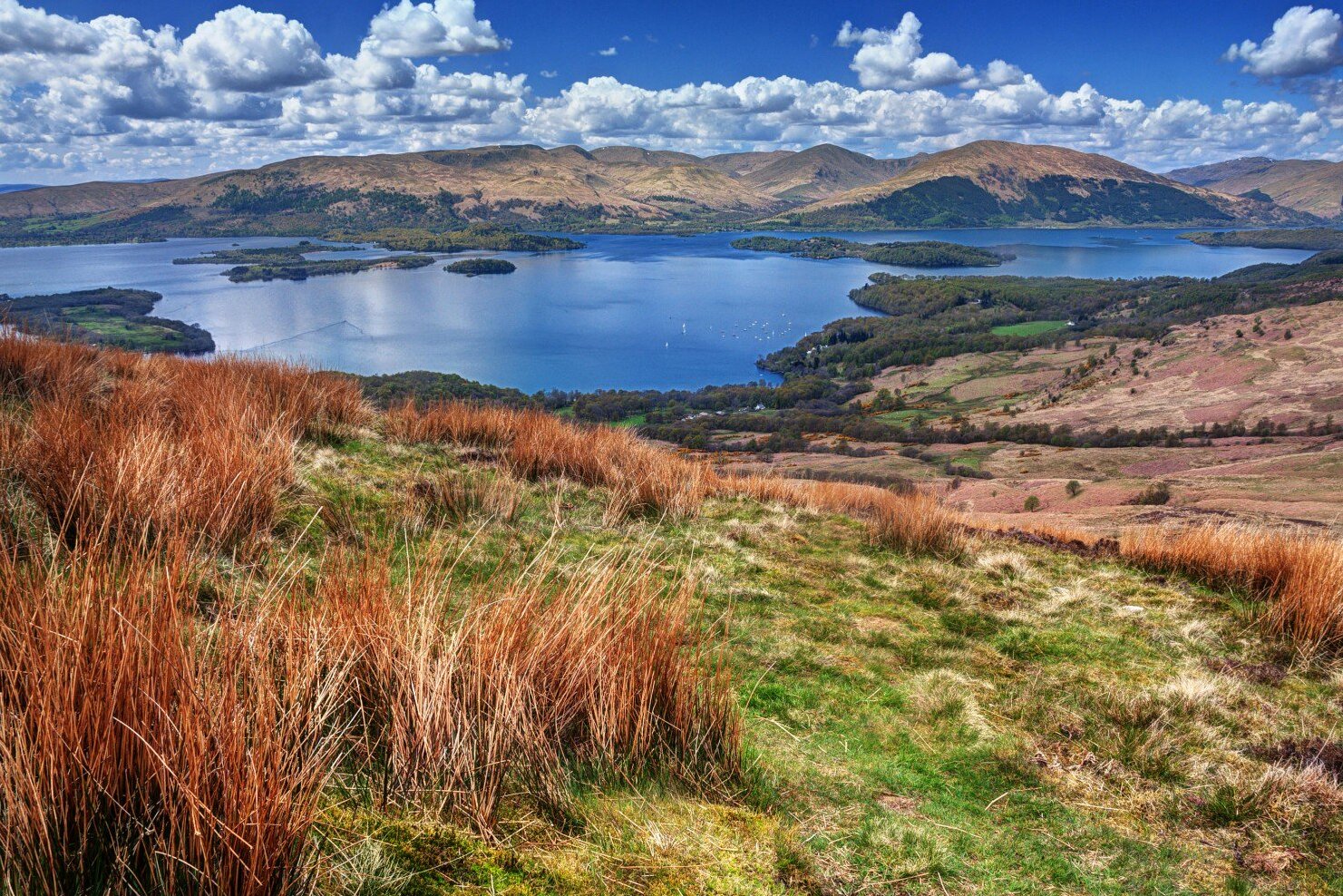

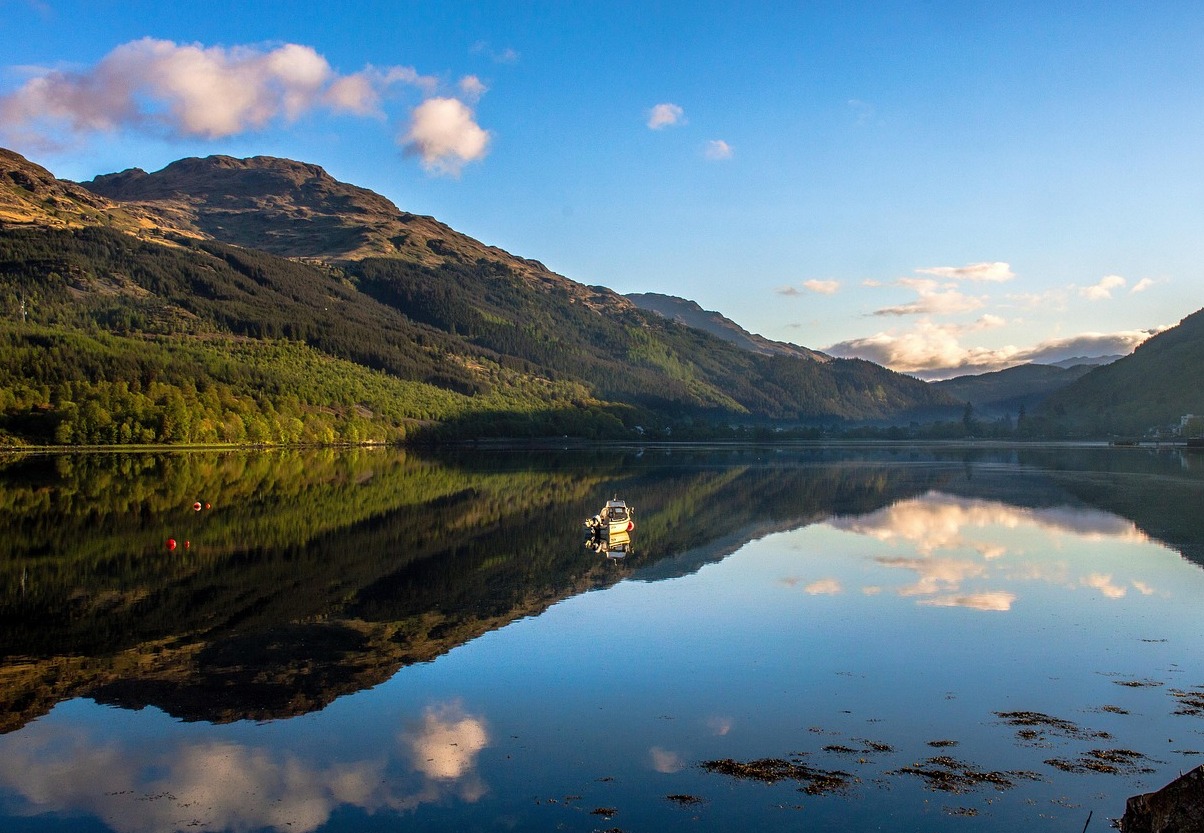
Loch Lomond, a shimmering jewel nestled in the heart of central Scotland, captivates visitors with its breathtaking landscapes and rich heritage. Recognized as Britain's largest expanse of fresh water, this stunning loch is framed by towering mountains, lush greenery, and charming villages, making it a prime destination for travelers seeking both adventure and tranquility.
### History and Origins
The ancient history of Loch Lomond dates back thousands of years, with evidence of human habitation as far back as the Mesolithic period. The loch itself has been a significant site for various clans, notably the Macfarlanes, who settled nearby. The region was shaped by notable events, including the Battle of Glen Fruin in 1603, a fierce conflict between the Macfarlanes and the Colquhouns. This historical backdrop adds depth to the landscape, where stories of bravery and rivalry echo through the mountains.
In the 19th century, Loch Lomond became a popular retreat, attracting artists and writers, notably Sir Walter Scott, who immortalized its beauty in his works. His poem, “The Lady of the Lake,” introduced many to the enchanting allure of this region, sparking an influx of visitors drawn to its natural splendor and cultural richness.
### Art and Architecture
The architectural landscape around Loch Lomond is a fascinating blend of traditional Scottish styles and modern design. The Inveraray Castle, located on the western shore, showcases the distinctive Baronial architecture typical of the 18th century, complete with turrets and sprawling gardens. This ancestral home of the Duke of Argyll is not only a stunning visual feast but also a repository of Scottish history.
Artistic expressions in the region extend beyond architecture. The loch has inspired countless painters such as J.M.W. Turner, whose works capture the ethereal quality of the Scottish light. Art festivals, including the Loch Lomond Art Trail, celebrate local talent and invite visitors to engage with the creative spirit of the area.
### Local Culture and Traditions
Local customs are deeply intertwined with the natural rhythms of Loch Lomond. The Highland Games, held annually in nearby villages, are a vibrant celebration of Scottish culture, featuring traditional events such as caber tossing and tug-of-war. These competitions not only showcase physical prowess but also foster community spirit and camaraderie.
Another cherished tradition is the Loch Lomond Folk Festival, which attracts musicians from across the globe, celebrating Scottish folk music and dance. Visitors can experience the joy of live performances while sampling local delicacies, creating a vibrant cultural tapestry that reflects the heart and soul of the region.
### Gastronomy
When it comes to gastronomy, Loch Lomond does not disappoint. The region is renowned for its fresh produce and traditional dishes. Scottish salmon from the loch is a must-try, often served smoked or grilled, showcasing its delicate flavor. Pair it with a glass of local whisky, such as those produced by the nearby Loch Lomond Distillery, to truly savor the essence of Scotland.
Another local delight is the Cullen skink, a rich soup made from smoked haddock, potatoes, and onions, offering a taste of coastal Scotland. For a sweet treat, don’t miss the chance to try tablet, a traditional Scottish confectionery that melts in your mouth, embodying the local penchant for sugary delights.
### Lesser-known Curiosities
Despite its popularity, Loch Lomond harbors many lesser-known curiosities. One fascinating detail is the existence of Inchmurrin, the largest island on the loch, which is home to the ruins of a medieval castle and a variety of wildlife. Its secluded nature makes it an ideal spot for a quiet picnic away from the bustling shores.
Additionally, the loch is said to be home to the mythical Loch Lomond Monster, a creature that has sparked local legends and intrigued visitors for generations. While the existence of such a creature remains unproven, the stories add a layer of intrigue to the already captivating landscape.
### Practical Visitor Information
The best time to visit Loch Lomond is during the late spring and summer months (May to August), when the weather is most favorable for outdoor activities. Hiking, cycling, and boat tours are popular among visitors looking to explore the natural beauty of the area.
For those planning a visit, it’s advisable to dress in layers, as the weather can change rapidly. Keep an eye out for the West Highland Way, a long-distance trail that runs alongside the loch, offering stunning views and opportunities for exploration.
Whether you’re seeking adventure, relaxation, or a taste of local culture, Loch Lomond promises a memorable experience. To truly make the most of your visit, consider using the Secret World app to craft a personalized itinerary tailored to your interests and preferences.