
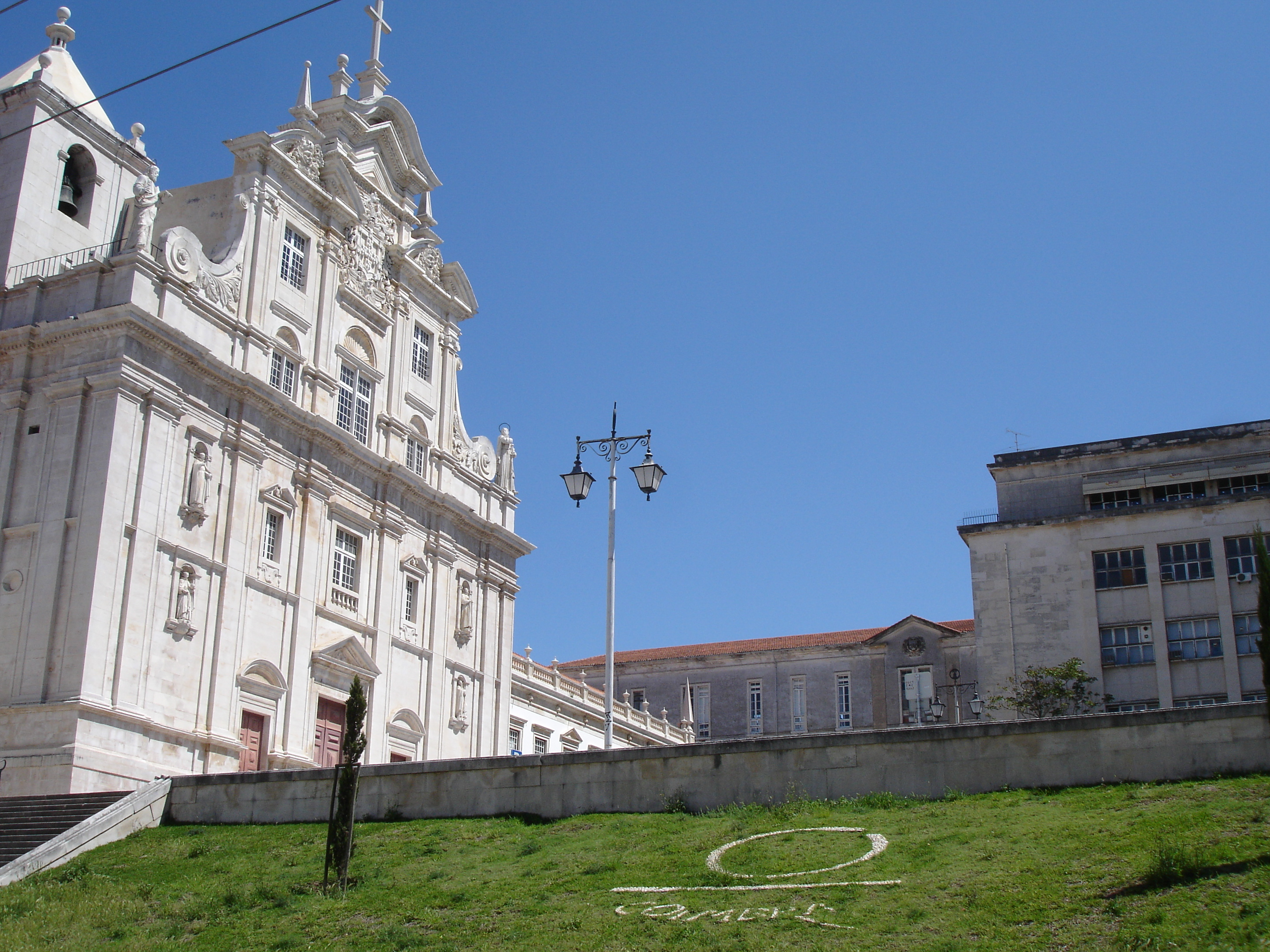

In the heart of Coimbra, a city steeped in history and academia, lies the Se Nova, or the New Cathedral. Founded in 1598, this grand structure stands testament to a rich cultural legacy that intertwines with the historical tapestry of Portugal. While the name might suggest modernity, Se Nova is an architectural gem with deep roots, nestled within the rich narrative of one of Europe’s oldest university cities.
The origins of Se Nova trace back to the Society of Jesus, also known as the Jesuits, who established their college in Coimbra in 1547. The site, originally intended for educational purposes, underwent numerous alterations before settling on its current form. The architect Baltazar Álvares was pivotal in laying down the foundation stone in 1598, marking the beginning of the construction of this magnificent Mannerist building. Over the years, the cathedral has witnessed historical events, including the suppression of the Jesuits in 1759, which significantly impacted its operations and the surrounding community.
Architecturally, Se Nova is a stunning example of Baroque style, characterized by its elaborate decorations and bold structures. The facade boasts intricate carvings, with statues of four Jesuit saints standing sentinel at its upper reaches. The dual bell towers and a prominent dome add to its majestic silhouette against the Coimbra skyline. Inside, the high altar captures the attention of visitors with its ornate details and religious significance, housing various artworks and relics, some of which have been repurposed from the Old Cathedral of Coimbra.
Art enthusiasts will find much to admire within Se Nova. The cathedral is adorned with exquisite azulejos (traditional Portuguese tiles) that depict biblical scenes and stories. The craftsmanship of the altar and the surrounding chapels reflects the artistic fervor of the period, showcasing the fusion of spirituality and creativity that defined the Baroque movement. Each corner of the cathedral reveals a hidden story or a piece of art that speaks to the devotion and artistry of its creators.
Beyond its architectural beauty, Se Nova plays a vital role in the cultural fabric of Coimbra. The cathedral is closely linked with local customs and traditions, particularly those associated with the University of Coimbra, one of the oldest universities in continuous operation in the world. The academic calendar is punctuated by numerous festivals, such as Praxe, a series of rituals that mark the initiation of new students, often involving visits to significant landmarks like Se Nova. These events create a lively atmosphere where history and modern student life converge.
Culinary delights abound in Coimbra, and no visit would be complete without savoring the local gastronomy. The region is famous for its leitao (suckling pig), a dish often associated with festive occasions. Another local specialty is the Pastel de Santa Clara, a sweet pastry filled with almond cream, named after the nearby Monastery of Santa Clara. Pair these treats with a glass of Dão wine, a regional favorite, to truly savor the flavors of Coimbra.
While many tourists flock to the more well-known attractions, such as the University of Coimbra and the Old Cathedral, there are lesser-known curiosities that make Se Nova a unique stop. For instance, look closely at the intricate carvings on the cathedral’s facade; they include representations of the Jesuit motto, “Ad majorem Dei gloriam” (For the greater glory of God). Additionally, the cathedral’s interior features hidden chapels that may not be immediately visible but hold fascinating stories of faith and devotion.
The best time to visit Se Nova is during the spring and early autumn months when the weather is mild, and the gardens surrounding the cathedral are in full bloom. Visitors should take their time exploring the rich interiors and the serene atmosphere that envelops the site. It’s advisable to join a guided tour to fully appreciate the historical context and artistic significance of the cathedral, and to ensure you don’t miss hidden gems within this sacred space.
As you wander through the hallowed halls of Se Nova, let the echoes of history and artistry resonate with you. For a more personalized exploration of Coimbra, consider using the Secret World app to plan your itinerary.


