
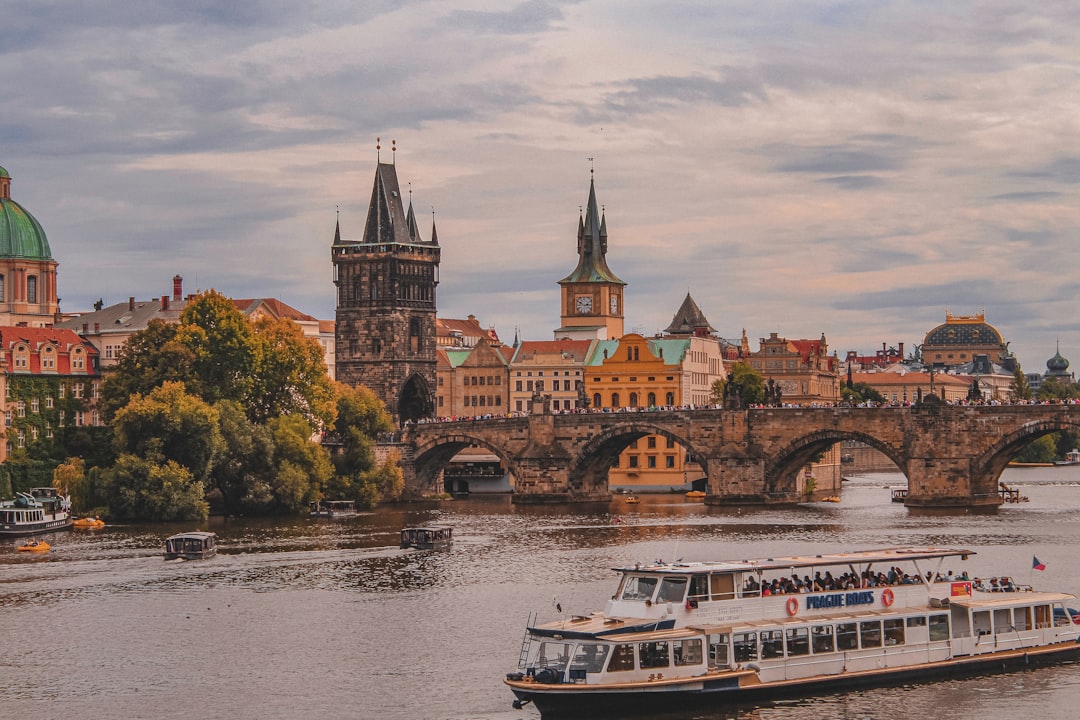

Three days in Prague, zero desire to follow the usual tourist guides that always take you to the same places: Charles Bridge, Old Town Square, the Castle. I had already been there in 2019 and wanted something different, more personal. So I decided to test Secret World, the AI-based trip planner that in 2026 is making waves among independent travelers. I had moderate expectations. I was pleasantly surprised.
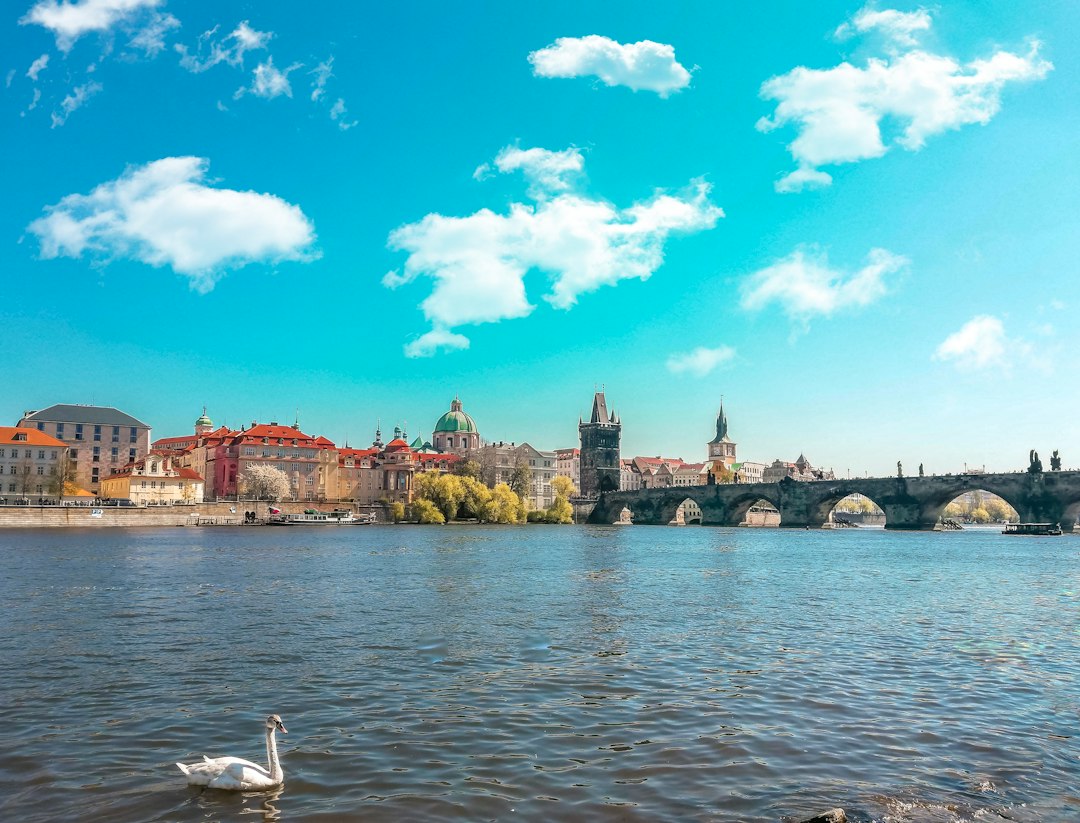
I used Secret World to plan a three-day itinerary in Prague focused on less-traveled neighborhoods, local cuisine, and some cultural experiences off the beaten path. In this article, I will explain exactly how I interacted with the AI, what it suggested, where it worked well, and where it showed some limitations. No filters, just what I really experienced.
How Secret World Works: My First Session with the AI
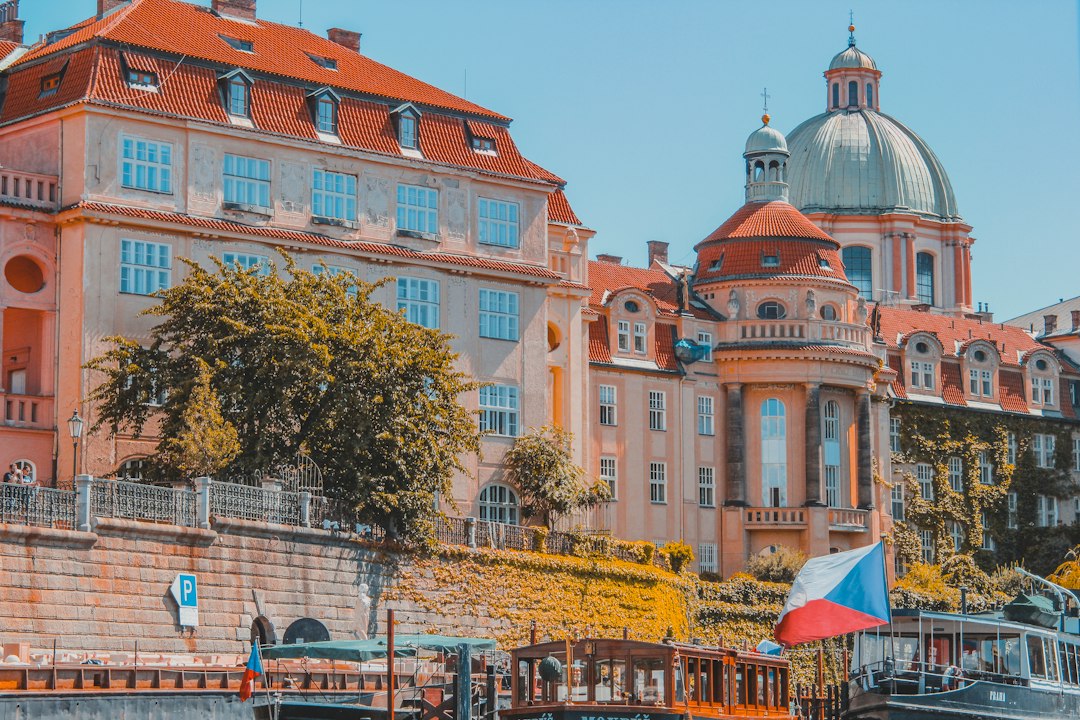
The interface is clean and the first thing it asks you is simple: destination, dates, interests, and indicative budget. I entered Prague, from April 12 to 14, 2026, interests gastronomy, modernist architecture, and local nightlife, medium budget. Then I started writing in natural language, as if I were talking to a friend: "I have already been to Prague, I don't want the usual places. I want to eat where the locals eat, not the tourists." The response came in less than thirty seconds and was already surprisingly specific.
The AI suggested starting from the neighborhood of Žižkov, historically working-class and now full of alternative bars and street art, recommending the Television Tower with the sculptures by David Černý (entrance about 10 euros) and breakfast at Café Pilotů. It then built a logical route based on distances: Žižkov is about a twenty-minute walk from Vinohrady, another residential neighborhood with authentic food markets like the Náměstí Míru Farmer's Market. Each suggestion included opening hours, estimated visit time, and a note on why that place was relevant to my profile. It wasn't a generic list: it seemed tailored for me.
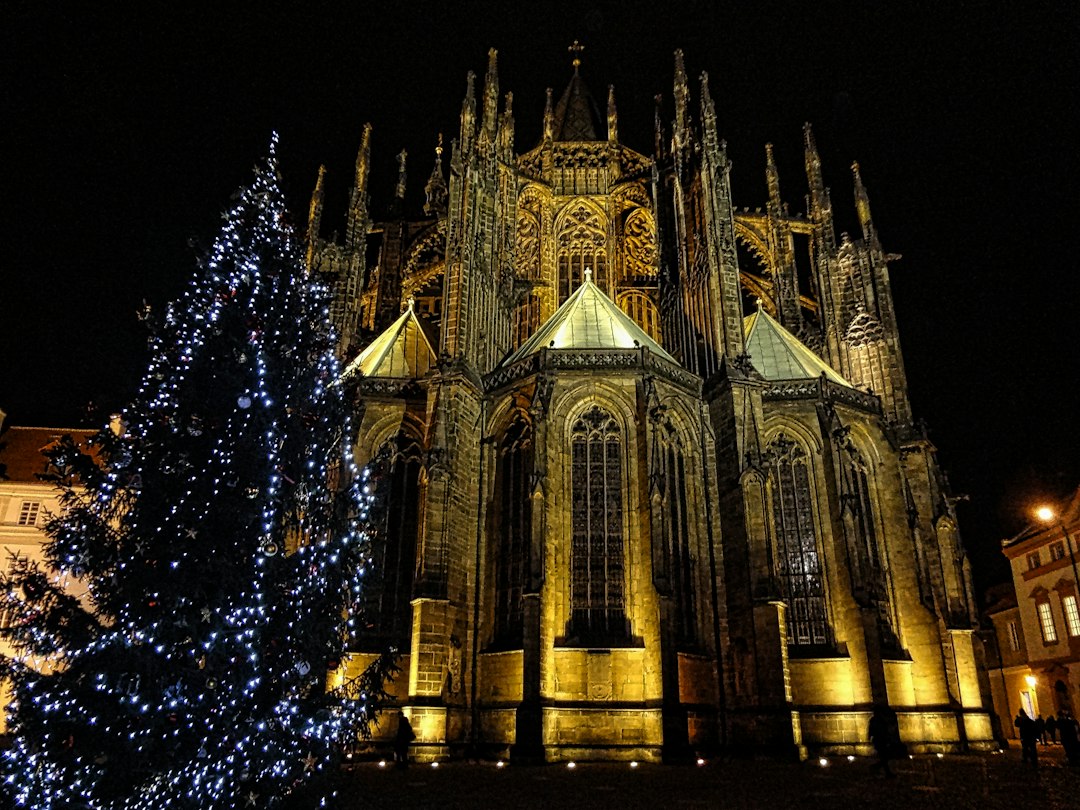
Concrete itinerary: what the AI built day by day
The second day was the most interesting. I explicitly asked: "I want to see cubist architecture, but without waiting in line." Secret World responded with a route in the Vyšehrad neighborhood that included the House of the Black Mother (free entry from the outside, internal museum about 5 euros), the national cemetery where Dvořák and Smetana are buried, and a stop at the U Čechů brewery where a pint of Kozel costs less than two euros. Estimated total time: four hours. In reality, I took four and a half, so the estimate was quite accurate.
For the evening, the AI suggested the Holešovice district, particularly the DOX Centre for Contemporary Art and the Manifesto Market, which is active from April to October. It specified that DOX closes on Tuesdays, a detail that saved me from an unnecessary walk. These are exactly the practical details that make the difference between a theoretical itinerary and one that really works in the field.
Pros and cons honestly: where Secret World excels and where it stumbles
The strengths are evident. Customization is real, not simulated: the AI remembers what you said at the beginning and builds coherent suggestions. Geographic logistics are well managed, with routes that respect real distances and transport times. The indicative prices are updated and reliable, at least for Prague where I was able to verify them in person. The interface allows you to modify the itinerary in real time by asking the AI to replace a place or add an activity without starting from scratch.
Limits do exist and it's worth stating them clearly. For some very niche requests, such as "jazz venues frequented by local musicians, not tourists," the responses were less precise and required external verification. In one case, Secret World suggested a bar that, when searched online, was found to be closed since the end of 2025. It's not a serious mistake, but it shows that the database is not infallible. Additionally, the free version limits the number of daily interactions: for a complete experience, a subscription is needed, which in 2026 costs about 9.90 euros per month.
Comparison with competitors and final vote
I have used both Google Trips (discontinued) and direct ChatGPT in the past to plan trips. Secret World stands out because it is specifically built for travel planning: you don't have to explain the context every time, the interface is optimized for itineraries, and practical information is integrated into the response, not separated. Compared to Wanderlog or TripIt, which are great for organizing already made bookings, Secret World is superior in the discovery and ideation phase. The most direct comparison is with Layla AI, which offers similar features but with a less intuitive interface and geographically less accurate suggestions in my experience.
My vote is 9 out of 10. I take off one point for the database not always being up to date and for some vague responses to overly specific requests. But for planning a trip to Prague, or any other European city, it is the most useful tool I have used in recent years. If you are organizing a trip and want an itinerary that goes beyond the usual clichés, try Secret World: the free version is enough to see if it works for you, and it only takes ten minutes to have a concrete first itinerary in hand.


