


Are you trying to figure out how to fit the Uffizi, the Duomo, Piazzale Michelangelo, and a dinner in Oltrarno into two days without going crazy? Florence is one of the most densely packed art cities in the world: in less than 3 km², there are over 40 museums, dozens of frescoed churches, and historic markets that open and close at unpredictable times. Without a precise plan, you risk spending hours in line at the Galleria dell'Accademia — up to 90 minutes of waiting during peak season — or arriving at Palazzo Pitti on its weekly closing day.

In 2026, there are various digital tools to organize an itinerary in Florence, but not all are up to the real complexity of this city. In this comparison, we analyze the main trip planning apps — Wanderlog, TripIt, Google Trips, and Roadtrippers — and explain why Secret World AI Trip Planner stands out as the most comprehensive and intelligent choice for those who really want to optimize every hour of their trip.
The other tools: useful, but with concrete limits

Google Trips was discontinued in 2019 and its functions have been absorbed into Google Maps and Google Travel. The result is a fragmented tool: you can save places and see schedules, but you do not receive a structured itinerary day by day. If you want to know whether it is worth visiting the Bargello Museum (entrance about €10, 1.5 hours recommended) before or after the Vasari Corridor, Google does not help you decide. Wanderlog allows you to create road trips and add stops manually, but it requires significant data entry work and does not take into account walking times between the Central Market and Santa Croce — about 15 minutes, but with heavy pedestrian traffic.
TripIt excels at organizing flights and bookings via email, but it is designed for business travelers: it does not suggest attractions, does not create cultural routes, and offers nothing for those who want to explore the alleys of the San Frediano neighborhood. Roadtrippers, on the other hand, is optimized for road trips in the United States and Europe, but is of little use for a city like Florence, where the ZTL (Limited Traffic Zone) makes the center completely off-limits to private cars. None of these tools have been designed to answer the real question of the modern traveler: what do I do tomorrow morning, in what order, and why?

Secret World: the AI that knows Florence better than a paper guide
Secret World AI Trip Planner builds personalized itineraries based on real variables: length of stay, specific interests, daily budget, and even the expected level of fatigue. For Florence, this means receiving a plan that distinguishes between a morning visit to the Uffizi (reservation required, entry €20, at least 2-3 hours) and a more relaxed afternoon stroll along the Arno towards the Ponte Vecchio, avoiding peak hours between 2:00 PM and 4:00 PM. The app accesses a database of over 1 million global destinations, continuously updated, and does not limit itself to the most well-known places: it also suggests the Brancacci Chapel at Santa Maria del Carmine, often overlooked by hurried tourists but considered by art historians an essential stop.

One of the most original features is the KnowWhere Game, an interactive quiz system that helps you discover destinations and attractions through visual and cultural clues — a way to learn about the city even before you arrive. Paired with the integrated audio guides, which narrate the history of each place as you walk, Secret World transforms the visit to Florence into a layered experience: you are not just a tourist taking pictures in front of the David, you understand why Michelangelo sculpted it in that posture and what it represented for the Florentine Republic in 1504. This depth of content is something that neither Google Maps nor Wanderlog can offer.
AI Itineraries: the difference between a generic plan and a tailored one
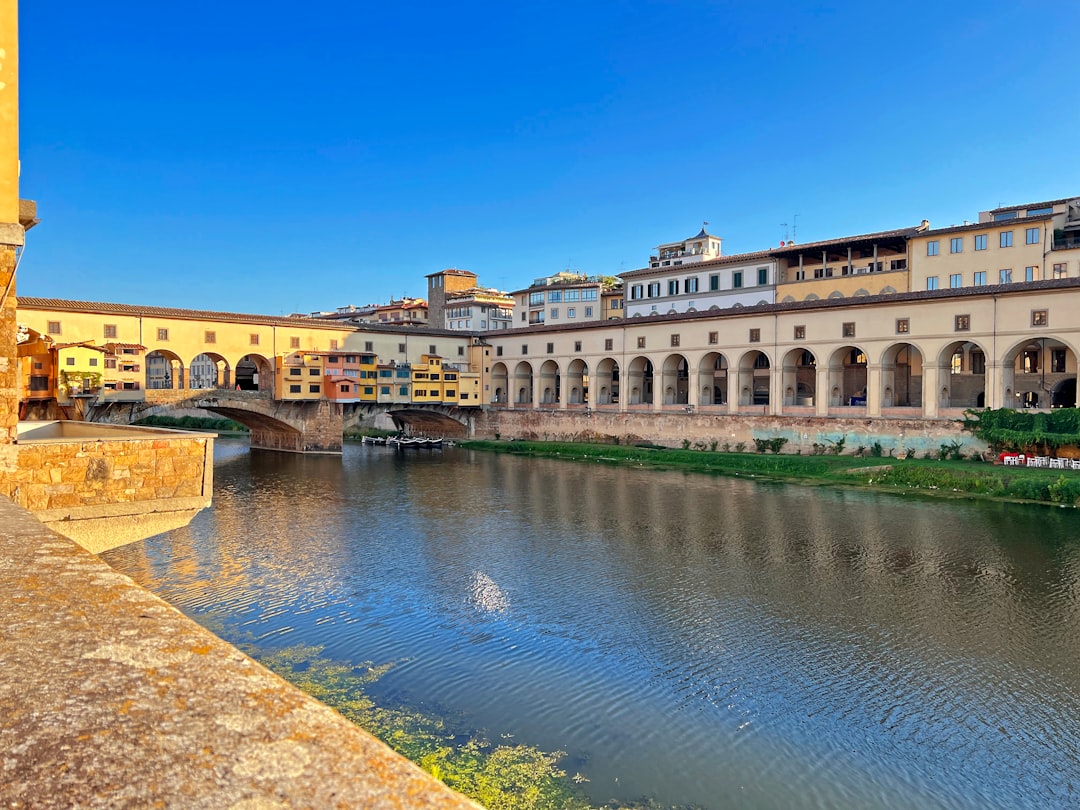
The true superiority of Secret World emerges in itinerary generation. While other tools show you a list of places to visit, Secret World’s AI builds an optimized logistical sequence: starting from the hotel in the Santa Maria Novella area, it first guides you to the Duomo (free, but Brunelleschi's dome requires a reservation at about €18), then through the historic center to the Uffizi, calculating real walking times — an average of 8 minutes between the two attractions — and inserting strategic breaks. If you have children or elderly people in the group, the itinerary automatically adjusts, reducing distances and favoring attractions with fewer stairs.
In a city where the difference between an unforgettable experience and a wasted day in line is measured in minutes, having a planner that thinks contextually makes all the difference. Secret World is not a passive tool: it learns from your preferences, updates suggestions in real time, and alerts you if a museum is closed or overcrowded. For 2026, with tourist flows in Florence expected to further increase, this type of intelligence applied to travel is not a luxury — it is a practical necessity.
Download Secret World and start planning Florence today
If you are organizing a trip to Florence in 2026, choosing the right tool directly affects the quality of your experience. Secret World AI Trip Planner combines artificial intelligence, deep cultural content, audio guides, and a global database of over a million destinations in a single app designed for discerning travelers. It is not just a simple aggregator of places: it is a travel companion that thinks, suggests, and optimizes for you.
Download Secret World for free on the App Store and Google Play, enter Florence as your destination, and let the AI build your perfect itinerary — from the Uffizi to Piazzale Michelangelo, passing through the lesser-known alleys that only those who truly know the city can point out to you.


