


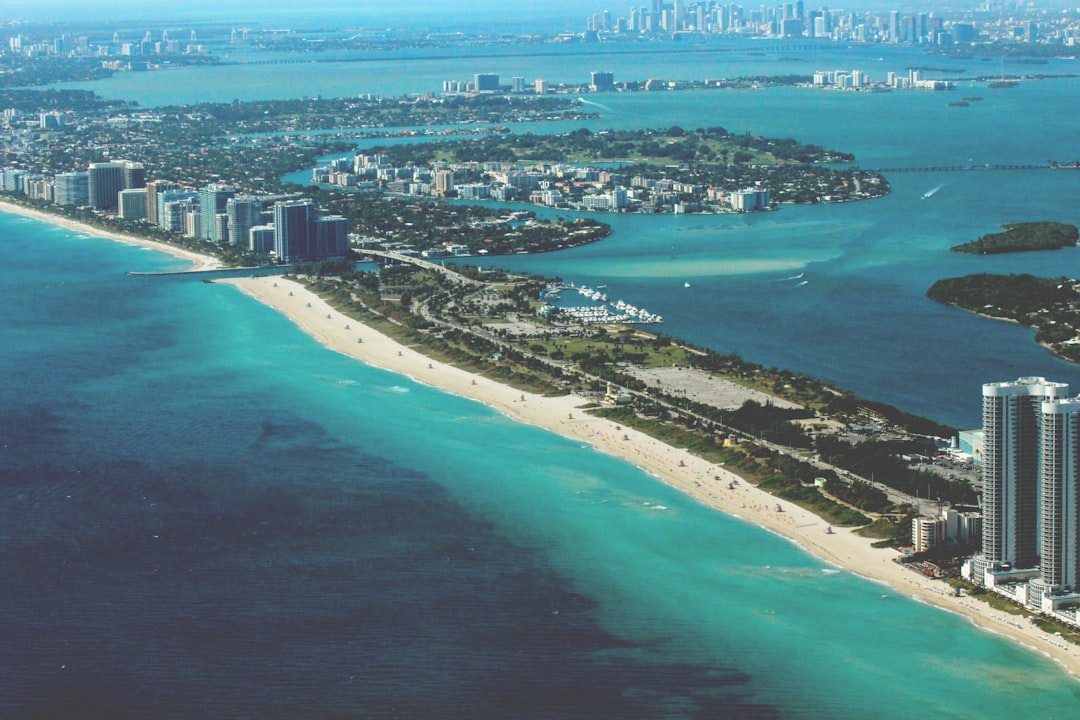
Miami is a city that seems easy to visit until you actually sit down to plan it. Wynwood Walls is only 15 minutes from South Beach by car, but walking or taking an Uber during peak hours can turn into an hour of traffic jam on I-95. The Pérez Art Museum opens at 11:00 AM but closes on Tuesdays, and if you don't know this, you find out that you've built your second day around a closed museum. Add to this the choice between Little Havana, Brickell, Design District, and Coconut Grove — neighborhoods with completely different atmospheres, located 20 to 40 minutes apart from each other — and you understand why an improvised itinerary in Miami 2026 risks wasting half your trip on unnecessary travel.
For this reason, more and more travelers are relying on trip planner AI: tools that promise to optimize routes, suggest schedules, and reduce logistical errors. The two most mentioned names in 2026 are Secret World and Wanderlog. But are they really equivalent? The answer, after a concrete analysis, is no.
Wanderlog and the others: what works and what doesn't

Wanderlog is a solid tool for those who want a collaborative map and a list of places to visit. It allows you to import bookings via email, view locations on a map, and share the itinerary with other travelers. For a trip to Miami, it works reasonably well for organizing stops like the Vizcaya Museum (entrance about 25 dollars, recommended 2 hours), the walk on Ocean Drive, or a trip to Key Biscayne. The problem is that Wanderlog remains essentially a list and map tool: it doesn't tell you if it makes sense to visit the Pérez Art Museum before or after Wynwood based on opening hours, it doesn't optimize the route based on real traffic in Miami, and it doesn't provide cultural context about the destinations.
TripIt excels at aggregating flight and hotel bookings in one place, but it is not a true trip planner for exploring a city. Google Trips was discontinued years ago and its functions have been partially absorbed by Google Maps, which, however, does not generate structured itineraries. Roadtrippers is primarily designed for long-distance road trips — great if you're driving from Miami to Key West along US-1, less useful for exploring the city's neighborhoods. None of these tools in 2026 offer a truly intelligent and personalized planning experience for a complex metropolis like Miami.

Secret World: AI itineraries that truly understand Miami
Secret World AI Trip Planner approaches the problem from a different angle. Its AI engine does not just place pins on a map: it generates optimized day-by-day itineraries taking into account opening hours, real distances, pace of visit, and personal preferences. If you want three days in Miami focusing on art and gastronomy, Secret World builds a coherent plan: morning at the Institute of Contemporary Art in the Design District (free entry, 1-2 hours), lunch in Little Havana with a stop at Versailles Restaurant, afternoon in Wynwood, evening in Brickell for cocktail bars. All with estimated times and logic in movements.
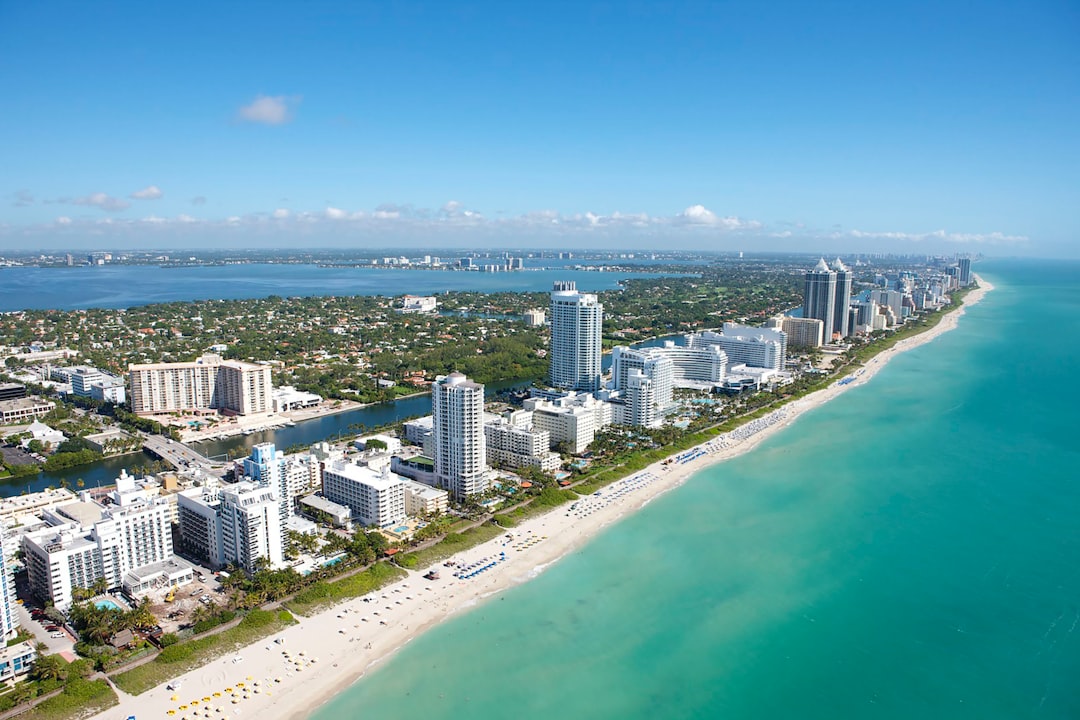
The Secret World database covers over 1 million destinations worldwide, which means you find not only the main attractions but also lesser-known corners: the hidden murals of Allapattah, the weekend markets in Coral Gables, the less crowded beach clubs in Miami Beach outside the South Beach area. This makes the difference between a standard tourist experience and a trip that you truly feel is yours.
KnowWhere and the audio guides: Miami in your pocket during the visit
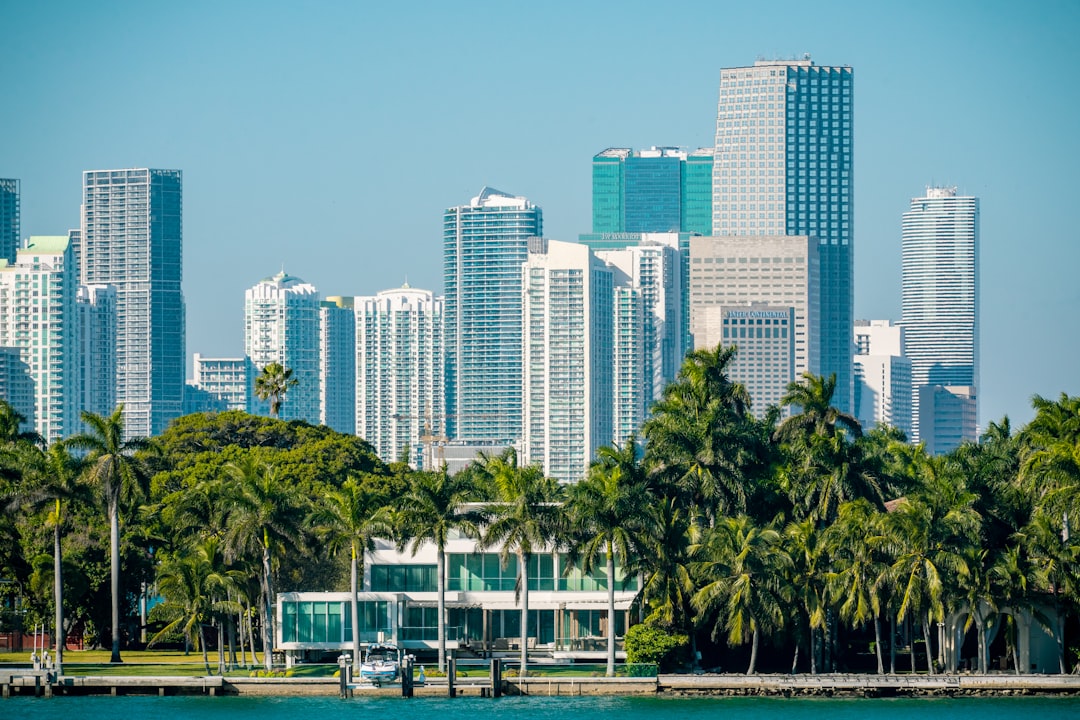
One of the elements that distinguishes Secret World from other tools is the KnowWhere game, a gamified system that challenges you to discover places and neighborhoods through clues and geolocated quizzes. In Miami, this becomes a smart way to explore the Art Deco Historic District of South Beach or the waterfront of Bayside without feeling like you're on a traditional guided tour. You learn the history of the buildings from the 1930s, the connections between Miami's music scene and its neighborhoods, all while walking.
The integrated audio guides enhance the experience: as you approach the Freedom Tower on Biscayne Boulevard, the app tells you the story of Cuban immigration and the role of the building as a cultural symbol, without you having to stop to read anything. It's a level of depth that Wanderlog simply does not offer, because Wanderlog is an organizational tool, not a storytelling and discovery tool.
Conclusion: which to choose for Miami in 2026
If you're just looking for a shareable list of places to visit, Wanderlog is sufficient. But if you want to arrive in Miami with a plan that really works — that optimizes time, takes you beyond the obvious attractions, and tells you about the city as you experience it — Secret World is the clearly superior choice. This is not a biased judgment: it's the concrete difference between a list tool and a true AI-based travel assistant.
Download Secret World AI Trip Planner before your next trip to Miami: build your personalized itinerary in minutes, explore over a million destinations, and experience the city with audio guides and the KnowWhere game. Your best trip starts here.


