



Nestled amidst the rugged terrain of western Sichuan, China, the Seda Monastery, or Larung Gar, stands as a testament to the enduring spirit of Tibetan Buddhism. With its sea of tiny red houses sprawling across the valley, it is more than just a religious institution; it's a vibrant community and a sacred sanctuary for thousands of monks and nuns.

The roots of Seda Monastery trace back to 1980, when it was founded by Khenpo Jigme Phuntsok, a revered Tibetan lama, who sought to revive Buddhist learning after the devastating effects of the Cultural Revolution. From humble beginnings, it has grown into the world's largest Tibetan Buddhist school, attracting students and pilgrims from around the globe. The monastery has weathered various challenges, including demolitions and governmental restrictions, yet it continues to flourish as a beacon of Buddhist teaching.
Architecturally, Seda Monastery is a marvel. The red wooden houses, clustered densely on the hillsides, create a striking visual tableau. The Larung Gar Buddhist Institute at the heart of the settlement is an architectural gem, with intricately designed temples and stupas that reflect traditional Tibetan styles. The Golden Temple, with its shimmering roof and ornate carvings, is particularly notable. Inside, visitors can admire exquisite murals and thangka paintings that depict scenes from Buddhist scriptures, reflecting centuries-old artistic traditions.
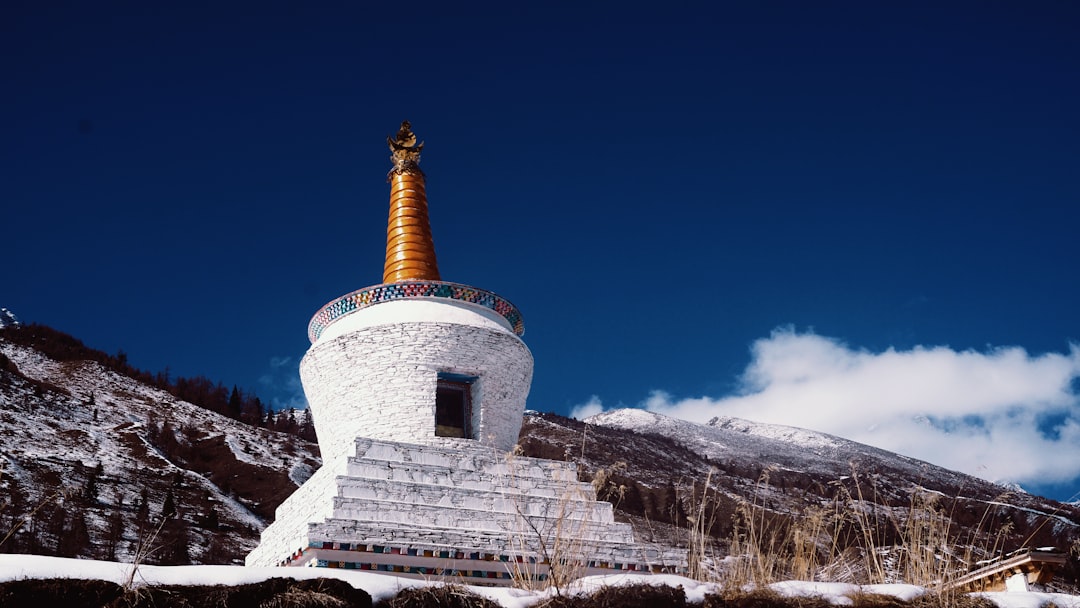
Cultural practices at Seda are deeply rooted in Tibetan customs and Buddhist rituals. The daily life of the monastery revolves around meditation, teaching, and prayer. Key festivals, such as Losar, the Tibetan New Year, and Monlam, the Great Prayer Festival, are celebrated with fervor, featuring elaborate ceremonies and traditional performances. These events offer a unique glimpse into the spiritual life of the community and are an unforgettable experience for visitors.
The gastronomy of the region is as distinctive as its landscape. Traditional Tibetan foods such as tsampa—a roasted barley flour—and yak butter tea are staples. The high altitude and cold climate influence the local diet, with hearty dishes like thukpa, a noodle soup, providing warmth and sustenance. For those visiting Seda, trying momo—Tibetan dumplings filled with meat or vegetables—is a must. These flavors offer a taste of the local culture and the way of life in this remote community.
Among the lesser-known curiosities of Seda Monastery is the Sky Burial Site nearby, a sacred and profound Tibetan practice where the dead are offered to vultures, symbolizing the impermanence of life. This ritual, while not intended for tourism, underscores the deep spiritual beliefs that permeate life in the monastery. Another intriguing feature is the monastic debates, where monks engage in animated discussions on Buddhist philosophy, a practice both educational and theatrical in its fervor and expression.
For those planning a visit, the best time to explore Seda is during the spring and autumn months, when the weather is mild and the landscape is particularly picturesque. Reaching Seda requires a journey by road, often from the nearest city of Chengdu, a trip that offers breathtaking views of the Sichuan countryside. Visitors should prepare for the altitude and bring warm clothing, as temperatures can drop significantly, especially in winter.
While exploring, take time to wander the narrow pathways between the red houses, engage respectfully with the resident monks and nuns, and participate in the tranquil meditation sessions if permitted. It's also essential to observe the local customs, dress modestly, and seek permission before taking photographs, especially during religious activities.
The Seda Monastery is more than a destination; it is a profound journey into the heart of Tibetan Buddhism and a testament to the resilience and devotion of its community. Its spiritual ambiance, cultural richness, and stunning scenery make it a truly unique place to visit, offering insights and experiences that linger long after the journey ends.
