
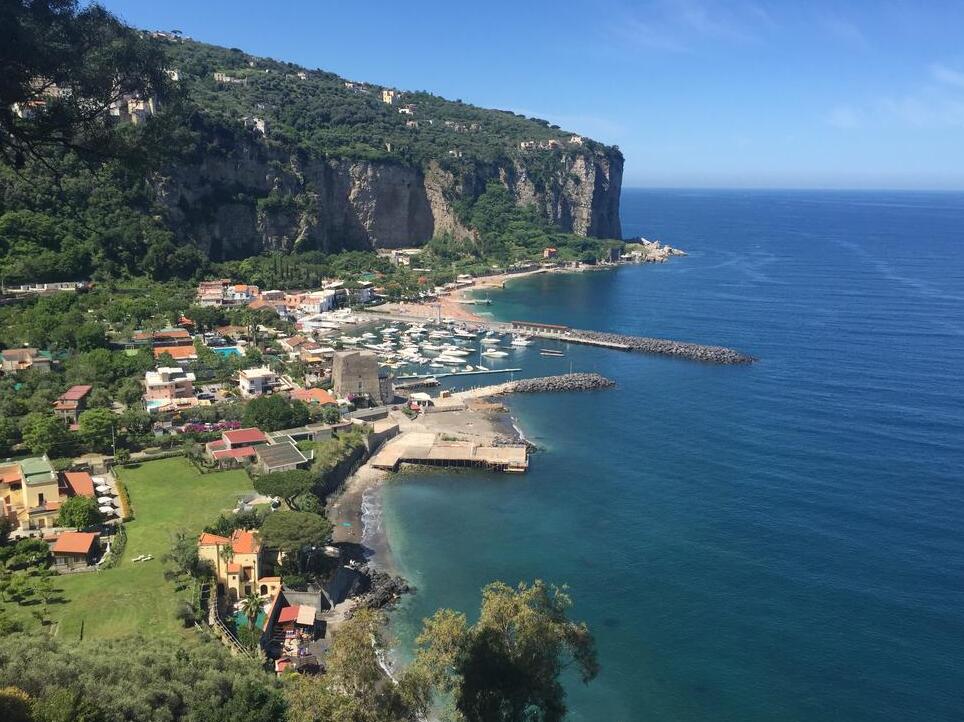

Nestled along the stunning Sorrentine Peninsula, Seiano and the old village of Pescatori in Vico Equense offer a mesmerizing blend of history, culture, and natural beauty that captivates all who visit. This picturesque hamlet, with its sun-kissed shores and old-world charm, invites travelers to discover its hidden stories and vibrant traditions.
The origins of Seiano date back to Roman times, when the region was a favored retreat for the wealthy elite of Rome. The ancient name, believed to be derived from the Roman family Seianus, hints at its prestigious past. Historical records suggest that during the Roman Empire, the area was dotted with luxurious villas overlooking the Gulf of Naples. Over time, the villages have retained their unique character, with Marina d'Aequa—the old fishing village—serving as a testament to the enduring maritime traditions of the region.
Architecturally, Seiano and Marina d'Aequa are a delightful medley of styles. The quaint streets are lined with pastel-colored houses that seem to cascade towards the sea. A notable landmark is the Church of San Marco Evangelista, an elegant structure that stands proudly in Seiano. Its origins can be traced back to the 15th century, showcasing a blend of Renaissance and Baroque elements. Inside, visitors can admire delicate frescoes and intricate woodwork that narrate the village's spiritual history.
The local culture is deeply rooted in the rhythms of the sea. La Festa della Madonna del Lauro, held annually in September, is a vibrant celebration that honors the village's patron saint. The festivities include a lively procession of boats adorned with flowers, a testament to the community's enduring connection to the sea. Throughout the year, the village hosts various cultural events that highlight traditional music and dance, providing visitors with an authentic glimpse into the local way of life.
Gastronomy is at the heart of the Seiano experience. The local cuisine is a delightful reflection of the area's coastal bounty. Visitors should not miss the chance to savor spaghetti alle vongole, a classic dish featuring fresh clams, garlic, and parsley, or the frittura di paranza, a medley of fried local fish. Pair these with a glass of Lacryma Christi, a wine produced from the volcanic slopes of Mount Vesuvius, to fully indulge in the region's culinary offerings.
For those seeking lesser-known curiosities, the Grotta dei Santi is a hidden gem worth exploring. This natural cave, adorned with ancient frescoes, offers a mysterious glimpse into the spiritual practices of early Christians. Another intriguing spot is the Scrajo, a thermal spring that has been cherished since Roman times for its purported healing properties. These sites, often overlooked by the casual tourist, add depth to the enchanting narrative of Seiano.
When planning a visit, the best time to explore Seiano and Marina d'Aequa is during the late spring or early autumn. During these months, the weather is pleasantly mild, and the crowds are more manageable. Travelers should take advantage of the scenic Circumvesuviana train, which offers breathtaking views along the route from Naples to Sorrento. Once there, a leisurely stroll through the villages is the best way to soak in the atmosphere. Look for artisanal shops selling handmade ceramics and local crafts, perfect mementos of this enchanting place.
In essence, Seiano and the old village of Pescatori are not just destinations—they are stories waiting to be discovered. With its rich tapestry of history, culture, and gastronomy, this captivating corner of Italy offers an unforgettable journey into the heart of the Sorrentine Peninsula.


