🎄 Win a month in Italy for two — €10,000 · The Secret Italy Prize GO →
Shakespeare Unveiled: The Italian Legacy Behind England's Bard — Londra
← Back
Other 📍 Londra, United Kingdom 530 views

Shakespeare Unveiled: The Italian Legacy Behind England's Bard

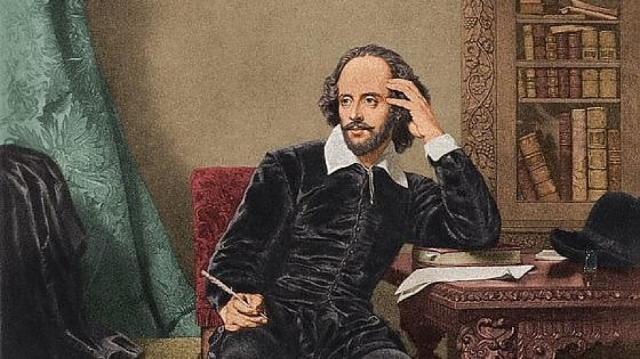
The enigmatic tale intertwining William Shakespeare with Italian heritage deepens, merging historical curiosity with scholarly debate. At the heart of this mystery is the proposition that Shakespeare might not have been the quintessential English playwright but rather an Italian...

Photo · Fabiana C.

Shakespeare Unveiled: The Italian Legacy Behind England's Bard — Londra, United Kingdom.

Location
Londra
Type
Other
Opening hours
Weather now
18°C
↗ Directions

About Shakespeare Unveiled: The Italian Legacy Behind England's Bard

Shakespeare Unveiled: The Italian Legacy Behind England's Bard - Londra | Secret World Trip Planner

The enigmatic tale intertwining William Shakespeare with Italian heritage deepens, merging historical curiosity with scholarly debate. At the heart of this mystery is the proposition that Shakespeare might not have been the quintessential English playwright but rather an Italian scholar named John Florio, born Michele Agnolo (or Michelangelo) Florio, known on his mother's side as Crollalanza. This theory suggests a rich narrative that challenges the traditional understanding of Shakespeare’s identity, weaving a complex story of migration, cultural exchange, and literary genius.

Shakespeare Unveiled: The Italian Legacy Behind England's Bard - Londra | Secret World Trip Planner

Michelangelo Florio, born around 1564 into a Calvinist family, spent his life evading religious persecution across Italy—from Palermo and the Aeolian Islands to Messina, Venice, and Verona—before ultimately finding refuge in Stratford and London.

His profound familiarity with Italian language, culture, and theatrical scenes, coupled with his own literary creations set in locales he intimately knew, raises questions about the true authorship behind the name William Shakespeare. Intriguingly, some of Florio's works, notably "troppu trafficu pì nnenti," penned in the Messinese dialect, bear striking resemblance to Shakespeare's "Much Ado About Nothing," hinting at a possible original version predating Shakespeare’s plays.
Shakespeare Unveiled: The Italian Legacy Behind England's Bard - Londra | Secret World Trip Planner

The speculation that Shakespeare might indeed be Florio is bolstered by the playwright's detailed depictions of Italian cities and customs, knowledge seemingly beyond the reach of an English actor from Stratford. This argument gains further support from the breadth of Shakespeare's vocabulary, which encompasses over 21,000 words—a richness that critics argue could only be justified if Shakespeare were an Italian immigrant.

Adding to the mystery are the Florio family’s ties to the English aristocracy, particularly the Pembroke family, who were believed to have access to Michelangelo Florio's manuscripts. Efforts to gain access to these documents, which could potentially clarify Shakespeare's true origins, have been consistently denied, underscoring the Shakespeare brand's immense cultural and economic value to England. Notably, appeals to high-profile figures such as former Prime Minister Tony Blair and Queen Elizabeth II have been unsuccessful, further entrenching the narrative of Shakespeare as an untouchable English icon.

This tale is complicated by the absence of concrete biographical details for Shakespeare, particularly the "missing years" in his documented life story. The lack of school records bearing Shakespeare's name and his sudden emergence on the London theatrical scene, commanding attention as a playwright and actor, fuel speculation about his true identity. The narrative suggests that William Shakespeare might have been a pseudonym for Michelangelo Florio, a noble Sicilian fleeing persecution, who found a new life and legacy in England.

As the debate continues, the story of William Shakespeare—or Michelangelo Florio—remains a captivating mystery at the intersection of history, literature, and cultural identity. The complex tapestry of evidence and conjecture not only underscores the enduring fascination with Shakespeare's identity but also celebrates the transcultural connections that define European literary heritage.

This ongoing inquiry into Shakespeare's origins invites us to reconsider the roots of his literary genius, potentially rooted deep in the culture and history of Italy, yet flourishing on the stages of England.

✦ Secret World · suggested day

A perfect day in Londra

Start with Shakespeare Unveiled: The Italian Legacy Behind England's Bard, then continue with nearby places selected by Secret World.

  1. 01
    Morning
    Shakespeare Unveiled: The Italian Legacy Behind England's Bard
    📍 Londra
    Start here
  2. 02
    Afternoon
    📍 0 km away
  3. 03
    Evening
    📍 0.1 km away

Collect this place

Turn places you discover into stamps in your Secret Passport.

Open Secret Passport →

Keep exploring · Londra

Frequently Asked Questions

According to the theory presented, William Shakespeare may have been John Florio, born Michele Agnolo Florio around 1564 into a Calvinist family that fled religious persecution across Italian cities including Palermo, Venice, and Messina before settling in England. This controversial proposition suggests Shakespeare's detailed knowledge of Italian culture, language, and specific Italian locales in his plays supports the identity switch rather than mere artistic imagination.
Michelangelo Florio spent his life moving across Italy to escape religious persecution, living in Palermo, the Aeolian Islands, Messina, Venice, and Verona before ultimately finding refuge in Stratford and London. His intimate familiarity with these Italian locations is reflected in Shakespeare's remarkably accurate depictions of Italian cities and customs throughout his plays, suggesting firsthand knowledge rather than research.
Florio's work 'troppu trafficu pìu nnenti,' written in the Messinese dialect from Messina, bears striking resemblance to Shakespeare's 'Much Ado About Nothing,' suggesting it may have been an original version that predated the famous English play. This parallel raises intriguing questions about whether Florio's Italian literary creations were later adapted and published under the Shakespeare name.
Shakespeare's vocabulary encompasses over 21,000 words with remarkable depth in Italian terminology and cultural references, which critics argue could only be justified if the playwright were an Italian immigrant rather than an English actor from Stratford. Additionally, his detailed and accurate portrayals of Italian cities, customs, and social situations demonstrate knowledge seemingly beyond what an English provincial could reasonably acquire.
The Florio family had significant ties to the English aristocracy, particularly the Pembroke family, which supported their integration into English society and may have facilitated their literary and social prominence. These aristocratic connections could have enabled Michelangelo Florio to adopt the identity of William Shakespeare and gain access to London's theatrical circles and patronage networks.

Experiences nearby · Londra

Powered by Viator

See more on Viator.com

Secret World Hidden places, real stories — plan your trip
Get the app
