

Nestled in the bustling heart of Mumbai, Shivaji Park is more than just a stretch of green in an urban jungle; it's a living testament to India's vibrant history and culture. Established in 1925 by the Mumbai Municipal Corporation, this expansive park in Dadar is named after the iconic Maratha ruler, Chhatrapati Shivaji Maharaj, a nod to his enduring influence and leadership.
History and Origins Shivaji Park has been a silent witness to many pivotal moments in Indian history. During the struggle for independence, it served as a crucible for political activism, where leaders like Bal Gangadhar Tilak and Dr. B.R. Ambedkar frequently addressed massive gatherings. Post-independence, the park became a focal point for the Shiv Sena, a political party founded in 1966, which further cemented its status as a site of socio-political importance.
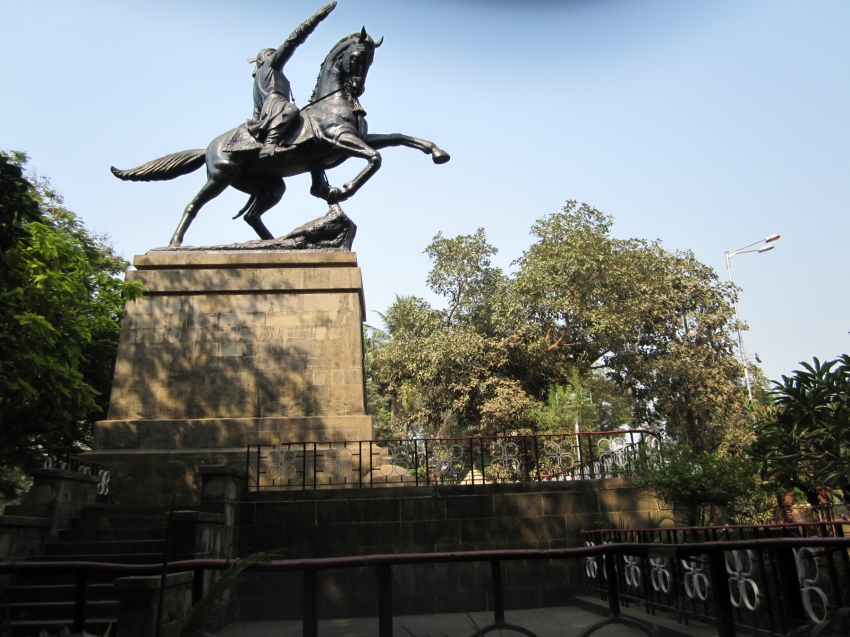
Art and Architecture Dominating the park is the imposing statue of Chhatrapati Shivaji himself, depicted on horseback with an outstretched arm—a symbol of leadership and vision. This statue is not just an artistic endeavor but a cultural emblem, sculpted by S. S. Lad, reflecting the spirit of the Maratha ethos. The park's architecture includes old colonial-style buildings and open-air gymnasiums, which blend functionality with heritage.
Local Culture and Traditions Shivaji Park is an epicenter of local culture. It hosts a plethora of events ranging from vibrant Ganesh Chaturthi celebrations to Marathi literary festivals, drawing crowds that reflect Mumbai's cosmopolitan ethos. The park's open grounds are frequently used for Dahi Handi, a traditional human pyramid event that reflects Maharashtra's rich cultural tapestry.
Gastronomy A visit to Shivaji Park is incomplete without indulging in local gastronomic delights. The vicinity is famed for its vada pav and pav bhaji stalls, offering a taste of authentic Mumbai street food. Enjoying a spicy bhel puri while strolling through the park is a local ritual that captures the essence of Mumbai's culinary culture.
Lesser-Known Curiosities Beyond its historical and cultural significance, Shivaji Park harbors secrets that many tourists overlook. Few know that this park is a cradle for cricket talent, having nurtured legends like Sachin Tendulkar and Sunil Gavaskar. It's not uncommon to see aspiring cricketers practicing on the very grounds where these icons honed their skills.
Practical Visitor Information The best time to visit Shivaji Park is during the cooler months from November to February, when the weather is pleasant. Early mornings and late afternoons are ideal to experience the park's charm without the crowd. Keep an eye out for the intricate carvings on the Shivaji statue, a detail often overshadowed by its grandeur.
Discover a personalized journey through Mumbai with the Secret World app, making your exploration both insightful and memorable.


