



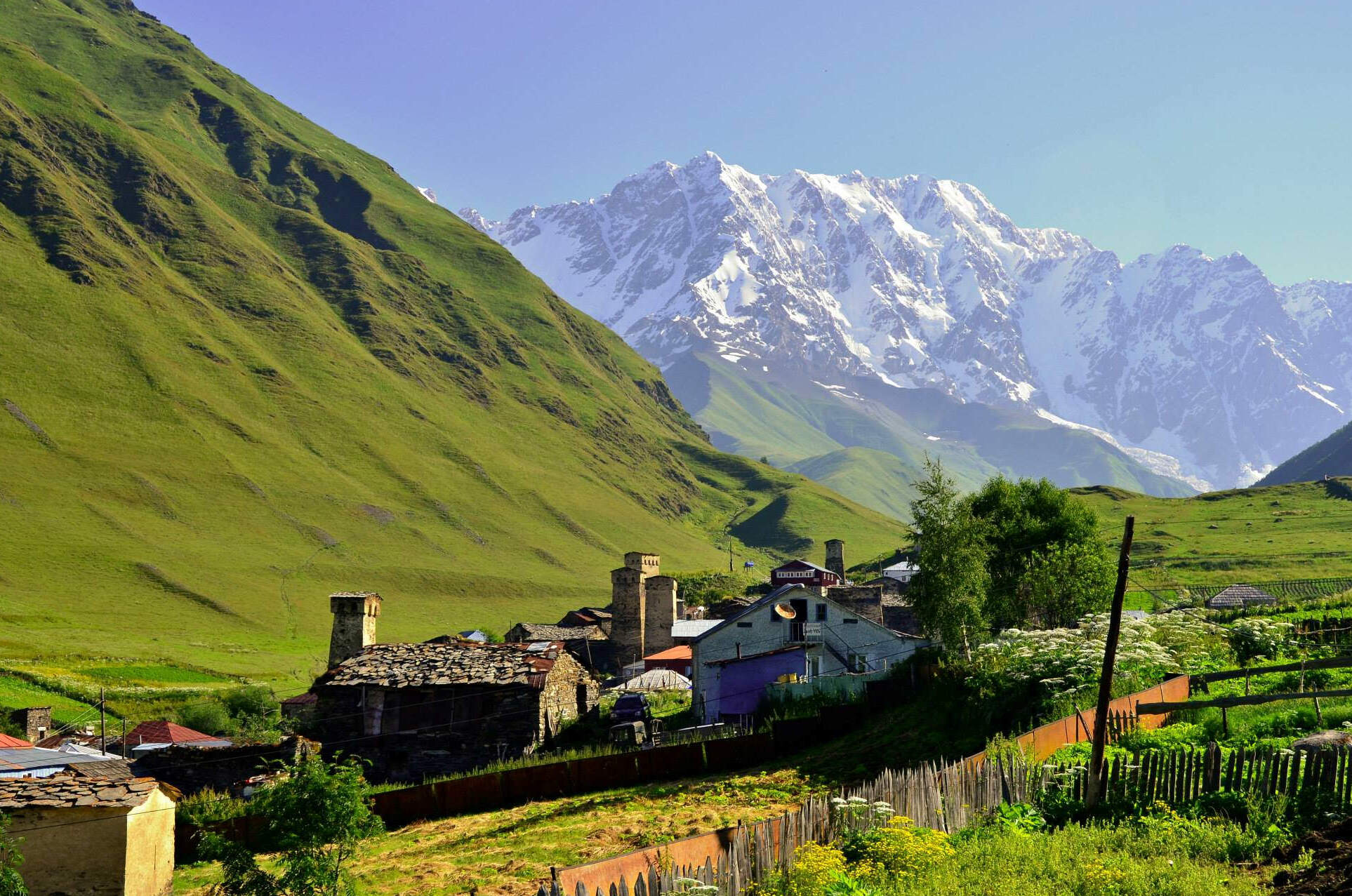
Shkhara, standing proudly at 5,201 meters, is not only Georgia’s highest mountain but also a breathtaking emblem of the Greater Caucasus range. Nestled in the Upper Svaneti region, it attracts mountaineers and adventurers with its rugged beauty and formidable climbing challenges. Known as Europe's fourth highest peak, it lies in a landscape steeped in history and culture, waiting to be explored.
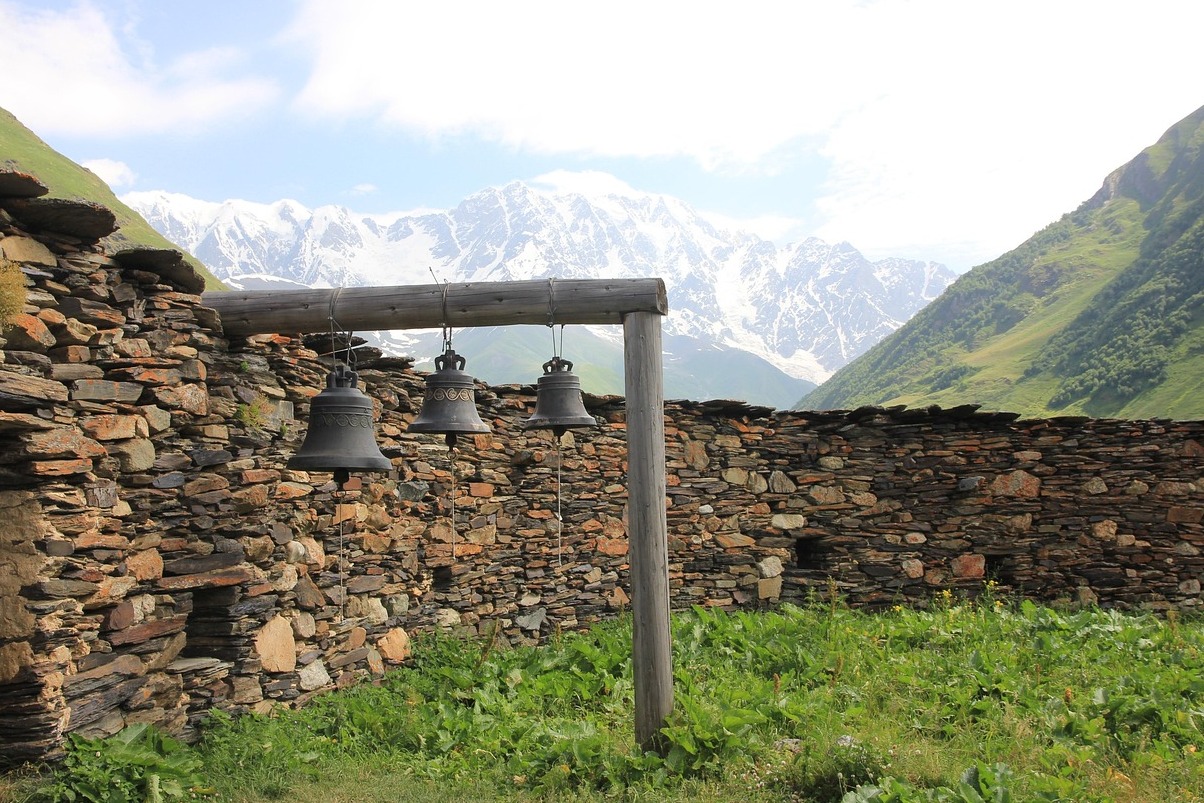
History and Origins The history of Shkhara is deeply intertwined with the lore of the Svan people, an ancient ethnic group renowned for their unique customs and fortified villages. The Svaneti region has been inhabited since the Bronze Age, and its isolation has helped preserve a wealth of traditions. The mountain itself is named after the local word for ‘snow’ and has long held spiritual significance, viewed as a sacred entity by the Svan people.
Shkhara’s first recorded ascent was in 1888 by a team of explorers from the Russian Empire, which marked the beginning of its recognition in the mountaineering world. Due to its challenging routes, particularly on the Russian side, Shkhara has been less frequently summited from the Georgian side, where the village of Ushguli serves as the primary base for climbers.
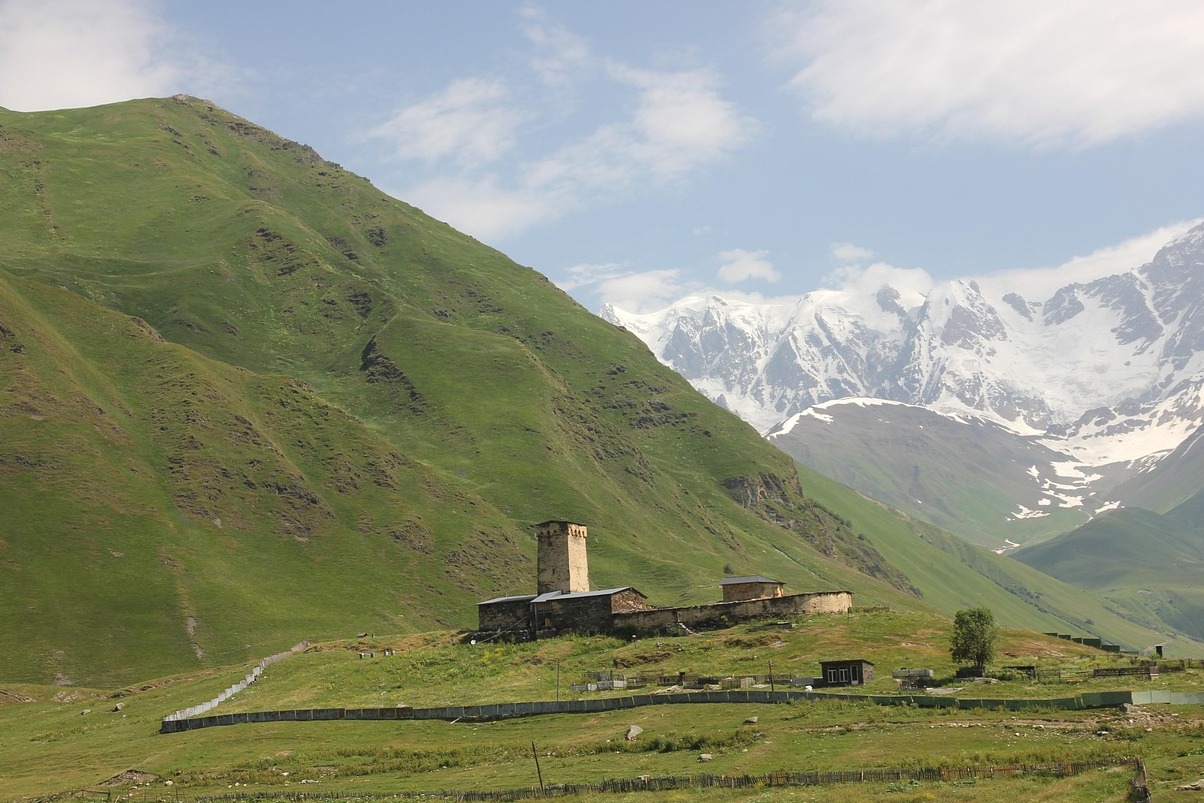
Art and Architecture While Shkhara is primarily known for its natural grandeur, the surrounding region showcases stunning architectural styles that reflect a blend of medieval and modern influences. The Svan towers, built of stone and often reaching impressive heights, are a defining feature of Svaneti. These defensive structures date back to the 9th century and are designed to protect against invaders. The architectural style is both functional and artistic, adorned with intricate carvings that often depict local legends and religious motifs.
In the nearby village of Ushguli, a UNESCO World Heritage site, one can find several churches that date back to the 10th century, such as the Church of St. George. These structures are not only places of worship but also repositories of Georgian art, featuring frescoes that narrate biblical stories and the history of the Svaneti region.
Local Culture and Traditions The culture of Svaneti is rich and distinctive, characterized by a strong sense of community and a deep connection to the land. The Svan people have preserved unique customs, including traditional polyphonic singing, which has been recognized by UNESCO as an intangible cultural heritage. Festivals such as Didi Ghmerti, celebrating the harvest, offer a glimpse into local customs, where music, dance, and regional dishes come together in joyous celebration.
Another integral aspect of Svan culture is the tradition of hospitality. Visitors to the region are often welcomed with open arms and offered traditional foods, accompanied by the local spirit known as Chacha, a potent grape pomace brandy.
Gastronomy The culinary scene in Svaneti is as rugged and vibrant as its landscapes. Visitors can enjoy traditional dishes such as Kubdari, a hearty meat pie filled with spiced lamb or beef, and Gomi, a cornmeal dish often served with cheese. The region is also famous for its unique cheese varieties, particularly Svanuri cheese, which is often used in local dishes.
Another must-try is Lobio, a flavorful bean stew seasoned with herbs and spices, perfect for refueling after a day of exploring. Pair these dishes with a glass of local wine or Chacha to fully experience the culinary delights of this mountainous region.
Lesser-Known Curiosities Beyond its towering peaks and cultural richness, Shkhara holds many hidden treasures. For instance, the area around Shkhara is known for its diverse flora and fauna, including the elusive Caucasian chamois and rare alpine flowers that bloom during the short summer months. The region is also home to ancient petroglyphs, some of which date back thousands of years, providing a glimpse into the lives of early inhabitants.
Additionally, the weather can be quite unpredictable, with sudden changes challenging even the most experienced climbers. This unpredictability adds to the mountain’s mystique, making it a place of both beauty and challenge.
Practical Visitor Information The best time to visit Shkhara is during the summer months, from June to September, when the weather is milder and the mountain is more accessible. Most climbers begin their ascent from the village of Ushguli, which can be reached by a bumpy road from the town of Zugdidi. It’s advisable to be well-prepared, including having the appropriate gear and guides familiar with the terrain.
Those interested in climbing should consider hiring a local guide, as they can provide valuable insights into the region’s history and ensure a safer journey. It’s also essential to acclimatize properly to avoid altitude sickness, as the conditions can vary significantly from the base to the summit.
In conclusion, Shkhara is not only a mountain but a testament to Georgia’s rich heritage and the resilience of the Svan people. Whether you’re scaling its heights or simply enjoying the breathtaking views, the experience is bound to leave a lasting impression. For a personalized journey through this stunning region, consider using the Secret World app to plan your adventure.
