
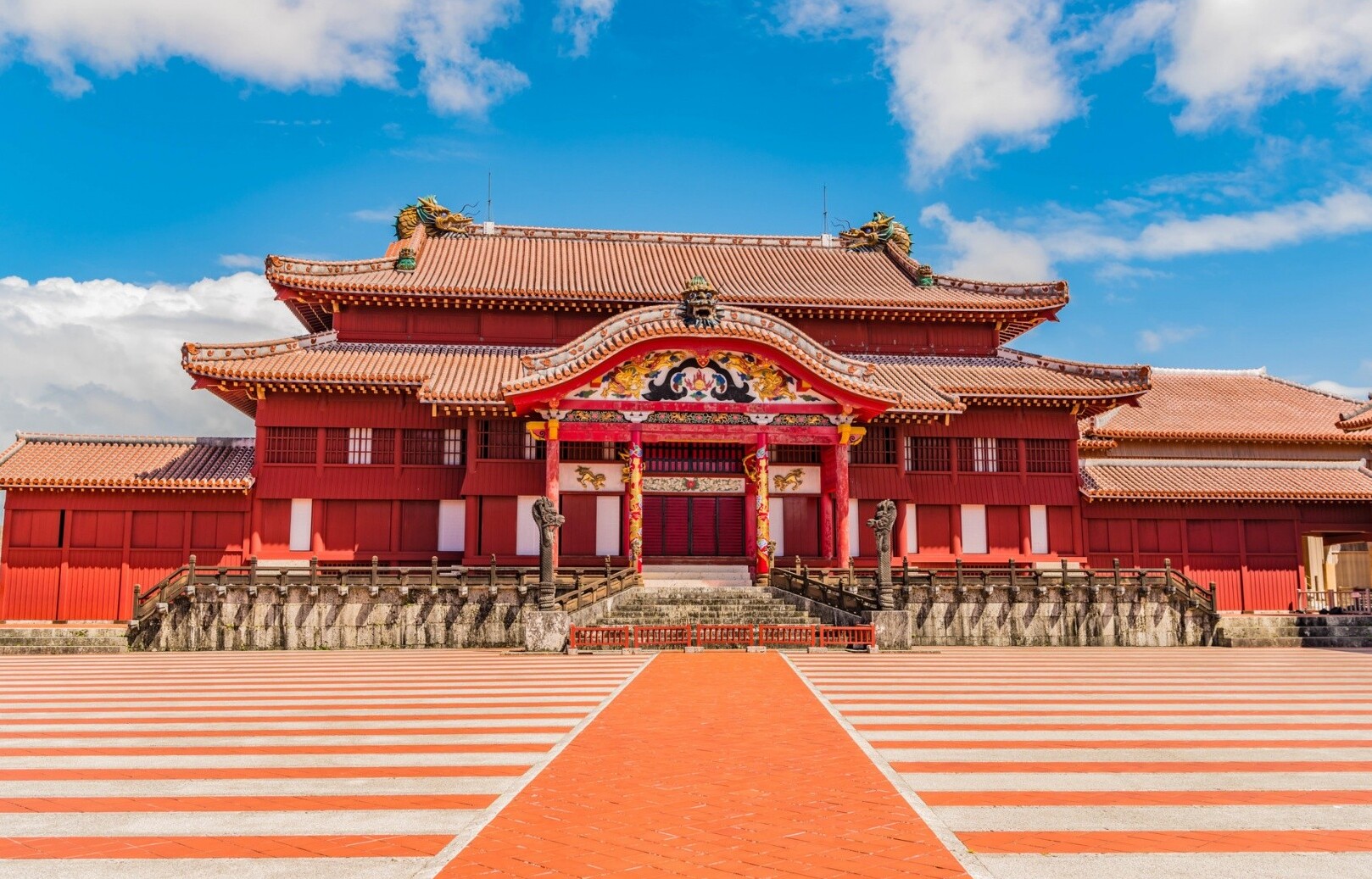

Nestled in the heart of Naha, the capital of Okinawa, Shuri Castle stands as a magnificent testament to the rich history of the Ryukyu Kingdom. Originally constructed in the late 1300s, it served as the administrative hub and royal residence for the island’s kings until Okinawa was annexed by Japan in 1879. This UNESCO World Heritage site has witnessed the ebb and flow of power, culture, and conflict, making it a must-visit for history enthusiasts.
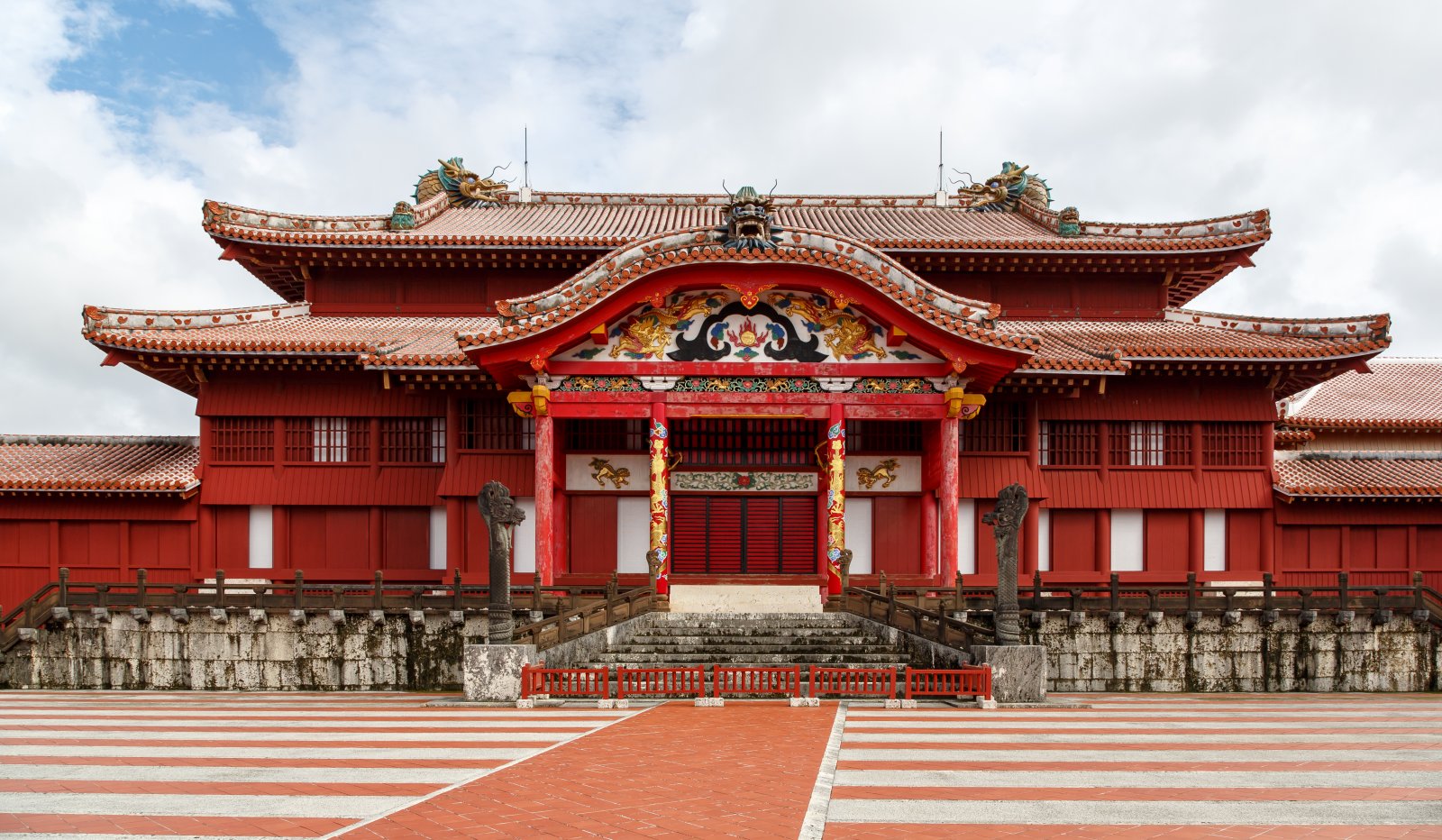
The castle's architecture is a stunning amalgamation of Chinese and Japanese styles, a reflection of the Ryukyu Kingdom’s unique position as a cultural bridge between these two great nations. Vibrant red walls, intricate wooden carvings, and ornate roofs adorned with shisa (guardian lions) create an enchanting atmosphere. The Shureimon Gate, the castle's iconic entrance, is particularly striking, with its elaborate dragon motifs symbolizing strength and protection.
Inside Shuri Castle, visitors can explore various halls filled with artifacts that tell tales of a bygone era. The Seiden, or main hall, showcases the royal throne and ceremonial spaces, where important decisions were made and celebrations were held. Notable artworks include the Ryukyu glass and traditional textiles, which are still crafted by local artisans today, preserving age-old techniques.
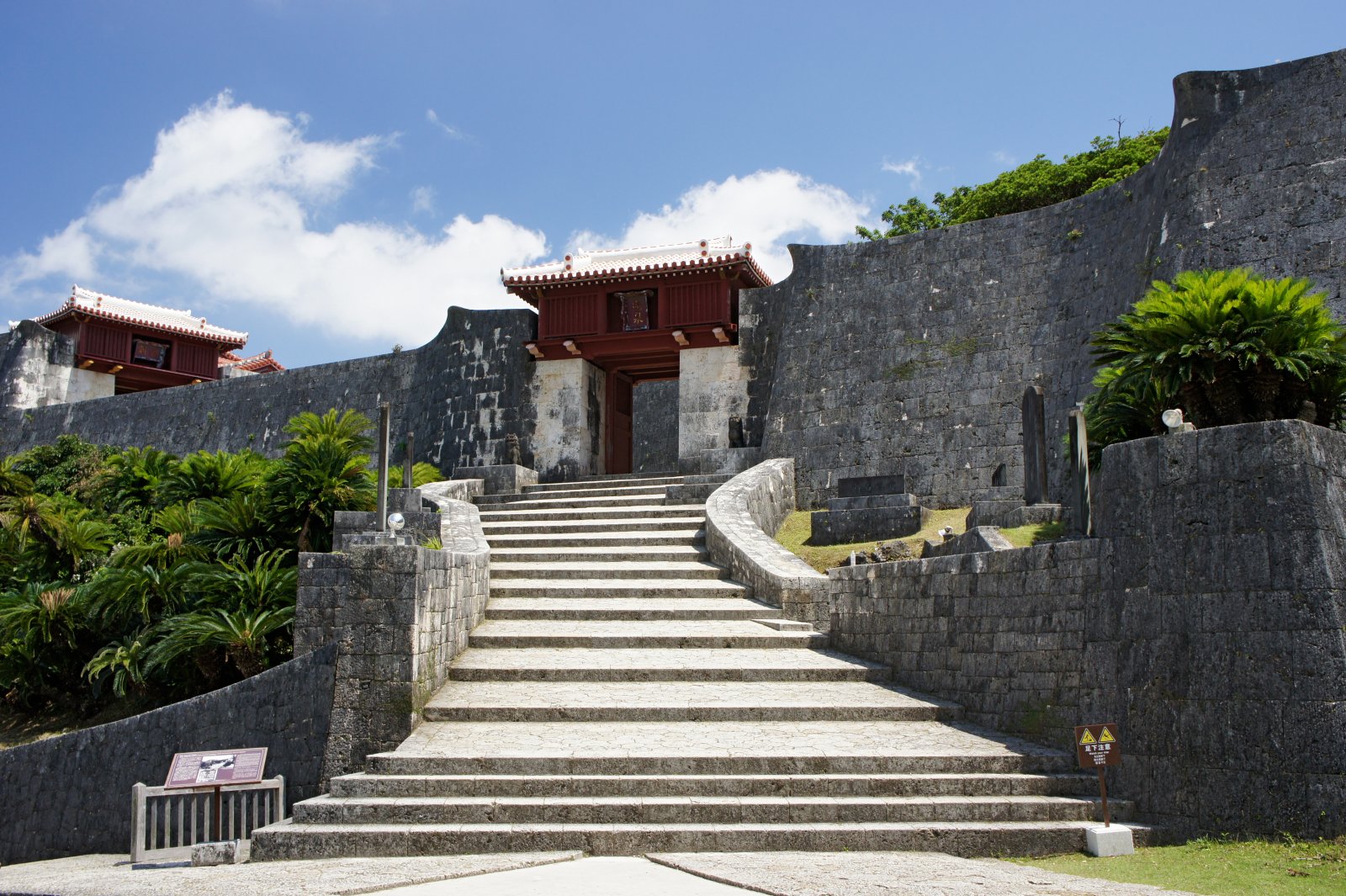
The cultural significance of Shuri Castle extends beyond its architectural beauty. It is a symbol of the Okinawan identity, embodying the traditions and customs of the local people. Throughout the year, various festivals celebrate this rich heritage, with the Shuri Castle Festival being one of the most prominent. Held in October, it features colorful parades, traditional music, and performances, allowing visitors to immerse themselves in the local culture.
Okinawa's gastronomy also reflects its unique cultural tapestry, with local dishes often influenced by Chinese and Japanese cuisine. While in Naha, be sure to savor Okinawa soba, a hearty noodle dish served in a rich broth, often topped with pork and green onions. Another must-try is rafute, braised pork belly that melts in your mouth, and taco rice, a fusion dish featuring taco-flavored ground beef over rice, showcasing the island's culinary creativity. Pair your meals with a glass of Okinawa awamori, a local distilled rice liquor, known for its smooth taste and distinct aroma.
For those willing to dig deeper, several lesser-known curiosities surround Shuri Castle. For instance, the castle’s grounds house a beautiful Shikina-en, a traditional garden that was once the royal retreat. This serene space offers a tranquil contrast to the bustling city and is often overlooked by visitors. Additionally, the story of Shuri Castle is marked by its tragic destruction during the Battle of Okinawa in 1945, a pivotal moment in World War II. The castle's current reconstructions, completed in 1992, serve as a poignant reminder of resilience and revival.
The best time to visit Shuri Castle is during the spring months of March to May or the fall months of September to November when the weather is pleasantly mild. Early morning visits can grant you a quieter experience, allowing you to soak in the grandeur without the crowds. Don’t forget to explore the surrounding district of Shuri, rich with small shops and eateries offering authentic Okinawan experiences.
To truly appreciate the blend of history, culture, and art at Shuri Castle, allow yourself ample time to wander its halls and gardens. Pay attention to the small details, like the intricate carvings and the harmonious layout that embodies the Ryukyu spirit.
Using an app like Secret World can help you create a tailored itinerary to explore all the wonders of Naha-shi, including the majestic Shuri Castle.


