
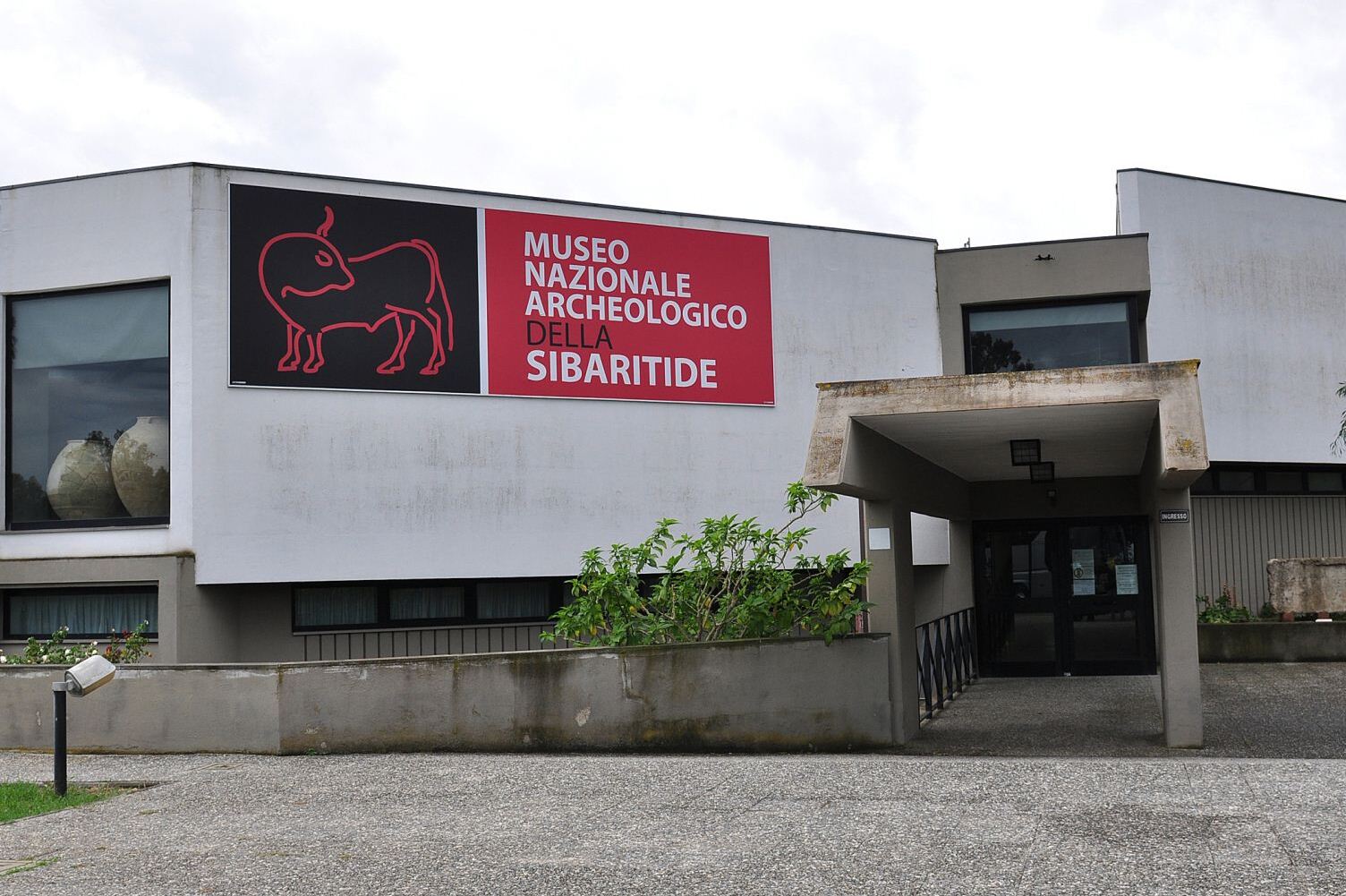

Nestled in the heart of Calabria, Sibari is a treasure trove of ancient history and vibrant culture, where the past whispers through the corridors of the National Archaeological Museum of the Sibaritide. This enchanting museum, strategically located near the archaeological park of ancient Sybaris, serves as a gateway to the rich tapestry of Magna Graecia and Roman civilizations.
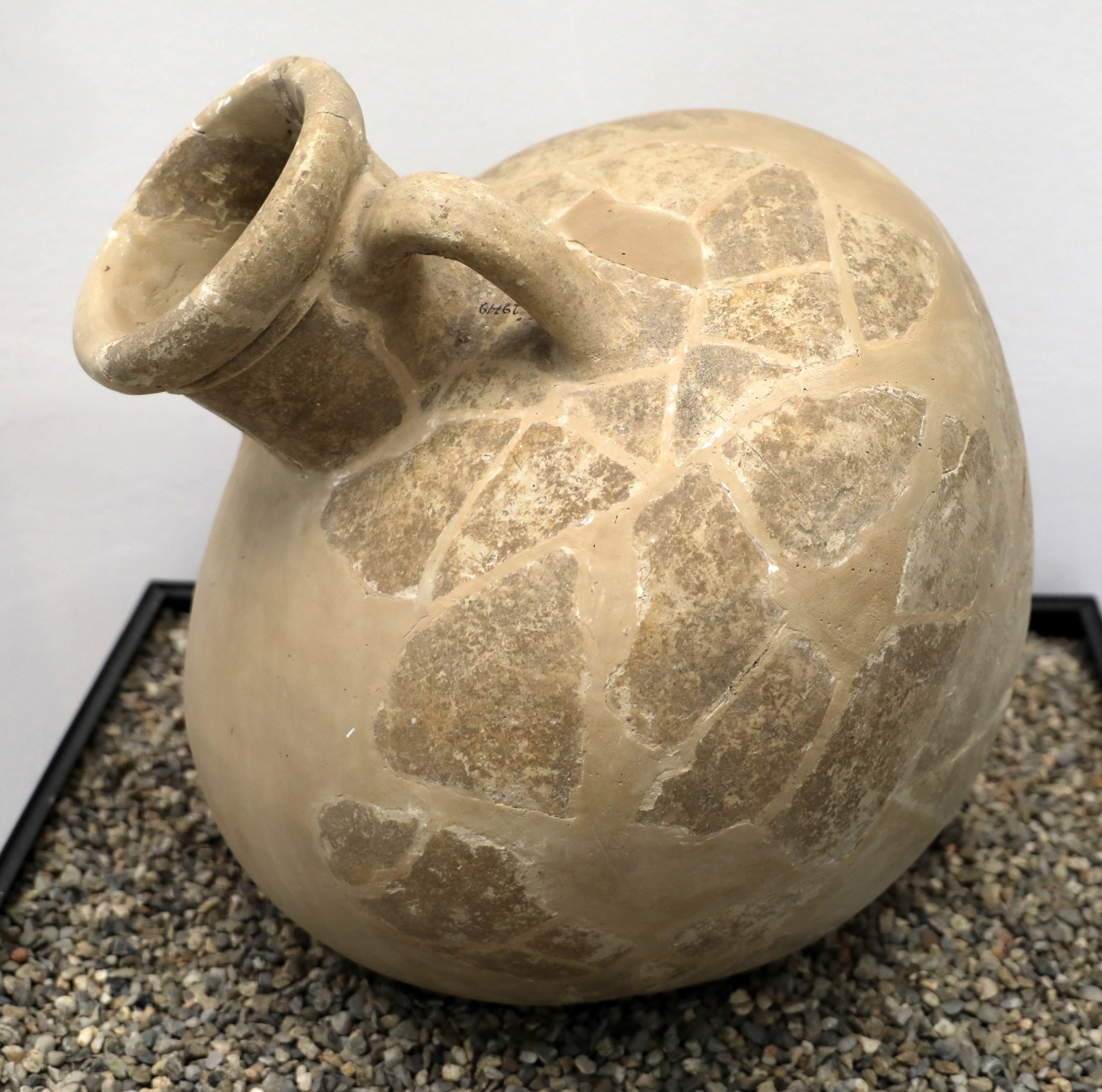
The origins of Sybaris date back to 720 BC, founded by Achaean Greeks from the Peloponnese. It quickly became one of the wealthiest cities in the ancient world, renowned for its opulence and indulgence—a reputation that coined the term 'sybaritic' to describe luxurious excess. The city's downfall came in 510 BC at the hands of Croton, but its legacy endured through the successive settlements of Thurii and Copia.
The museum’s architecture is an elegant fusion of modern design and classical influences, harmoniously reflecting the dual spirit of innovation and tradition. Among the museum's most prized possessions is the bronze table of Kleombrotos, a testament to the athletic prowess of a Sybarite who triumphed at Olympia in the early sixth century BC. This piece, alongside exquisite ceramics and intricate jewelry, offers a glimpse into the artistic and cultural sophistication of the ancient inhabitants.
Sibari’s local culture is steeped in ancient traditions and modern festivities that celebrate its storied past. Each year, the town hosts the Festival of Magna Graecia, a vibrant celebration of music, dance, and theatrical performances, reflecting the area's Hellenic roots. This festival is a must-see for anyone eager to experience the living history of Calabria.
No visit to Sibari would be complete without indulging in its gastronomy. The region is famous for its Cipolla Rossa di Tropea—sweet red onions that elevate local dishes. Pair these with a glass of Ciro, Calabria’s renowned red wine, and savor the flavors that define this part of Italy.
Delve deeper into the museum and discover lesser-known curiosities. Among these is an ancient Oenotrian altar stone, often overlooked but significant for understanding the pre-Greek inhabitants of the region. Another hidden gem is the rarely seen collection of small votive offerings, which reveal personal stories of devotion and daily life in ancient times.
For those planning to visit, the best time to explore Sibari is during the spring and early autumn months when the weather is mild, and the crowds are fewer. Allocate a few hours to fully appreciate the museum's exhibits, and don’t miss the recently opened room with pieces returned from international museums, including the Getty Museum.
To navigate the many wonders of Sibari and craft a personalized itinerary, consider using the Secret World app for a more enriching experience.


