
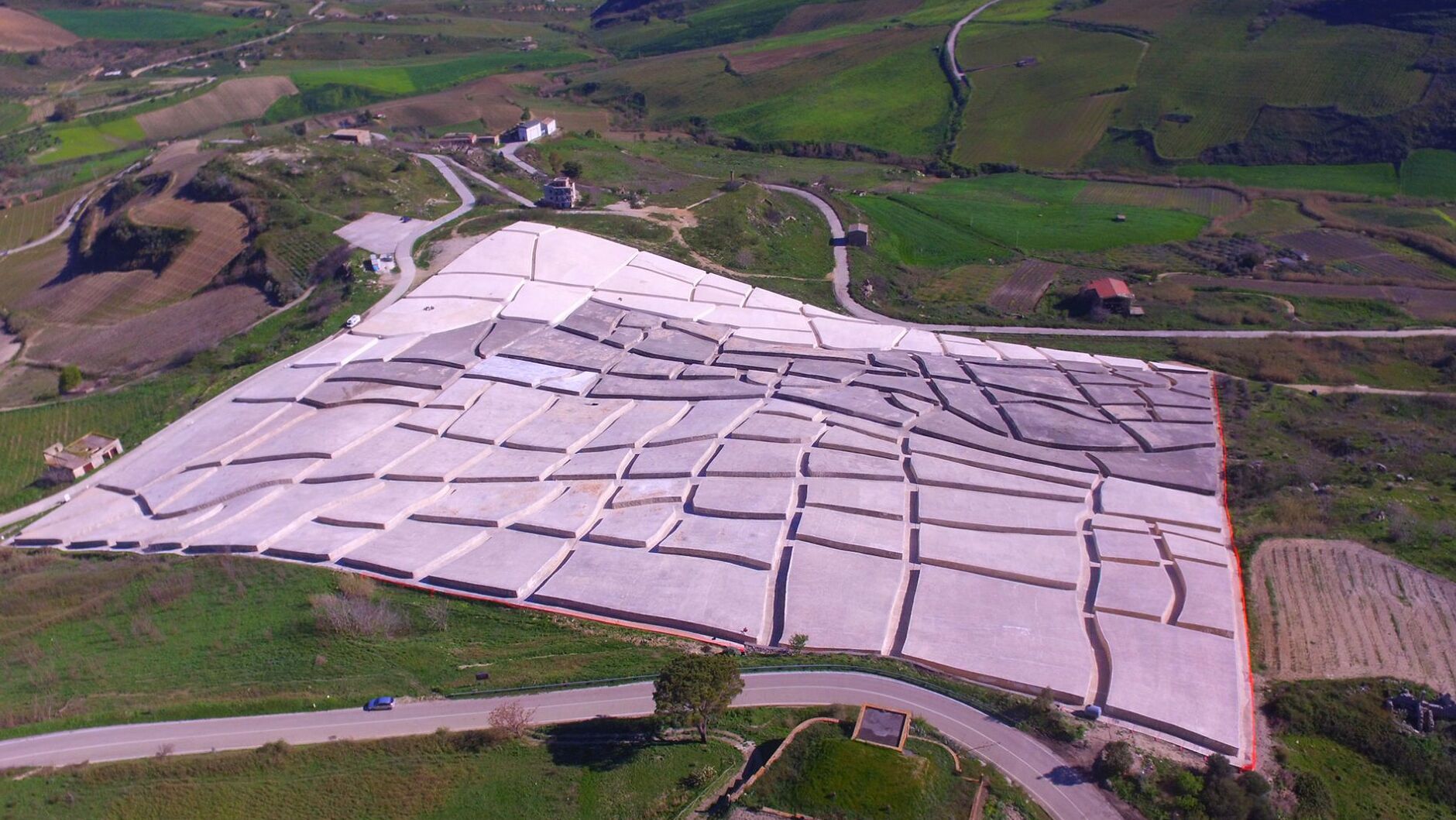

In the heart of Sicily, a monumental tribute to loss and rebirth stands resolutely against the landscape, encapsulating a poignant chapter of history. The Great Cretto of Burri, designed by the eminent artist Alberto Burri, is not merely a work of art; it is a testament to the resilience of a community that once thrived in the now-vanished town of Gibellina.
Founded in 1960, Gibellina was a burgeoning settlement in the Trapani province. However, on January 15, 1968, a devastating earthquake struck the Belice Valley, obliterating the town and leaving behind a haunting tableau of ruins. In the aftermath, the decision was made to relocate the inhabitants to a new town built nearby. Burri’s vision emerged from the rubble of this tragedy, leading to the creation of the Great Cretto between 1985 and 1989.
The Great Cretto, or "Cretto di Burri," spans an impressive 80,000 square meters and is composed of stark white concrete. Burri’s innovative approach involved compacting the rubble of the original Gibellina and encasing it in a massive concrete shell that reflects both the destruction and the essence of the town that once was. This Land Art piece, known locally as the Ruderi di Gibellina, serves as a haunting reminder of the past while inviting contemplation on themes of memory and loss. Visitors are struck by the contrast between the stark modernity of Burri's work and the historical significance it embodies.
Visiting the Great Cretto offers a unique glimpse into the local culture of Gibellina Vecchia. While the new town is filled with modern art installations and vibrant community life, the ruins and the Cretto are steeped in sorrow and resilience. The annual Festa di Santa Rosalia, celebrated in mid-September, draws locals and visitors alike, showcasing traditional music, dance, and the vibrant spirit of the Sicilian people. This festival honors the town’s patron saint and reflects the cultural importance of community and remembrance, bridging the past and present.
Gastronomically, the region surrounding Gibellina boasts a rich array of traditional Sicilian cuisine. Visitors can indulge in couscous alla Trapanese, a dish that reflects the island's North African influences, or savor arancini, crispy rice balls typically filled with meat or cheese. The local Marsala wine, renowned for its rich flavors, is a must-try, often enjoyed as an accompaniment to cannoli, a classic Sicilian dessert. These culinary experiences are a vital part of enjoying the local culture, as food in Sicily tells stories of heritage and tradition.
For those intrigued by lesser-known curiosities, the Great Cretto has gained attention not only for its artistic significance but also for its role in various cultural narratives. Burri’s decision to transform ruins into a monumental artwork was controversial at the time, stirring debates about the role of art in memorializing tragedy. Additionally, the Cretto has been featured in films and documentaries, introducing it to a wider audience and emphasizing its unique blend of art and history.
When planning a visit to the Great Cretto, the best time to go is during the spring or fall months, when the weather is mild, making for a comfortable exploration of the site. It is advisable to wear sturdy shoes, as the terrain can be uneven, and to bring water to stay hydrated while wandering through the expansive concrete landscape. Look for the subtle inscriptions and variations in the surface of the Cretto, which tell stories of the town and its inhabitants lost to time.
In addition to Burri's monumental work, visitors might explore the nearby town of Gibellina Nuova, which features contemporary architecture and art installations, making it a fascinating juxtaposition to the solemnity of the Cretto. Engaging with the locals can also provide insights into the town's vibrant traditions and the ongoing efforts to preserve its history.
The Great Cretto of Burri is not just a site of remembrance; it is a living canvas that reflects the enduring spirit of a community shaped by both tragedy and artistry. To truly appreciate its depth, consider utilizing the Secret World app to craft a personalized itinerary that allows you to explore the poignant history and rich culture of Gibellina Vecchia.


