
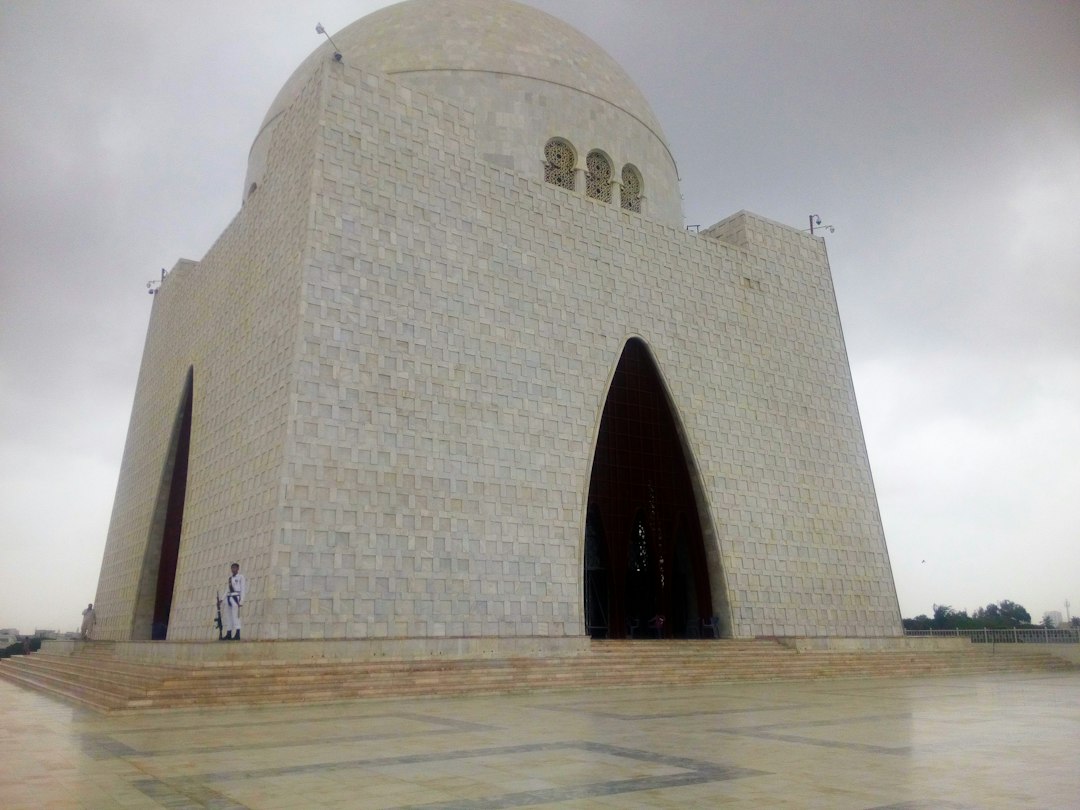

The octagonal minaret rises from the rock like an ancient signal, visible from almost every corner of Le Kef. It is the first thing that catches the eye when arriving in this inland Tunisian city, perched on a plateau about 780 meters above sea level, less than 40 kilometers from the Algerian border. Few foreign tourists venture this far, and that is exactly why it is worth doing.
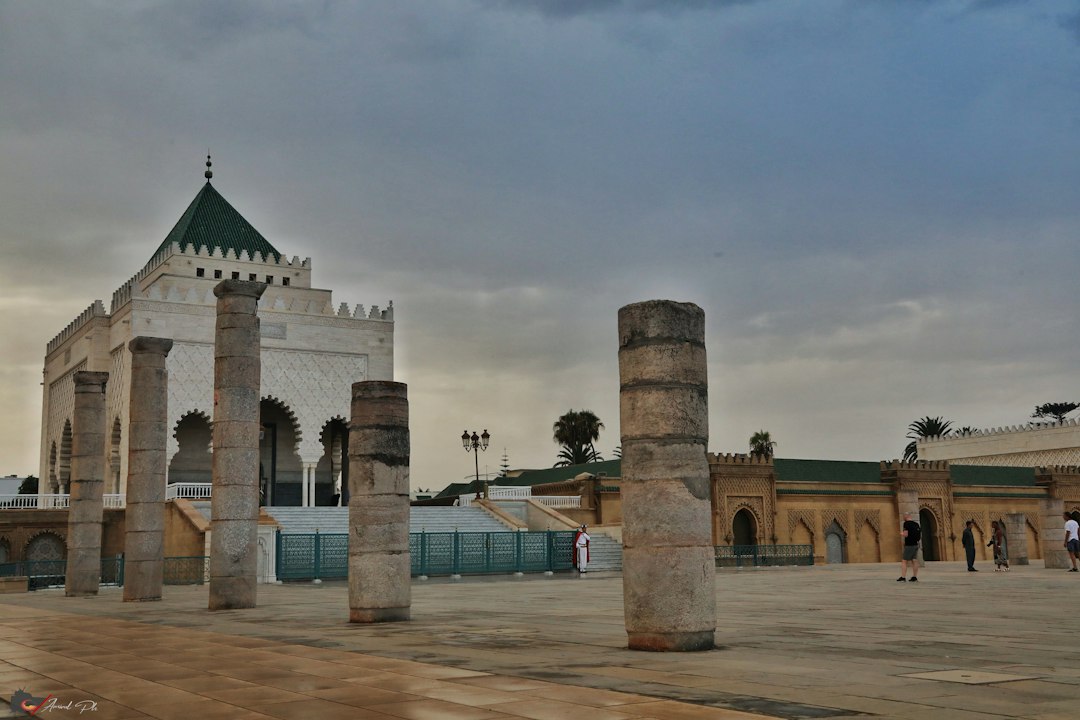
The Mausoleum of Sidi Bou Makhlouf is a religious complex built in the 17th century, during the height of the Ottoman era, dedicated to a local saint revered by the population. The structure includes a mosque, a series of white domes covering the burial chambers, and that octagonal minaret which has become the most recognizable architectural symbol of the entire city. Walking towards it along the cobbled streets of the medina means immersing oneself in a daily life that has not yet learned to perform for visitors.
Ottoman architecture in the heart of Tunisia
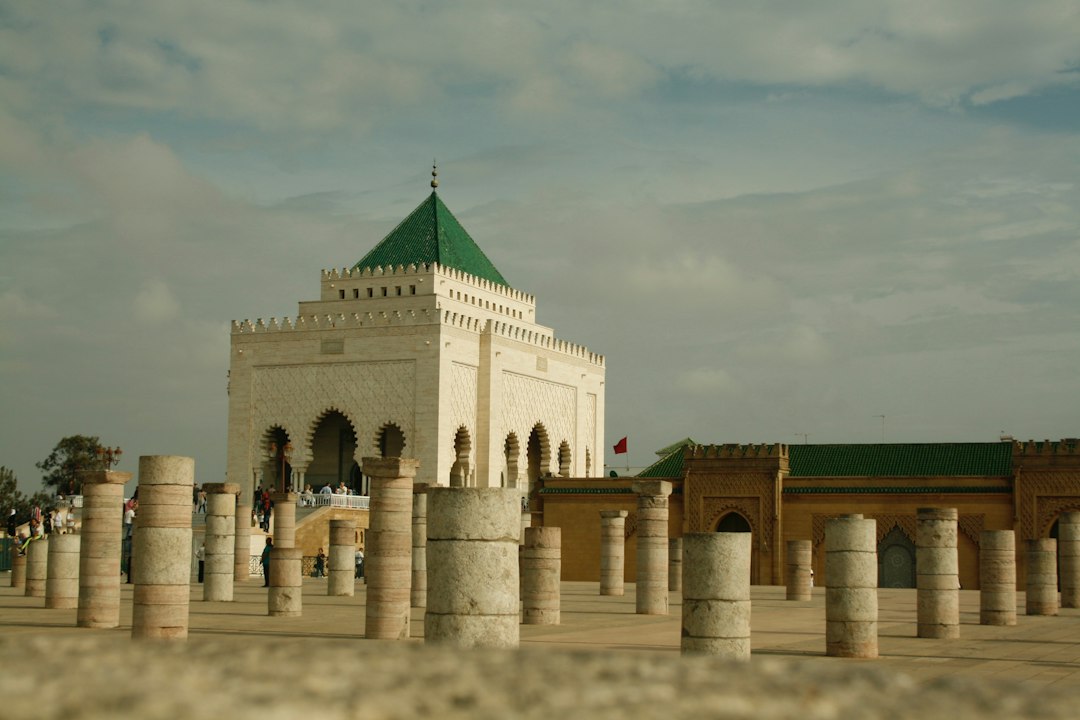
What makes this complex visually unique in the Tunisian landscape is precisely the shape of the minaret: octagonal, a stylistic choice that reflects the Ottoman influence of the period, distinct from the more common square minarets in the Maghreb tradition. The local stone used in the construction has taken on a warm hue over time, between beige and honey, which ignites with golden reflections at sunset. Observing the structure up close, one notices geometric decorations carved into the stone around the openings of the minaret, sober yet precise.
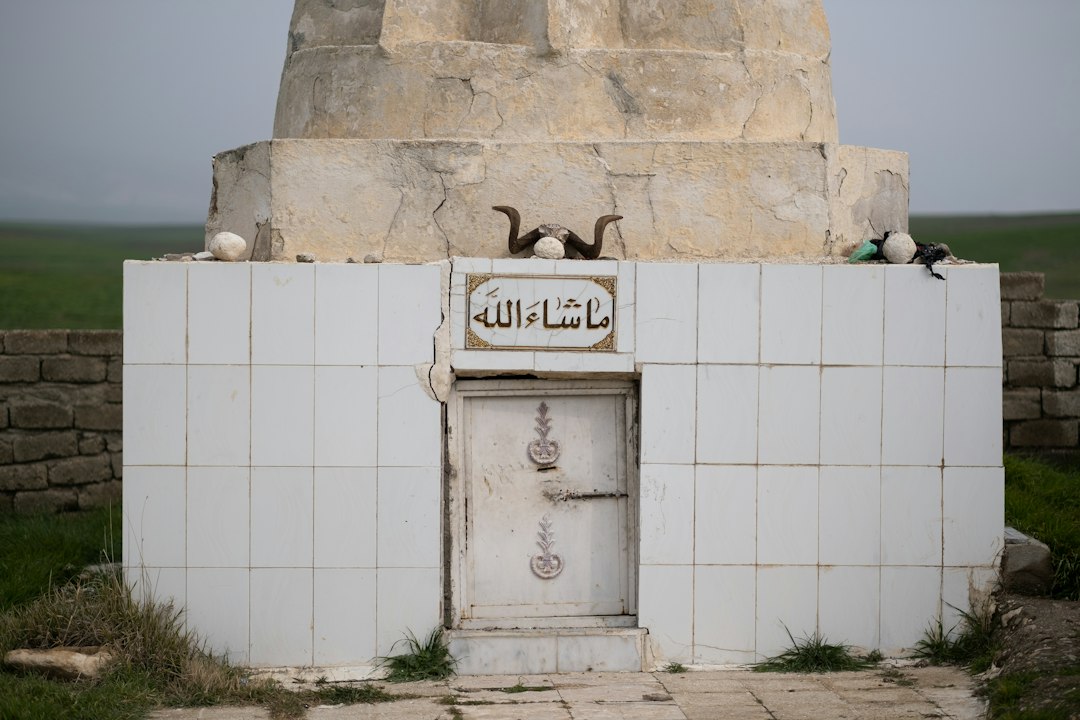
The domes of the actual mausoleum are covered with white plaster that contrasts with the green of the spontaneous vegetation that has grown along the perimeter walls. Inside, the burial chambers house the tombs of local saints, covered with colorful drapes according to North African tradition. The atmosphere is intimate, silent, with natural light filtering through small windows and creating plays of shadow on the thick walls. It is not a museum: it is a place still alive, frequented by residents who come to pray or simply to linger.
Le Kef, the city that tourism has forgotten
Le Kef does not appear in the standard itineraries of Tunisia, dominated by Tunis, Carthage, Sidi Bou Said, and the beaches of Hammamet. This absence is both its main flaw and its most precious quality. The city retains a well-preserved Ottoman kasbah, Roman ruins, and a population accustomed to living without the economy of mass tourism. Walking through its streets means being observed with genuine curiosity, not with the professional indifference of those who live off foreigners.
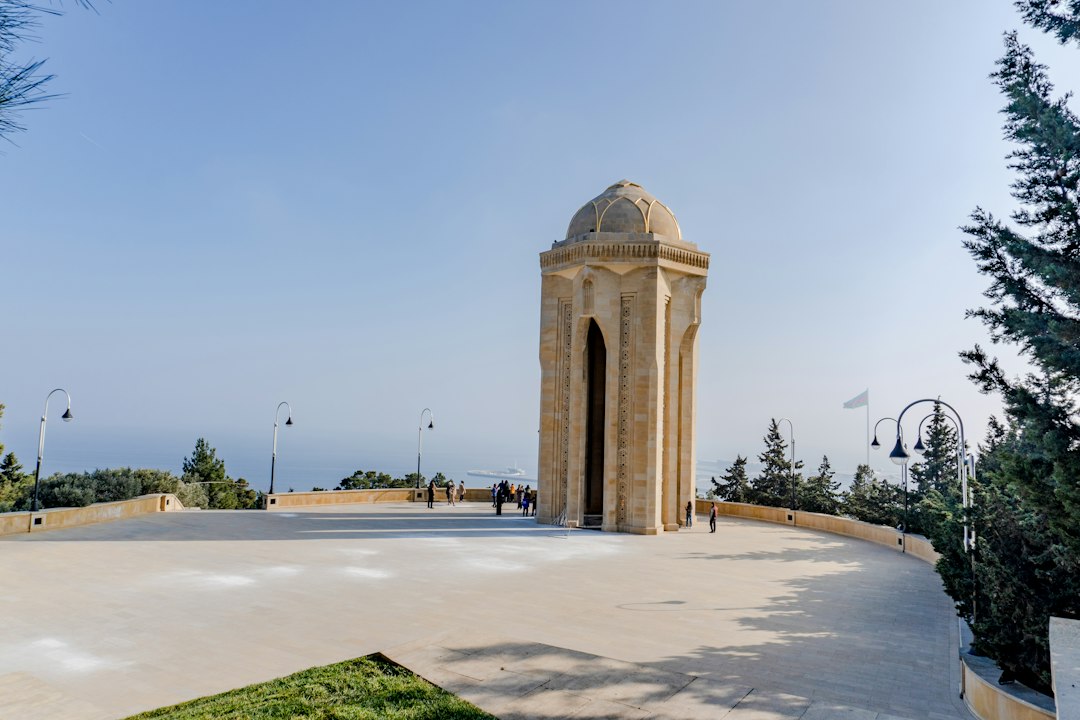
The mausoleum is located in the upper part of the medina, reachable on foot from the center in about ten minutes of uphill walking. There is no entrance fee to visit the exterior and the common areas of the complex. For access to the more internal areas, it is advisable to respectfully ask any present guardians, dressing appropriately — shoulders covered and, for women, a scarf for the hair. The visit typically takes between 20 and 40 minutes, but those who want to photograph the minaret from different angles may linger longer.
When to go and how to organize the visit
The best time to visit the mausoleum is early in the morning or late in the afternoon, when the slanting light enhances the textures of the stone and the temperatures are milder. Le Kef is located in the Tunisian hinterland, where summers can be very hot and winters cold: spring and autumn are the most comfortable seasons for exploring the city on foot.
To reach Le Kef from Tunis, the most practical solution is the bus from the national company SNTRI, with departures from the Bab Saadoun bus station. The journey takes about three and a half hours. Alternatively, the louage — the collective taxis typical of Tunisia — offer a more flexible option in terms of schedules, although less predictable. Once in the city, the mausoleum is only accessible on foot, which means you need to be prepared to tackle some uphill paths on uneven cobblestone streets.
What to Observe Carefully
Anyone visiting the complex should take a few minutes to observe the details that are lost in a hurried visit. The zellij tiles present in some areas of the interior, the intricately carved capitals that support the porticoes, and especially the view that opens from the mausoleum area towards the underlying plain: a landscape of fields and hills that seems unchanged for centuries. It is in this contrast — between the elaborate 17th-century architecture and the simplicity of the surrounding landscape — that the most authentic sense of this place is found.
The mausoleum of Sidi Bou Makhlouf does not offer audioguides, explanatory panels in foreign languages, or souvenirs. It offers something rarer: the opportunity to be in a beautiful and meaningful place without anyone trying to sell you something.


