


The fishermen's boats are moored a few meters from the shore, painted blue and white, with the nets spread out to dry under the morning sun. In Sidi Mansour, a small coastal locality in Tunisia overlooking the Gulf of Gabès, time seems to flow at a different pace. Here there are no resorts with entertainment nor umbrellas in a row: just a strip of fine sand, shallow turquoise waters, and a few Tunisian families spending the afternoon by the sea.

Sidi Mansour is located near the Kerkennah Islands archipelago, a group of flat and low-lying islands about 20 kilometers from the city of Sfax, the second largest city in Tunisia by population. The geographical position of this area, in the Gulf of Gabès, determines some of the most distinctive features of the local sea: the tides in this gulf have one of the highest ranges in the Mediterranean, which contributes to the extraordinary shallowness of the coastal waters and their temperature, particularly warm in the summer months.
The color of the water and the sand of Sidi Mansour

Those who arrive at the beach of Sidi Mansour in the early hours of the morning find a chromatic landscape that is hard to forget. The water shifts from light green near the shore to a saturated turquoise out at sea, with shades that change depending on the angle of sunlight. The sand is light, with a compact grain that makes it pleasant to walk on barefoot, and in some areas it mixes with small fragments of shells.
The palms lining the coastline cast long shadows in the late afternoon, creating a strong visual contrast with the dazzling white of the sand. This is not artificially planted vegetation to beautify a resort: the palms are part of the natural and agricultural landscape of this part of Tunisia, where date cultivation has ancient roots. Walking along the shore, one can directly observe the traditional fishing boats of the local fishermen, some still built using artisanal methods passed down from generation to generation.

The traditional fishing and the context of the Kerkennah Islands
The Kerkennah Islands are known in Tunisia for a traditional fishing technique called charfia, which uses woven palm fences placed in the sea to guide fish towards the nets. This practice, recognized as part of the local cultural heritage, is also visible in the waters around Sidi Mansour, where the palm structures emerge from the shallow water like almost sculptural elements in the marine landscape. Observing them up close, perhaps during a walk along the coast early in the morning, is one of the most authentic experiences that this stretch of coast can offer.
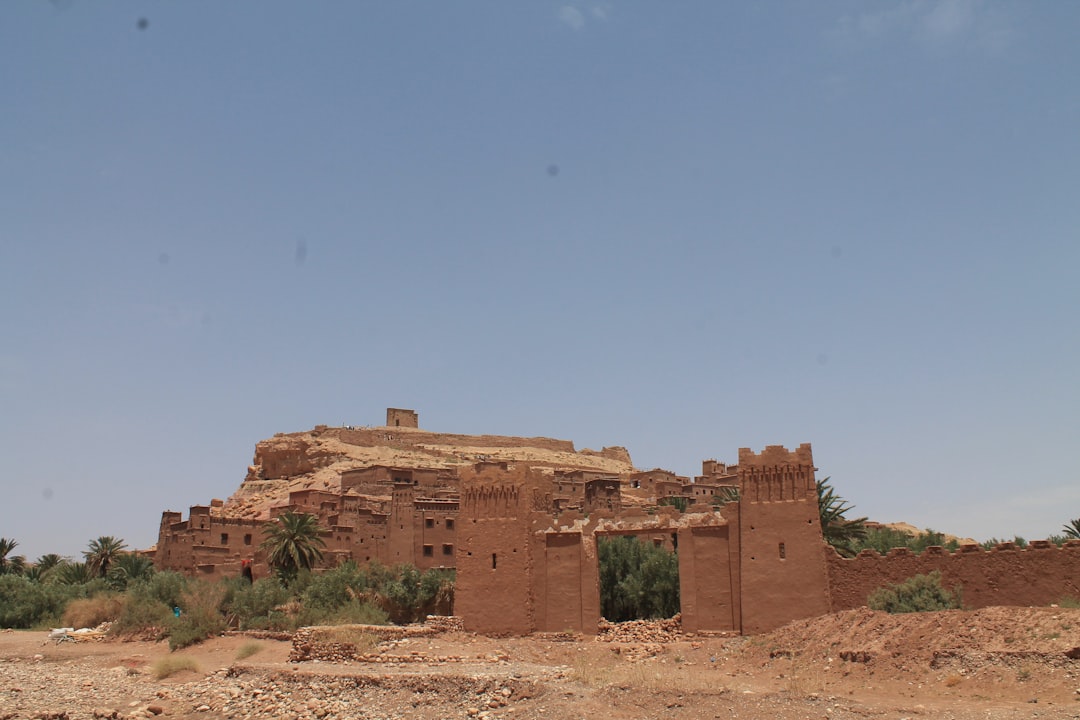
Sfax, the nearest city and main access point to the area, preserves a historic medina with walls dating back to the Arab medieval period. Ferries to the Kerkennah Islands depart regularly from Sfax, and Sidi Mansour can be reached by traveling along the coast from the city. The distance between Sfax and the coastal area of Sidi Mansour is short, making it accessible even without a private vehicle, although local taxis remain the most practical option for those who do not want to rely on public transport.
Atmosphere and local life

What makes Sidi Mansour different from many more frequented Tunisian beaches is the almost total absence of international tourist infrastructure. There are no large hotels on the waterfront, no persistent street vendors, nor facilities designed for mass tourism. The beach is mainly frequented by Tunisian families and young people, especially on weekends and during the months of July and August.
This local dimension gives the place an authenticity that is increasingly rare on the Mediterranean coasts. Conversations take place in Tunisian Arabic and French, and the welcome towards foreign visitors is generally friendly and curious. It is advisable to bring water and something to eat, as the refreshment points in the immediate vicinity of the beach are limited and not always open out of season.
Practical tips for visiting Sidi Mansour
The best time to visit the beach is early in the morning, when the light is softer, the heat is still bearable, and the presence of other visitors is minimized. The months of May, June, and September offer a good compromise between pleasant temperatures and already warm sea, avoiding the peak crowding of July and August. From Sfax, it is possible to reach the area by taxi, agreeing on the price before departure as is customary in Tunisia.
What to bring: high sunscreen, plenty of water, sandals suitable for walking on sand and in shallow water. The very shallow waters make the beach suitable even for those who do not swim well or for families with small children. Avoid the central hours of the day between June and August, when temperatures on the coast can exceed 35 degrees Celsius.


