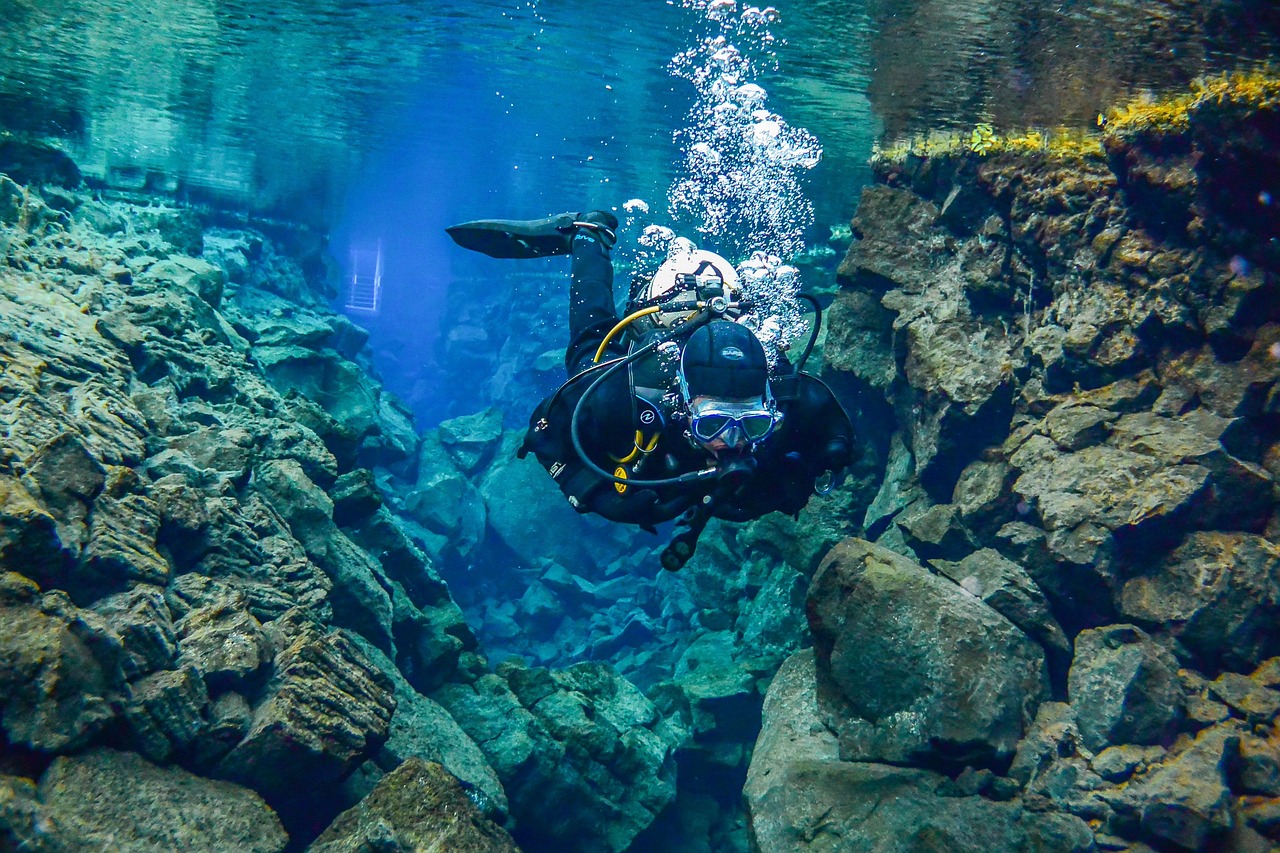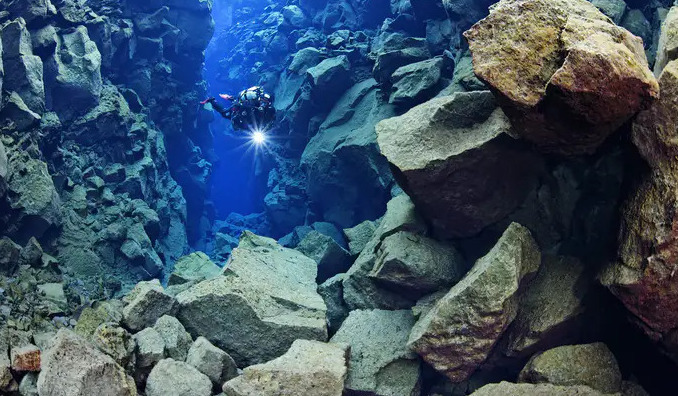

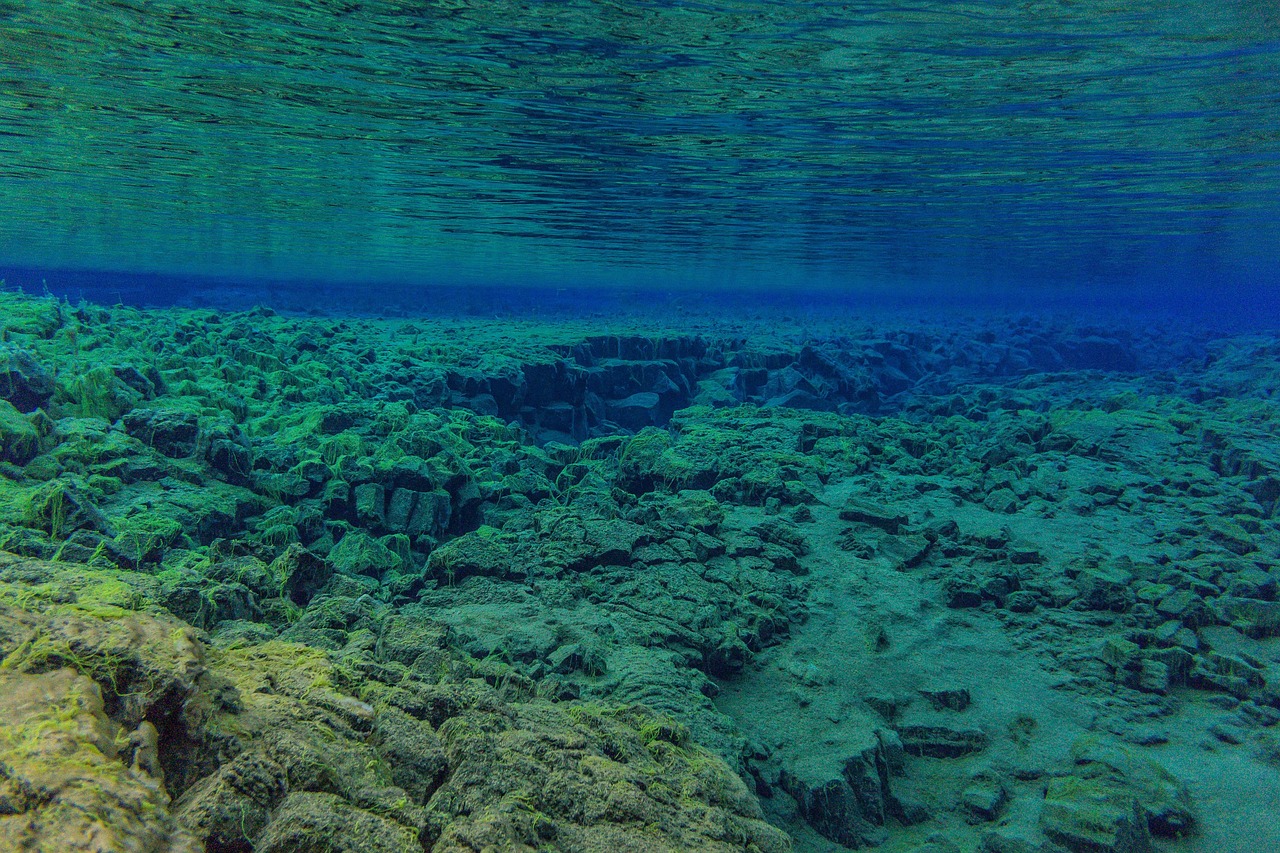
The Silfra Rift is a mesmerizing natural phenomenon located in Iceland, where the North American and Eurasian tectonic plates drift apart. This unique geological feature, measuring approximately 600 by 200 meters, offers visitors an extraordinary opportunity to snorkel in crystal-clear waters while literally floating between two continents.
### History and Origins The Silfra Rift has a fascinating geological history that dates back thousands of years. Formed in the wake of the Icelandic rift, which began approximately 20 million years ago, the rift symbolizes the dynamic forces at work beneath the Earth's crust. The area is part of the Thingvellir National Park, a UNESCO World Heritage Site, which has been significant to Iceland's history since the Althing—the world's oldest parliament—was established here in 930 AD. The rift itself began to take shape as the tectonic plates shifted, creating a dramatic landscape that has captivated explorers and scientists alike.
### Art and Architecture While the Silfra Rift is primarily a natural wonder, the surrounding Thingvellir National Park features several notable sites of historical architecture. The park is home to remnants of the old parliament, including stone structures and the Lögberg, or Law Rock, where laws were proclaimed. The stark beauty of the landscape, with its rugged cliffs and clear waters, has inspired artists and photographers, making it a canvas for capturing the unique interplay of light and nature.
### Local Culture and Traditions Icelandic culture is deeply intertwined with its natural landscapes, and the Silfra Rift is no exception. The area is steeped in folklore, with tales of elves and spirits believed to inhabit the land. In the summer months, local festivals celebrate the connection to the earth and water, with events centered around sustainability and environmental awareness. The Þjóðhátíð festival, celebrated in nearby Vestmannaeyjar, is a vibrant example of Icelandic culture, showcasing traditional music, dance, and culinary delights.
### Gastronomy While the Silfra Rift itself doesn’t offer direct food experiences, the nearby region boasts traditional Icelandic cuisine that reflects the land's resources. Visitors can enjoy harðfiskur (dried fish), skyr (a thick yogurt), and hákarl (fermented shark), all of which are staples in Iceland. Many restaurants in the nearby town of Selfoss serve local dishes, allowing visitors to savor Icelandic flavors after a day of snorkeling.
### Lesser-Known Curiosities One fascinating aspect of the Silfra Rift is its incredible water clarity, often exceeding 100 meters, thanks to the glacial meltwater filtered through volcanic rock. This exceptional clarity allows snorkelers and divers to see underwater rock formations and vibrant aquatic life up close. Additionally, the unique temperature of the water, around 2-4°C (36-39°F) year-round, provides a refreshing challenge for adventurers. Despite its popularity, many tourists miss the chance to explore the lesser-known Skrúður area, a hidden gem nearby that offers stunning views of the rift from above.
### Practical Visitor Information The best time to visit the Silfra Rift is during the summer months, from June to September, when the weather is milder and the days are longer. It’s advisable to book a snorkeling tour in advance, as spots can fill up quickly, particularly in peak season. If you’re planning a visit, ensure you wear the appropriate thermal gear, as the water can be quite cold, and consider bringing an underwater camera to capture the breathtaking views.
As you prepare for your adventure in this unique geological wonder, don’t forget to take advantage of the Secret World app to personalize your itinerary and make the most of your visit.