
🎄 Win a month in Italy for two — €10,000 · The Secret Italy Prize GO →
Silk Museum | Real Belvedere of San Leucio — Caserta
← Back
Art, Theaters and Museums 📍 Caserta, Italy 170 views

Silk Museum | Real Belvedere of San Leucio

The Silk Museum of the Real Belvedere of San Leucio adheres to the event with visits, exclusively guided. During the visits, a large space will be dedicated to the life of the factory and the history of the Leucian colony, also making comparisons with other contemporary European...

Silk Museum | Real Belvedere of San Leucio — Caserta, Italy.

Location
Caserta
Type
Art, Theaters and Museums
Opening hours
Weather now
↗ Directions

About Silk Museum | Real Belvedere of San Leucio

Silk Museum | Real Belvedere of San Leucio - Caserta | Secret World Trip Planner

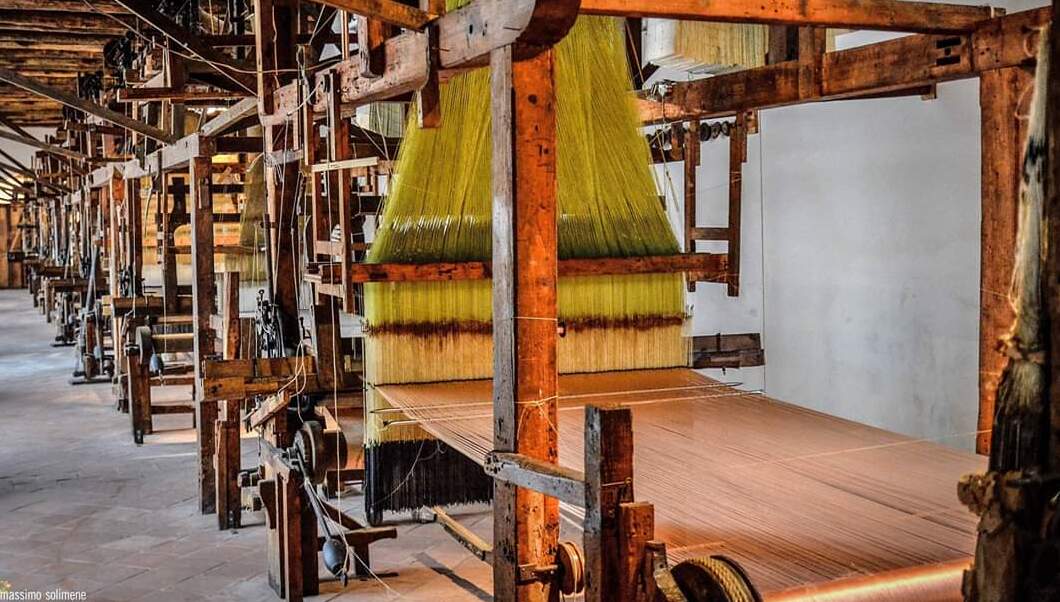
The Silk Museum of the Real Belvedere of San Leucio adheres to the event with visits, exclusively guided. During the visits, a large space will be dedicated to the life of the factory and the history of the Leucian colony, also making comparisons with other contemporary European manufacturing activities, thus adhering to the theme "The Art of sharing" indicated by the Council of Europe for this edition. Elected World Heritage Site by UNESCO in 1997, together with the Royal Palace and the Carolingian Aqueduct, the Monumental Complex of the Belvedere of San Leucio is located in the homonymous hamlet of the municipality of Caserta. Starting in 1773, at the behest of Ferdinand IV of Bourbon King of Naples, the sixteenth century Palagio di Belvedere was transformed into a full cycle silk manufacturing centre, the only case in Europe of a factory inside a royal residence. The architect in charge of the works was Francesco Collecini, a pupil of Luigi Vanvitelli. The original idea of the creation of "Ferdinandopoli" (an ideal city inspired by the principles of equality with theatre, hospital, cathedral, green areas and compulsory school) was unfortunately only partially realized, but the ideas of Enlightenment renewal were sanctioned by the king in the "Code of Laws" a revolutionary normative act for the time. Thus was born in 1789 the Royal Silk Colony of San Leucio. In this community there were no class differences: everyone was an artist, everyone was equal, they distinguished themselves only for their expertise in textile art. Soon the fame and beauty of the refined and precious silk fabrics (damasks, lampas, liserè and brocades) produced in the colony crossed the borders of the State and brought these artefacts to the most prestigious European courts. Even today, Leucian silks can still be found at the Vatican, at the Quirinale, in the Oval Room of the White House. Fallen slowly into a state of abandonment since the 60s of 1900, after an important restoration work the Palace finally reopened to the public in the year 2000. Today, inside the Palace, it is possible to visit the Silk Museum, which contains all the machinery and equipment of the time used in the silk working phases; the Royal Apartment, decorated by the first court painter, Philiph Hackert, by Fedele Fischetti, by Giuseppe Cammarano, by Carlo Brunelli; the Royal Terraced Gardens.

✦ Secret World · suggested day

A perfect day in Caserta

Start with Silk Museum | Real Belvedere of San Leucio, then continue with nearby places selected by Secret World.

  1. 01
    Morning
    Silk Museum | Real Belvedere of San Leucio
    📍 Caserta
    Start here
  2. 02
    Afternoon
    📍 3.2 km away
  3. 03
    Evening
    📍 3.3 km away

Collect this place

Turn places you discover into stamps in your Secret Passport.

Open Secret Passport →

Keep exploring · Caserta

Frequently Asked Questions

The Real Belvedere of San Leucio is the only case in Europe of a full-cycle silk manufacturing centre located inside a royal residence. Starting in 1773 under Ferdinand IV of Bourbon, the sixteenth-century Palagio di Belvedere was transformed into a complete silk factory, producing world-renowned fabrics like damasks, lampas, and brocades that were sent to prestigious European courts, including the Vatican and the White House.
All visits to the Silk Museum are exclusively guided tours, ensuring visitors receive detailed information about the facility. The museum is located in the hamlet of San Leucio within the municipality of Caserta, and guided visits provide insights into both the factory operations and the history of the Leucian silk colony.
Founded in 1789, the Royal Silk Colony of San Leucio was created by King Ferdinand IV as part of his vision for 'Ferdinandopoli,' an ideal city embodying Enlightenment principles with no class distinctions. The colony was revolutionary for its time, with a 'Code of Laws' that established equality among workers, who were all considered artists distinguished only by their expertise in textile art rather than social rank.
Yes, the Monumental Complex of the Belvedere of San Leucio was elected a UNESCO World Heritage Site in 1997, along with the Royal Palace and the Carolingian Aqueduct. This recognition acknowledges its historical, architectural, and cultural significance as a unique example of royal manufacturing heritage in Europe.
The colony produced refined and precious silk fabrics including damasks, lampas, liserè, and brocades that became famous throughout European courts. Leucian silks can still be found in prestigious locations today, including the Vatican, the Quirinale Palace in Italy, and even the Oval Room of the White House in Washington, D.C., testament to their enduring quality and prestige.

Experiences nearby · Caserta

Powered by Viator

See more on Viator.com

Secret World Hidden places, real stories — plan your trip
Get the app
