



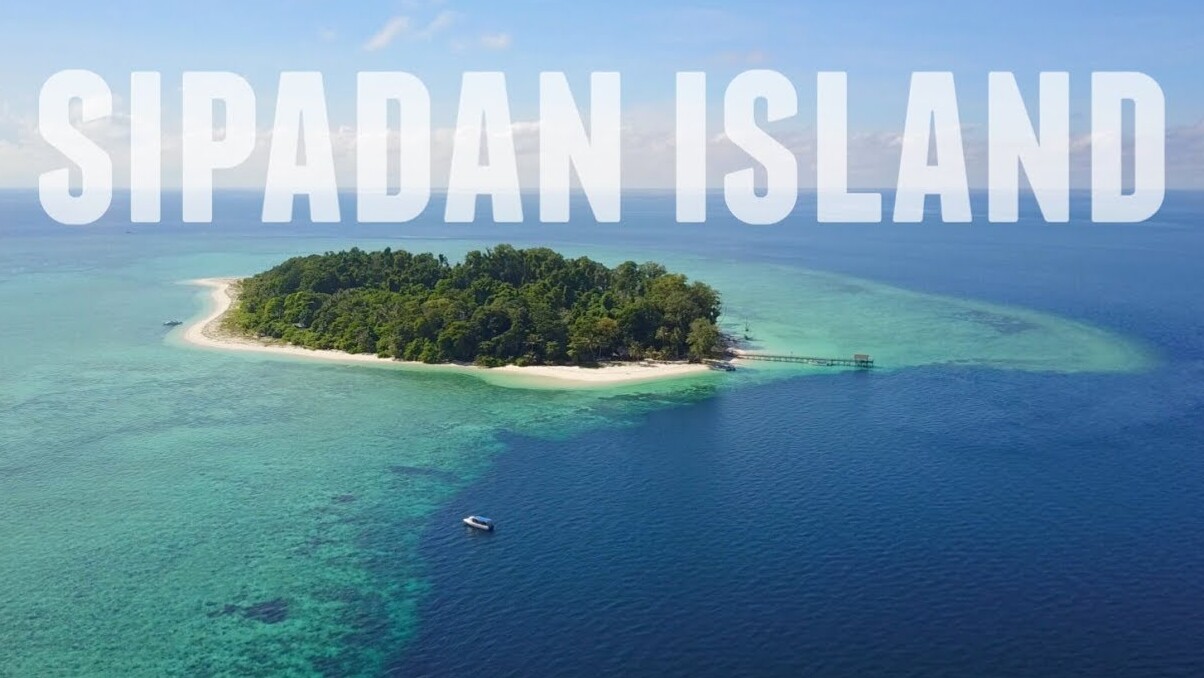
Nestled in the Celebes Sea, Sipadan Island stands as a breathtaking marvel, often hailed as the seventh wonder of the underwater world. This tiny island, just 12 hectares in size, is renowned for its rich marine biodiversity, including green turtles, hawksbill turtles, and schools of barracudas. However, beneath its stunning waters lies a rich tapestry of history, culture, and unique experiences waiting to be explored.
### History and Origins Sipadan Island has a storied history that dates back to ancient times. Originally inhabited by the Bajau Laut people, known as sea gypsies, the island has long been a crucial stopover for traders navigating the Sulu Sea. The British first charted Sipadan in the late 19th century, and it became a part of British North Borneo. The island's strategic importance was underscored during World War II, when it served as a base for Japanese forces.
In 2004, Sipadan was recognized as a protected area, reflecting its ecological significance. The government’s decision to limit diving permits to just 120 per day has helped preserve its delicate marine environment, ensuring that future generations can enjoy its mesmerizing underwater landscapes.

### Art and Architecture While Sipadan is primarily famous for its underwater beauty, its architecture tells a story of resilience and adaptation. The island is home to several rustic wooden chalets and diving resorts, intricately designed to blend with the natural landscape. The local architecture primarily utilizes materials that are sustainable and indigenous to the region, showcasing the close relationship between the Bajau Laut culture and their environment.
Notable artworks can be found in these resorts, where local artisans create vibrant handicrafts that reflect the vibrant marine life surrounding the island. These artworks, often made from recycled materials, highlight the community’s commitment to conservation and creativity.
### Local Culture and Traditions The culture of Sipadan is heavily influenced by the Bajau Laut traditions, which celebrate a deep connection to the sea. Fishing, boat-making, and sea-related activities are integral to their way of life. Festivals such as the Sea Festival celebrate their maritime heritage, featuring traditional dances, music, and culinary delights.
Visitors may witness local customs, such as the Kenduri, a communal feast thanking the sea for its bounty. Although Sipadan itself has limited permanent residents, nearby communities uphold these vibrant traditions, inviting travelers to partake in their rich cultural tapestry.
### Gastronomy Sipadan's culinary offerings are as diverse as its marine life. The local diet predominantly features seafood, with dishes such as ikan bakar (grilled fish) and sotong (squid) being staples. The proximity to the sea ensures that meals are fresh and flavorful, often accompanied by nasi lemak or nasi goreng, traditional rice dishes that reflect the region's Malay influences.
Additionally, visitors can enjoy tropical fruits like mangosteen and rambutan, which are commonly found in local markets. Sipadan’s culinary scene is enhanced by the charming beachside cafes that offer stunning views of the ocean, creating an unforgettable dining experience.
### Lesser-known Curiosities While many tourists flock to Sipadan for its diving opportunities, few know about its unique marine conservation initiatives. The island is home to marine protected areas that are part of a larger effort to rehabilitate coral reefs and safeguard marine species. Engaging with local conservationists can unveil fascinating insights into these efforts.
Another hidden gem is the Sipadan Water Village, a floating settlement that showcases the traditional lifestyle of the Bajau Laut. This village is accessible only by boat and provides an authentic glimpse into the life of the sea people, away from the bustling tourist spots.
### Practical Visitor Information The best time to visit Sipadan Island is during the dry season, from April to December, when visibility is at its peak for diving enthusiasts. It is advisable to book diving permits in advance, as the daily limit can fill up quickly. Visitors should also consider staying in nearby Semporna for easier access to the island.
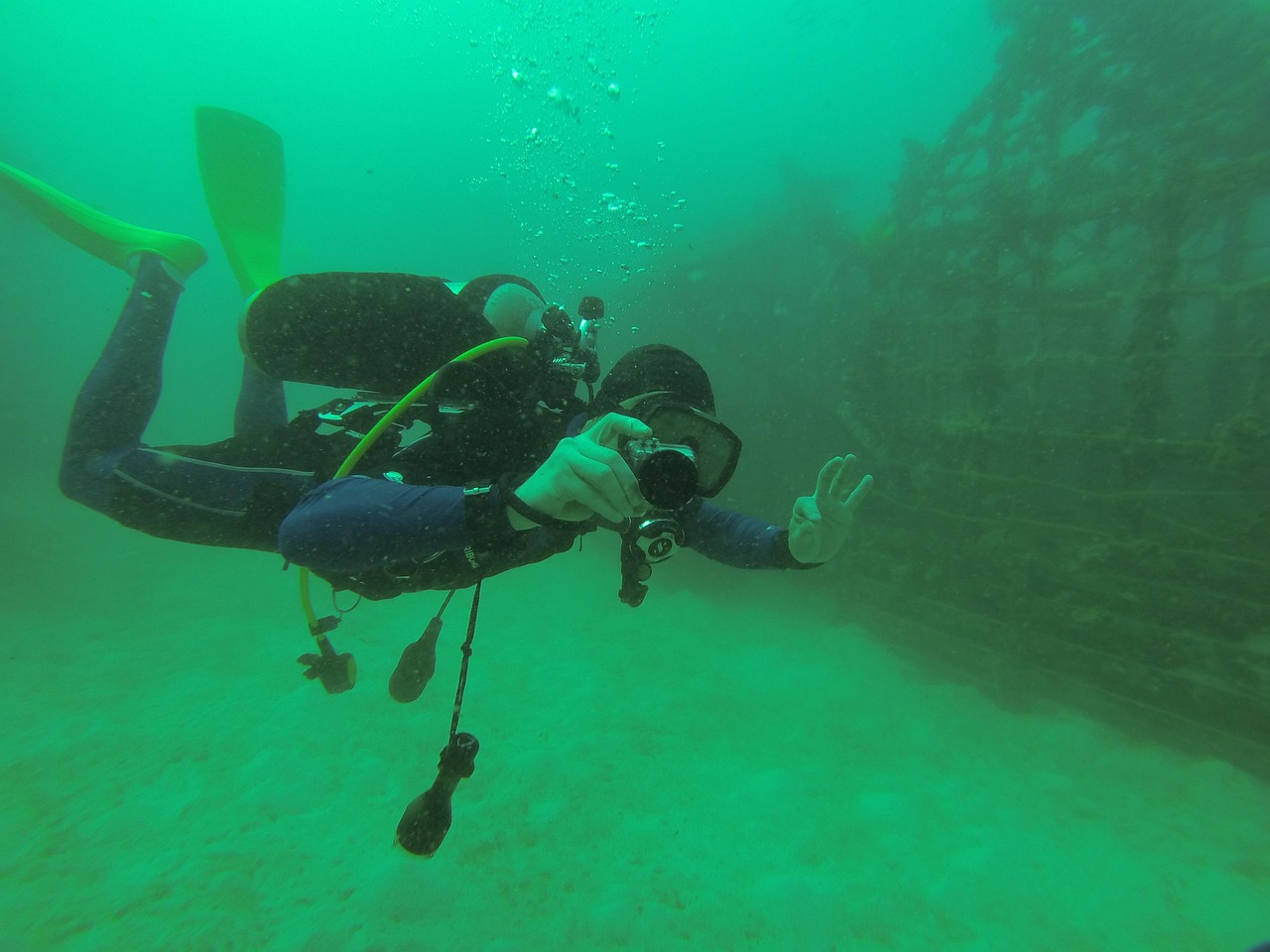
When planning your dive trips, look out for places like Barnacle and Mabul Island, which offer unique experiences that complement the wonders of Sipadan. Don't forget to pack your underwater camera to capture the vibrant colors and unique marine life!
In conclusion, Sipadan Island is more than just a diving destination; it is a vibrant ecosystem rich in history, culture, and culinary delights. Those who venture here will leave with memories etched in coral reefs and the warmth of local traditions. For a personalized itinerary that captures the essence of Sipadan, consider using the Secret World app.
