


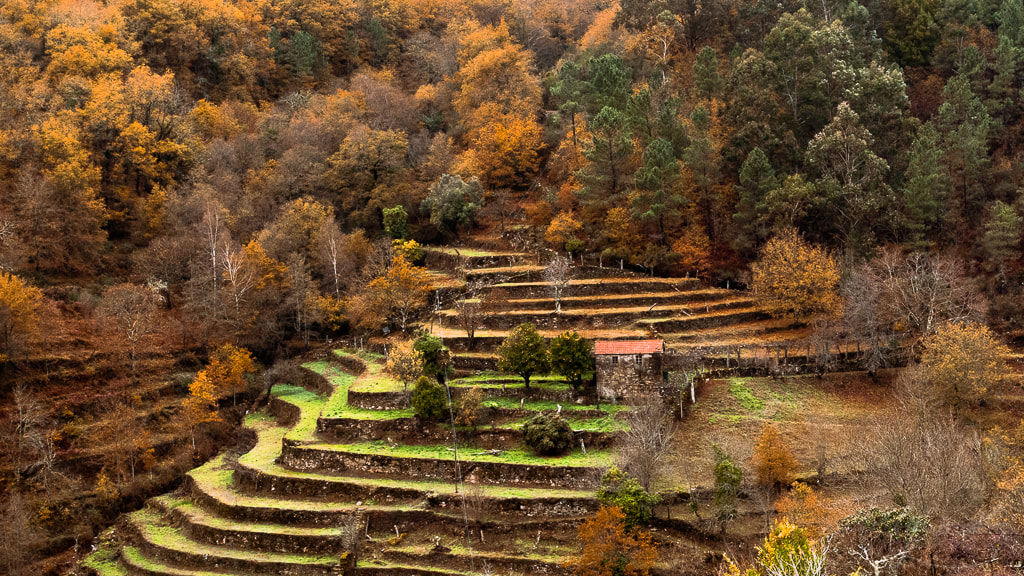
Nestled in the lush, rolling hills of northern Portugal, Sistelo is a captivating village that feels like a world apart. Often referred to as "The little Portuguese Tibet," this hidden gem is a testament to the harmonious relationship between human ingenuity and nature. With its terraced landscapes and rich cultural heritage, Sistelo invites visitors to explore its beauty and history.
History and Origins
The origins of Sistelo date back to medieval times, with its first documented mention in the 12th century. The village has evolved over the centuries, shaped by agriculture and the natural environment. Its strategic location near the Peneda-Gerês National Park made it a vital settlement, particularly during the Reconquista, when Christians reclaimed the Iberian Peninsula from Muslim rule.
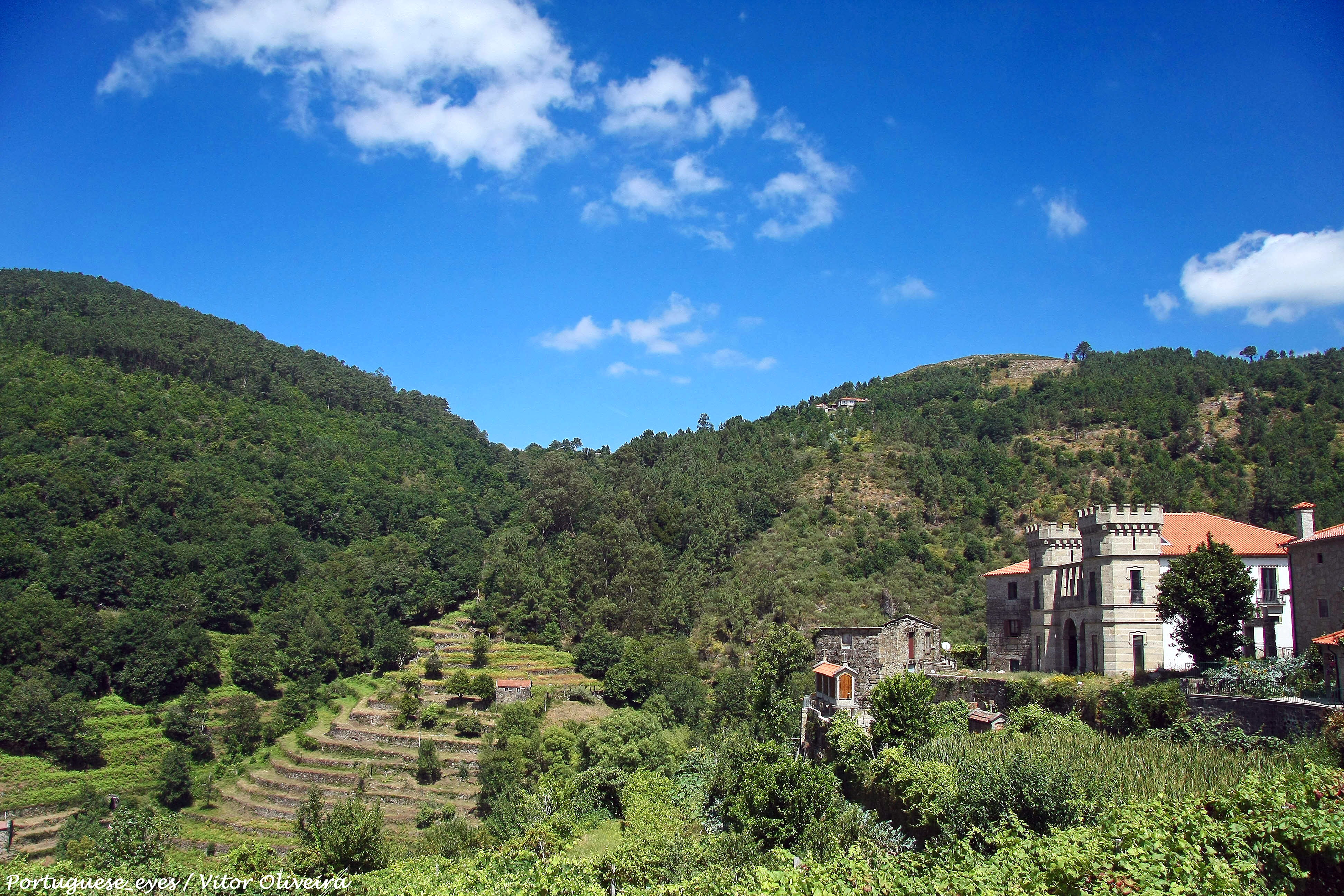
Throughout its history, Sistelo has witnessed significant events, including the establishment of agricultural practices that have been passed down through generations. The granaries, known as Espigueiros, are a symbol of this rich agrarian culture. Elevated above the ground to protect harvested grains from rodents, these structures are a direct reflection of the community's resourcefulness and deep connection to the land.
Art and Architecture
Sistelo's architecture is a blend of practicality and beauty, characterized by traditional stone houses that echo the region's rustic charm. The Espigueiros are not only functional but also add artistic value to the landscape, with their unique designs dotting the hillside. The village is also home to the ruins of Sistelo Castle, which dates back to the 12th century. Though in ruins, it offers a glimpse into the past and stunning views of the surrounding valleys.
The artistic significance of Sistelo extends beyond its structures. The village is part of the Cultural Landscape of Sistelo, classified as a national monument in 2016. This designation emphasizes the importance of preserving its unique terraced agricultural system, which has been shaped by generations of farmers.
Local Culture and Traditions
Sistelo's culture is deeply rooted in its agricultural practices and traditions. The village celebrates various festivals throughout the year, the most notable being the Festa de Nossa Senhora da Saúde in September. This religious festival showcases local customs, including traditional music, dance, and culinary delights that bring the community together.
Visitors to Sistelo can also experience the "Brandas de Sistelo," an ancient pastoral tradition where farmers would lead their livestock to summer pastures in the surrounding mountains. This practice not only maintains the ecological balance of the area but also preserves the cultural identity of the villagers.
Gastronomy
The culinary scene in Sistelo is a delightful reflection of its agricultural heritage. Traditional dishes often feature locally sourced ingredients, with corn being a staple. The village is famous for its corn bread, known as "broa," which accompanies many meals. Another local delicacy is "cabrito à Serra," a slow-cooked goat dish that embodies the flavors of the region.
Visitors should also try "pão com chouriço," a savory sausage baked in bread, and sample local wines from the nearby Douro Valley. The combination of fresh ingredients and traditional recipes offers a true taste of Sistelo's culinary identity.
Lesser-known Curiosities
While Sistelo may not be as well-known as other Portuguese destinations, it is full of hidden gems and surprising stories. One intriguing fact is that the village's terraced fields are often referred to as the "Mediterranean Alps" due to their similarity to the agricultural terraces found in the Himalayas and the Alps. This unique landscape has earned Sistelo a spot among the 7 wonders of Portugal.
Additionally, the Cha da Armada viewpoint, a short hike from the village, offers breathtaking panoramic views that are often overlooked by tourists. Many visitors also miss the chance to explore the nearby water mills, where corn is ground into flour using the power of the river, a practice that has persisted for centuries.
Practical Visitor Information
The best time to visit Sistelo is during the spring and early fall when the weather is mild, and the landscape is bursting with color. The village is easily accessible, just 1.5 hours by car from Porto, making it an ideal day trip for those seeking a retreat into nature.
When exploring Sistelo, be sure to wear comfortable shoes for hiking the Brandas de Sistelo trail, which offers stunning views of the village and its surrounding landscapes. Don't forget your camera; the picturesque scenery is truly Instagram-worthy.
Visitors should also take the time to interact with the locals, as they are known for their warm hospitality and can provide insights into the village's rich history and culture.
To make the most of your journey, consider using the Secret World app to craft a personalized itinerary that will help you uncover the hidden treasures of Sistelo.


