
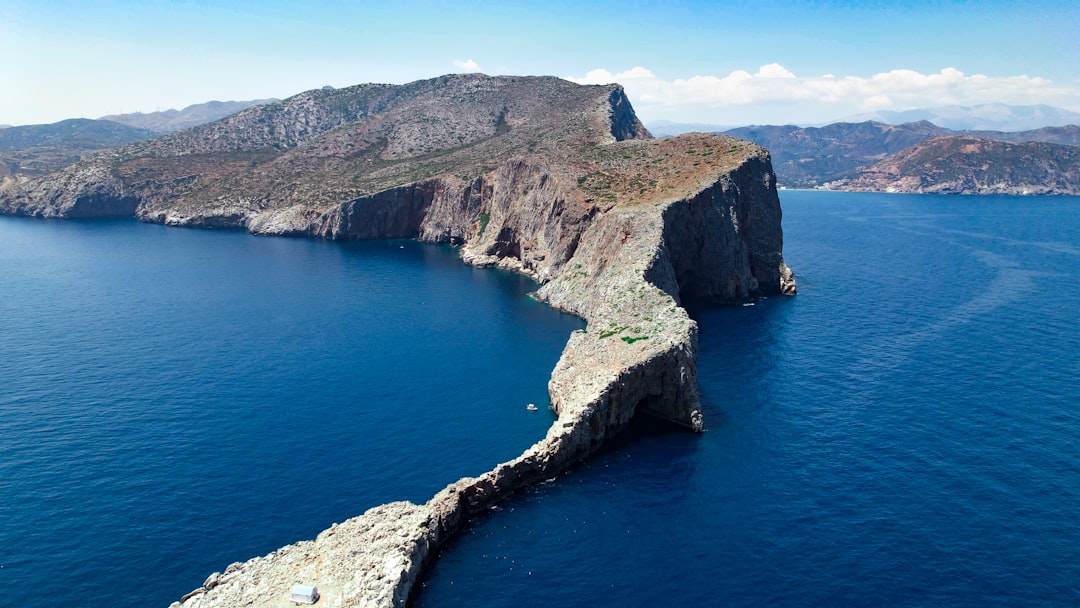

At a 1750 meters above sea level, where the air is thin and the night sky stretches unobstructed to the horizon of the Mediterranean, lies one of the most accessible astronomical observatories in Greece. The Skinakas Observatory, located on the Ida massif — the mountain range that the ancient Greeks considered the home of Zeus — is not a monument to be passively contemplated, but a living laboratory where scientific research and public wonder coexist under the same white domes.
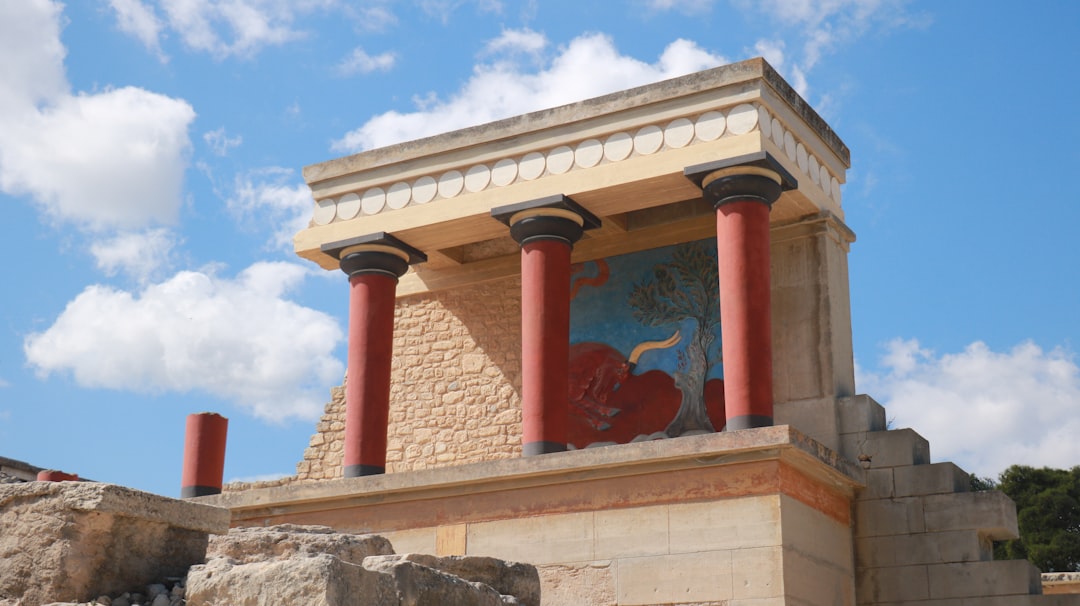
The observatory is jointly operated by the University of Crete and the FORTH Institute of Astrophysics (Foundation for Research and Technology Hellas), two leading Greek scientific institutions. Originally established as a research facility, over the years it has opened its doors to the public during specific summer evenings, transforming into an unusual destination for those visiting Crete who want to go beyond beaches and archaeological sites.
What to see and what to expect upon arrival
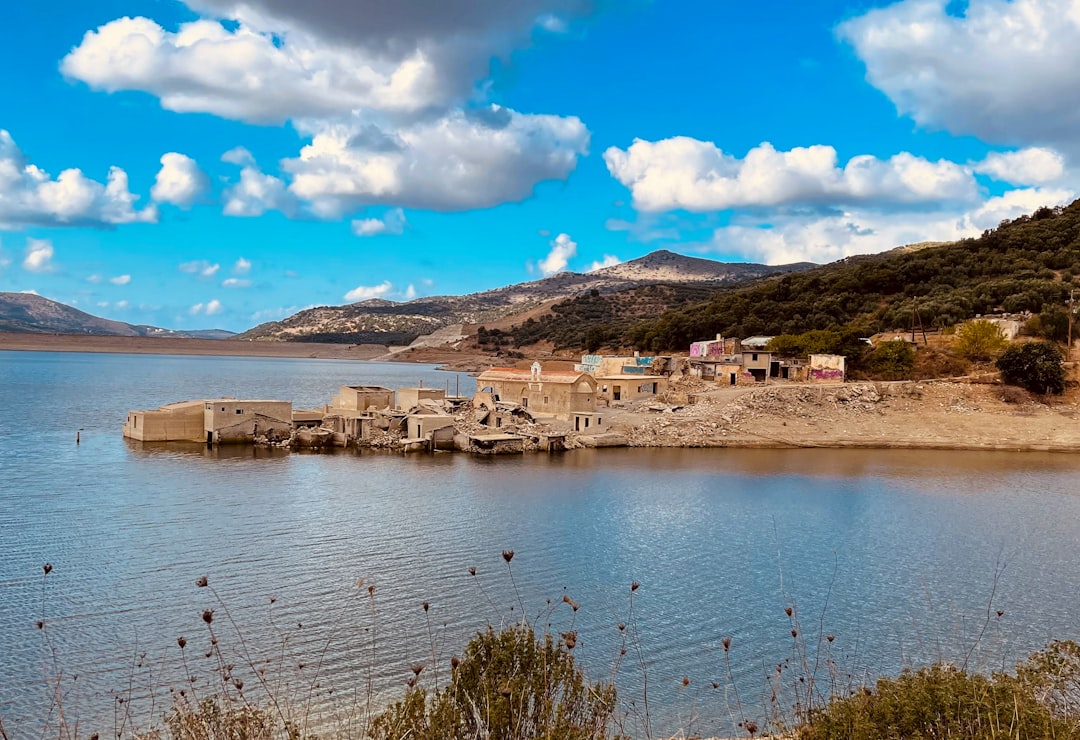
Reaching Skinakas is already part of the experience. The road that climbs from the northern side, starting from the area of Anogia, is winding and in certain stretches narrow, but it offers progressively wider views of the Heraklion plain and the sea. As you ascend, the olive trees give way to pines and then to a lunar landscape of limestone rocks. When you finally reach the summit, the domes of the observatory appear as out-of-context, almost alien objects against the open sky.
The main telescope of the observatory has a diameter of 1.3 meters, a tool that under normal conditions is reserved for professional research. During public evenings, visitors can observe through telescopes dedicated to the public, guided by astronomers and researchers who explain what is seen: lunar craters with astonishing details, the rings of Saturn, star clusters, and, on particularly clear nights, nebulae millions of light-years away. It is not an experience mediated by a screen — it is the real sky, viewed through real optics.
The Quality of the Sky and Why It Matters
The altitude and geographical location of Skinakas are not random. The site was chosen precisely for the exceptional quality of its sky: far from the light pollution of Heraklion, with over 200 clear nights a year — one of the highest percentages in the Eastern Mediterranean — and a stable atmosphere that reduces optical turbulence. These parameters, essential for astronomical research, make public evenings an authentic spectacle, not a simulation.
At altitude, even in summer, temperatures drop significantly after sunset. While in Heraklion one can suffer from the heat of July, at 1750 meters the night brings coolness and sometimes wind. The contrast is stark and physically perceptible: arriving sweaty from the coast and finding oneself wearing a jacket under a sky dotted with stars is one of the most memorable sensations this place offers.
How to organize the visit
Public evenings are typically held during the summer months, from June to September, on specific dates that are published on the official website of the University of Crete and the FORTH Institute. It is essential to check the updated calendar before departing, as public openings are not daily and may vary based on weather conditions or research needs. In case of cloudy skies, the evenings are canceled.
To reach the observatory, a private vehicle is necessary — preferably a car with good traction — as there are no public transport options that reach the top. The journey from Heraklion takes about one and a half hours of driving. It is advisable to leave well in advance of the indicated time, bring water, a warm layer, and a flashlight with a red light (to avoid disturbing the visual adaptation of other observers). Avoid using car headlights near the domes during observation sessions.
An experience that changes the perspective on Crete
Crete is an island that most tourists know through the sea, the Minoan palaces, and the cuisine. Skinakas offers a completely different reading of the same territory: the sacred mountain of the ancients, now home to instruments that scrutinize distant galaxies billions of light-years away. There is something powerful in the fact that Mount Ida — where according to myth Zeus grew up hidden — today hosts a place dedicated to rationally understanding the universe.
It is not a visit for everyone; it requires planning and a bit of logistical effort. But those who climb up there, sit under that black vault, and wait for their eyes to adjust to the darkness quickly understand why astronomers have chosen this very place. The sky of Skinakas needs no introduction: it speaks for itself, with the silent voice of the stars.


