



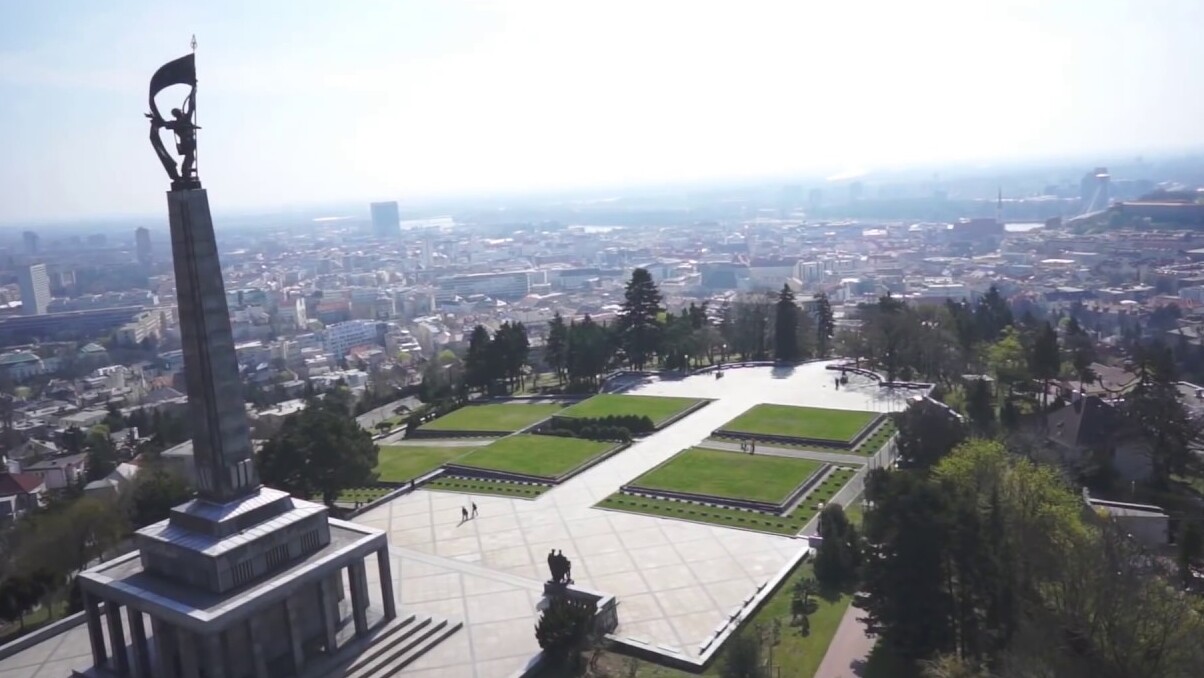
Perched atop a hill in Bratislava, Slovakia, Slavín stands as a solemn reminder of the sacrifices made during World War II. This expansive Soviet war cemetery and liberation memorial was established to honor the Soviet soldiers who lost their lives during the liberation of Slovakia from Nazi occupation. The memorial, inaugurated in 1960, features an impressive mausoleum and a towering obelisk, marking a significant chapter in the nation’s history.
History and Origins The origins of Slavín are deeply intertwined with the events of the Second World War. On April 4, 1945, Soviet troops liberated Bratislava, marking a pivotal moment in the city’s and the country’s history. In the aftermath of the war, as a gesture of gratitude and remembrance, the Slovak nation decided to create a monumental site dedicated to the 6,845 Soviet soldiers who died during the liberation campaign. The site was meticulously chosen for its panoramic views over the city, embodying both a place of reflection and a lookout point over the land these soldiers fought to free. Over the years, Slavín has become a powerful symbol of remembrance and reconciliation, transcending the political tensions of the past.
Art and Architecture The architectural design of Slavín is striking, characterized by its Brutalist style that reflects the era's monumentalism. The centerpiece of the memorial is a grand obelisk, rising majestically to 39 meters, symbolizing the heights of sacrifice and valor. Surrounding the obelisk are 14 sculpted figures, each representing different facets of the Soviet military and the collective spirit of the soldiers. The use of stone and concrete enhances the stark beauty of the site, while the mosaic wall within the mausoleum adds a touch of artistic flair, depicting scenes of victory and camaraderie. Visitors are often moved by the profound simplicity and elegance of the memorial, which serves as a canvas for reflection and remembrance.
Local Culture and Traditions Despite its historical significance, Slavín also plays a role in contemporary Slovak culture. The site is regularly visited by locals and tourists alike, particularly on May 8, the day when Slovakia commemorates the end of WWII. Each year, ceremonies are held to honor the fallen, with wreath-laying and moments of silence that draw communities together. Additionally, the site attracts various cultural events, including art exhibitions and educational programs focused on peace and history, reflecting a collective desire to remember the past while fostering a spirit of unity.
Gastronomy After reflecting on the somber history of Slavín, visitors can indulge in Bratislava's culinary delights. The city boasts a rich tapestry of gastronomy influenced by its diverse history. Traditional dishes like bryndzové halušky, potato dumplings served with sheep cheese and bacon, are a must-try. Pair this with a glass of Slovak wine or a pint of Kozel, a popular local beer, to immerse yourself in the local flavors. Street vendors often sell trdelník, a sweet pastry, perfect for a post-visit snack as you stroll back into the vibrant streets of Bratislava.
Lesser-known Curiosities While Slavín is well-known for its memorial, few are aware of the intricate details that lie within its walls. The site houses a small museum featuring artifacts from the war, including photographs and personal belongings of the soldiers. Another hidden gem is the charming park surrounding the memorial, adorned with lush greenery and tranquil walking paths, offering a serene escape from the bustling city. Interestingly, the site was not only a military cemetery; it became a gathering place for artists and intellectuals during the Cold War, symbolizing a quiet rebellion against the oppressive regime.
Practical Visitor Information The best time to visit Slavín is during the spring and early autumn months when the weather is pleasant for outdoor exploration. The site is easily accessible by public transport, with several bus routes connecting it to the city center. As you wander through the memorial, take the time to read the inscriptions and reflect on the sacrifices made. Don’t miss the spectacular views of Bratislava Castle and the Inverse Pyramid—a notable landmark from the Communist era—visible from the hilltop.
In conclusion, Slavín is more than just a memorial; it is a poignant reminder of the complexities of history, a testament to human resilience, and a beautiful vantage point over the stunning city of Bratislava. For a personalized experience that explores the rich layers of this remarkable destination, consider using the Secret World app to plan your visit.
