



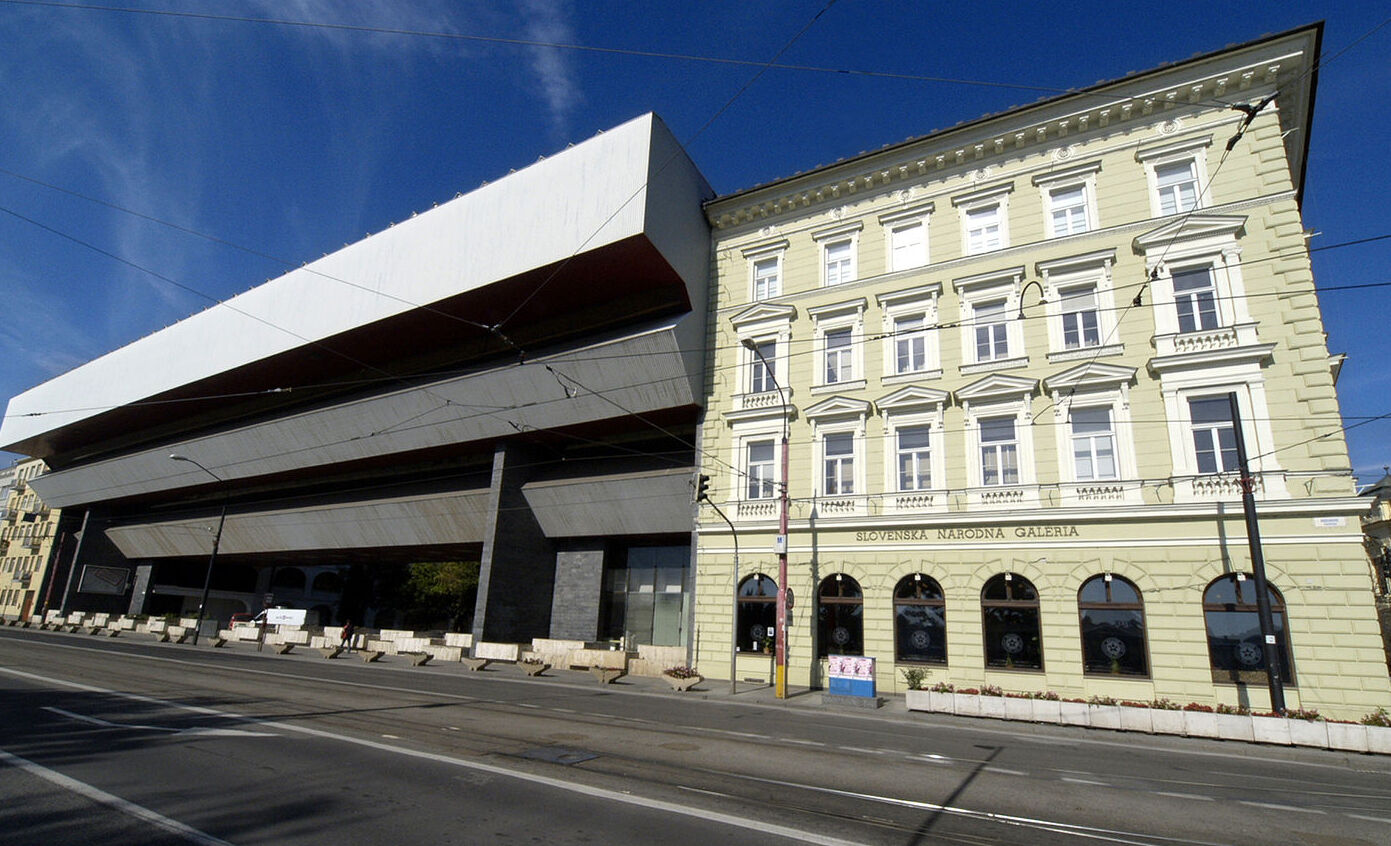
Nestled along the banks of the Danube River, the Slovak National Gallery (Slovenská Národná Galéria) stands as a testament to Slovakia's rich cultural heritage. The gallery, housed in a striking neo-classical building originally constructed in the 18th century, is not just a repository of art; it embodies the very essence of the nation’s intercultural tapestry. Its collections span from the 13th century to contemporary works, offering visitors a journey through Slovakia's evolving artistic landscape.
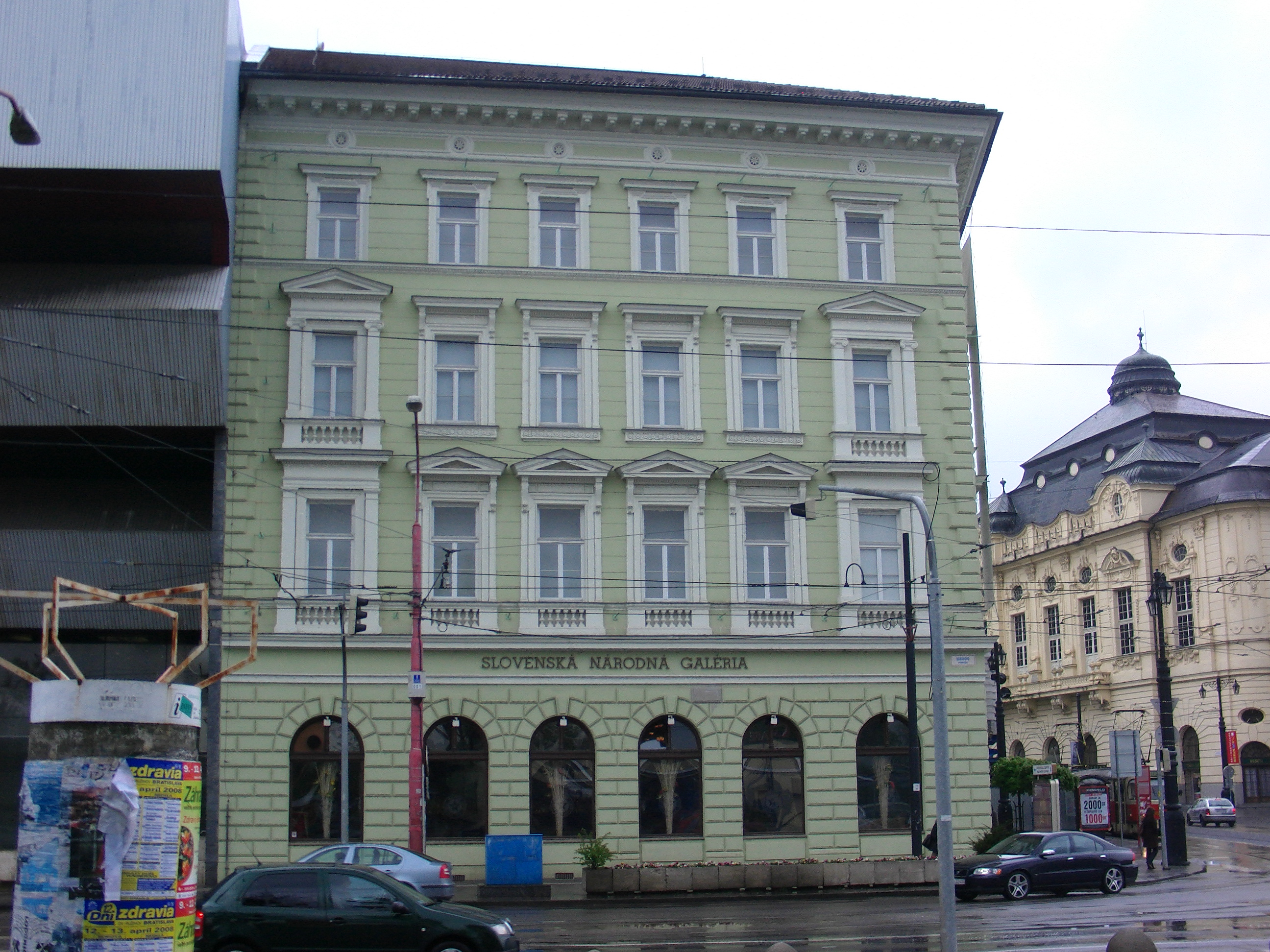
### History and Origins The origins of the Slovak National Gallery can be traced back to the early 20th century, when the need for a national collection of Slovak art became evident. Founded in 1948, it served to preserve and showcase the artistic endeavors of Slovak creators, reflecting the nation’s turbulent history. The gallery has been pivotal in collecting works that highlight important historical events, such as the Czechoslovak National Awakening and the Slovak National Uprising.
### Art and Architecture The gallery's neo-classical architecture is as captivating as the artworks it houses. The façade features grand columns and a majestic entrance that invites visitors into a world of creativity. Inside, the gallery boasts an impressive collection, including significant pieces by Slovak artists such as Július Koller and Andy Warhol, whose works explore the intersection of local culture and global trends. The exhibitions often shift to focus on Slovakia’s intercultural history, allowing for a dynamic viewing experience that connects past and present.
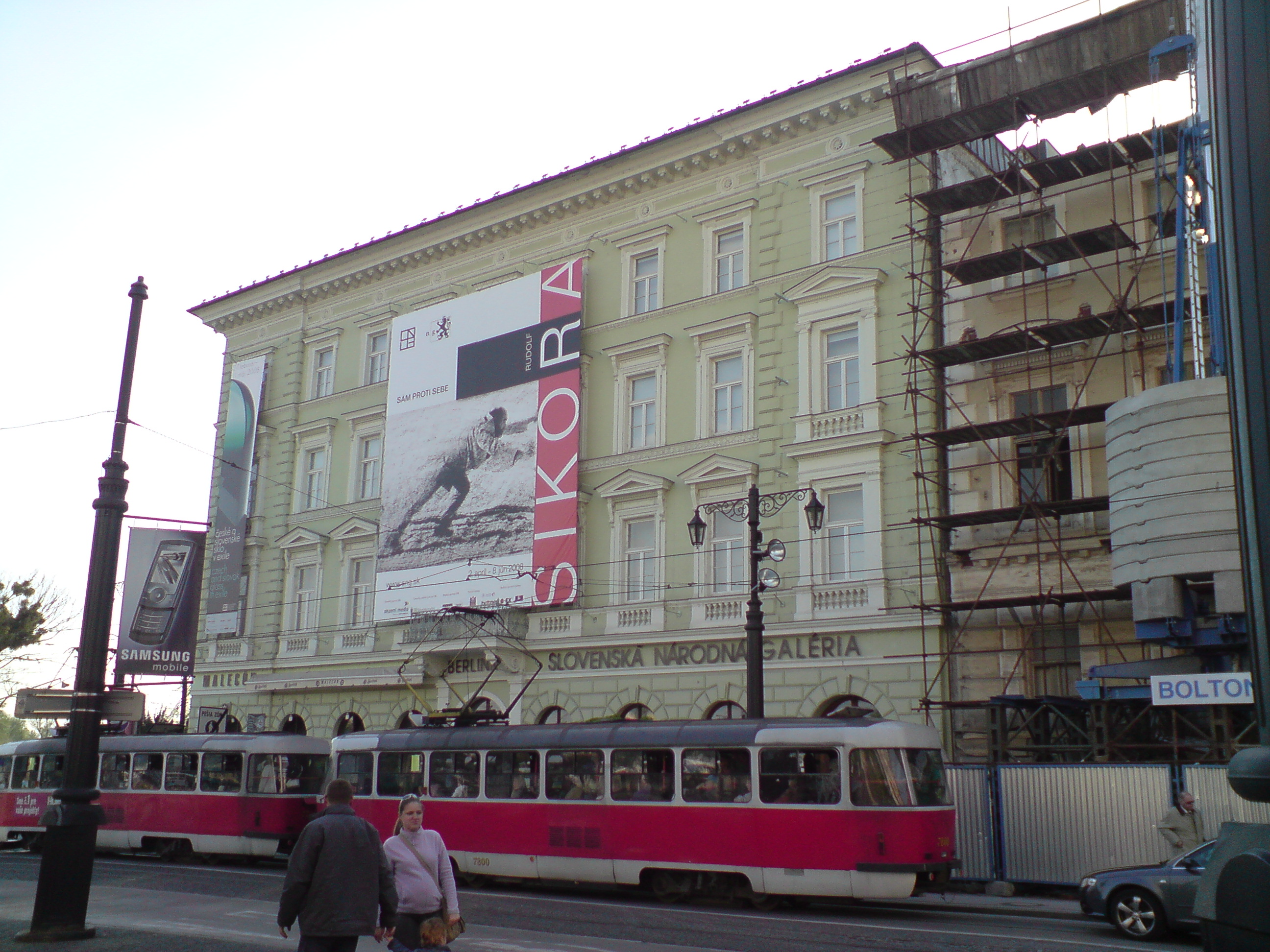
### Local Culture and Traditions Visiting the Slovak National Gallery is not just about viewing art; it’s an immersion into Slovakia’s vibrant culture. The gallery often hosts events and exhibitions that celebrate local customs, such as traditional folk dances and craft fairs. Festivals like the Bratislava Christmas Market bring the community together, showcasing local artisans and their crafts, while also providing a taste of traditional Slovak cuisine.
### Gastronomy Speaking of cuisine, a visit to Bratislava wouldn’t be complete without indulging in local delicacies. Traditional dishes such as bryndzové halušky (potato dumplings with sheep cheese) and kapustnica (sauerkraut soup) are must-tries. Pair your meal with a glass of Slovak wine or the popular Tatratea, a herbal liqueur that embodies the spirit of the High Tatras. These culinary experiences provide a delightful backdrop to the profound art and history you’ll encounter at the gallery.
### Lesser-known Curiosities While many are aware of the gallery's renowned collections, few know about its hidden gems. For instance, the gallery houses an intriguing collection of graphic art, including rare prints from the 19th century. Additionally, the gallery often features local artists in temporary exhibitions, allowing for a fresh perspective on contemporary Slovak art that many tourists might miss. Moreover, visitors can explore the gallery’s gardens, a peaceful retreat that offers stunning views of the Danube River.
### Practical Visitor Information The best time to visit the Slovak National Gallery is during the spring and fall months when the weather is mild, and the city is less crowded. Planning your visit on a weekday can also enhance your experience, allowing you to explore the exhibits at your own pace. Be sure to check the gallery’s calendar for special events or temporary exhibitions that may coincide with your visit.
When you arrive, don’t forget to ask about guided tours, which provide deeper insights into the artworks and their historical contexts. And if you're looking to make the most of your time in Bratislava, consider downloading the Secret World app for a personalized itinerary that can lead you to hidden treasures throughout the city.
The Slovak National Gallery is a cultural beacon, inviting visitors to engage with Slovakia’s past and present through its rich artistic heritage.
