



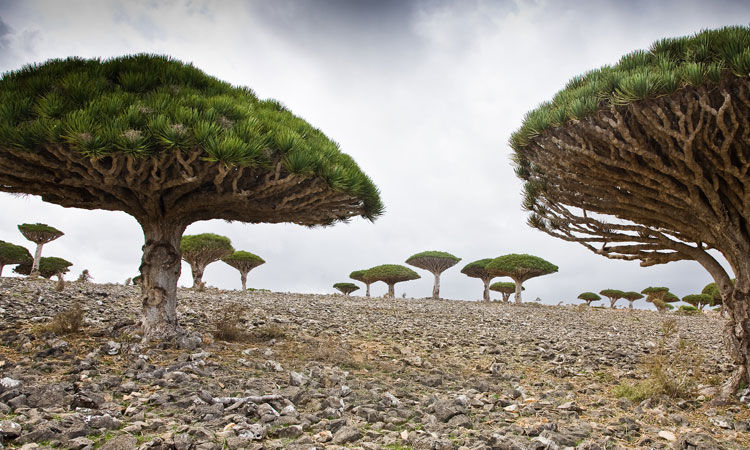
Imagine stepping into a land that feels like another planet, where the trees resemble giant mushrooms and the landscape seems untouched by time. Welcome to Socotra Island, Yemen's mysterious 'Lost World' in the Indian Ocean. This ethereal island, isolated both geographically and culturally, harbors a treasure trove of biodiversity and a rich tapestry of history.
History and Origins
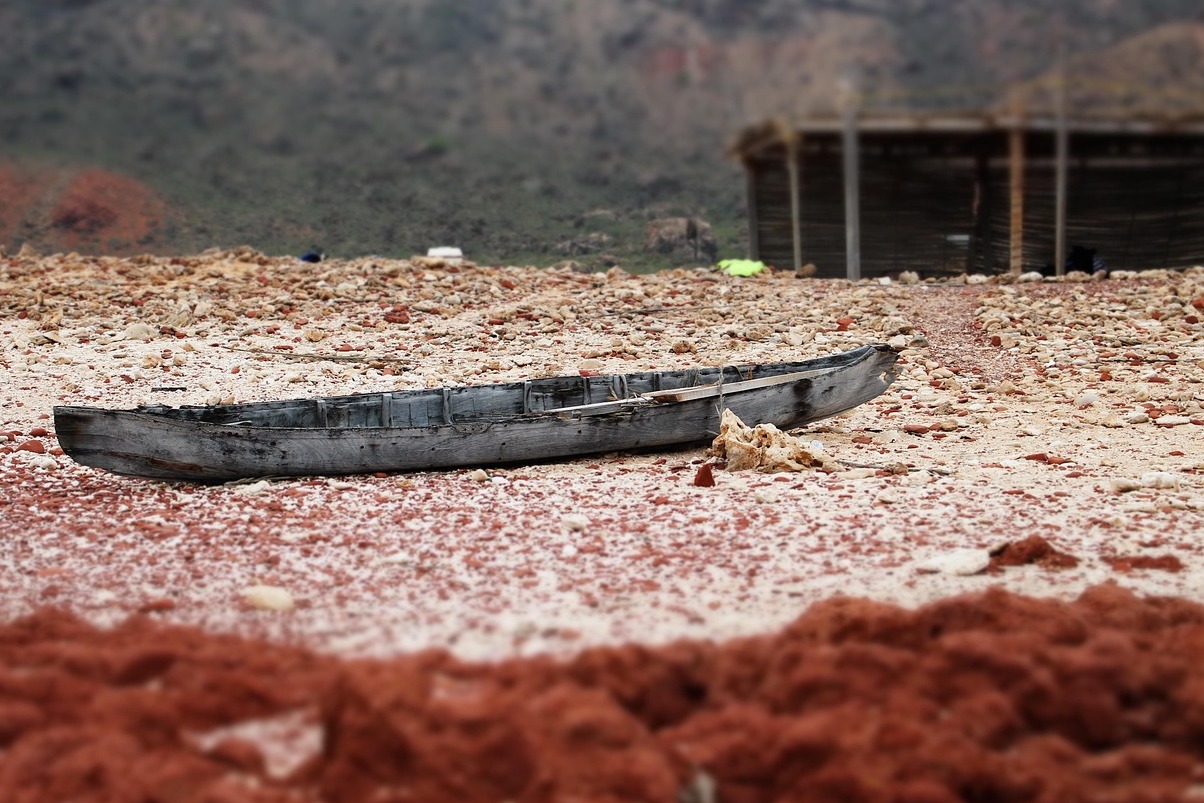
Socotra's history is as unique as its landscape. The island's strategic location has made it a crossroads of civilizations for centuries. Ancient Greek texts, including the writings of Dioscorides, mention Socotra as a source of precious resins. Archaeological evidence suggests that the island has been inhabited for over 2,000 years. In the past, it was part of the Kingdom of Hadhramaut and later fell under the influence of the Sultanate of Mahra. Socotra's historical significance is underscored by its mention in the Periplus of the Erythraean Sea, a 1st-century maritime guide, highlighting its role in ancient trade networks.
Art and Architecture
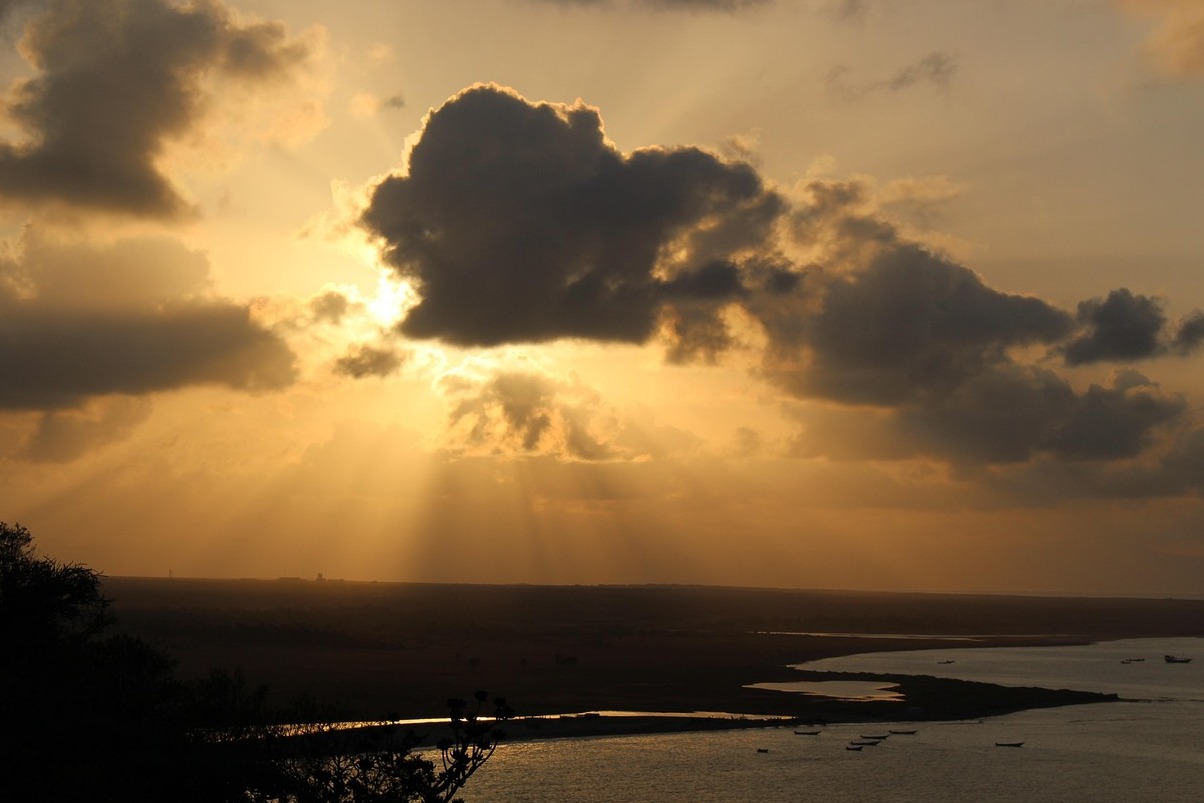
The architectural heritage of Socotra is modest yet captivating, blending with the natural landscape. Traditional Socotri homes are constructed from local materials like stone and wood, designed to withstand the harsh climate. The island's artistic expression is largely seen in its age-old crafts and oral poetry, woven into the daily life of its inhabitants. The intricate designs of traditional bedu weavings reflect the island's cultural heritage, offering a glimpse into its artistic soul.
Local Culture and Traditions
The culture of Socotra is a vibrant tapestry of Bedouin traditions and African, Arab, and South Asian influences. The native Socotri language, a South Arabian dialect, is a cultural hallmark. Festivals like Eid al-Fitr and Eid al-Adha are celebrated with communal feasts and traditional dances. The islanders' deep connection to their land is evident in their sustainable practices and folklore, which often feature the island's unique flora and fauna.
Gastronomy
Socotra's culinary scene is as distinctive as its landscape. The island's cuisine is simple yet flavorful, with a focus on locally sourced ingredients. Honey, harvested from unique Socotri bees, is a prized delicacy. Fresh fish, often grilled and seasoned with local herbs, forms the staple diet. Traditional dishes are often accompanied by flatbreads and a spicy sauce called bisbas. The local drink, a refreshing blend of coconut milk and honey, offers a taste of Socotra's natural bounty.
Lesser-Known Curiosities
Beyond its famed Dragon Blood Trees, Socotra harbors secrets that many visitors overlook. The island is home to the Socotra cormorant, a bird species found nowhere else on Earth. The Hoq Cave, extending over three kilometers and adorned with ancient inscriptions, offers a subterranean adventure. Legends speak of Socotra as the land of the Phoenix, a mythical bird symbolizing rebirth, reflecting the island's enduring allure.
Practical Visitor Information
The best time to visit Socotra is between October and April, when the weather is more temperate. Travelers should be prepared for basic accommodations and bring cash, as ATMs are scarce. To truly appreciate Socotra, engage a local guide who can unlock the island's hidden stories and natural wonders. Remember that conservation is key; respect the environment to preserve its fragile ecosystem.
Socotra Island's enigmatic beauty and rich heritage beckon explorers to uncover its secrets, and the Secret World app can craft the perfect itinerary for your adventure.
