



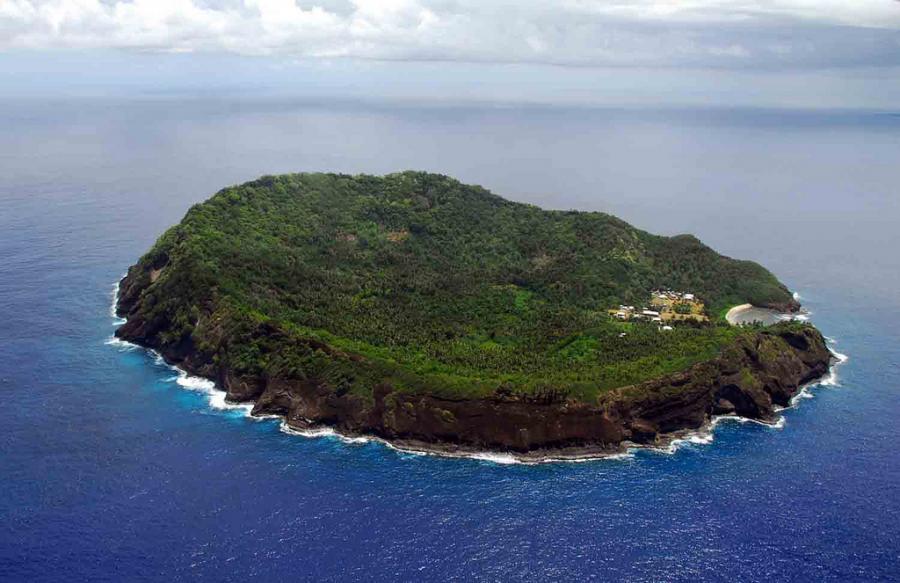
Nestled within the stunning archipelago of Samoa, Apolima Island stands out as a captivating destination waiting to be explored. This tiny island, with its lush jungle foliage and pristine blue waters, holds a wealth of history, culture, and natural beauty that beckons adventurous travelers seeking a unique experience.
### History and Origins Apolima is one of the four main islands that make up Samoa, a nation rich in Polynesian heritage. The island's name derives from the Samoan word for 'the great water', which reflects its geographical prominence within the region. Apolima's history is deeply intertwined with the stories of the Samoan people, dating back over 3,000 years when the first settlers arrived in double-hulled canoes from other Pacific islands.
Throughout its history, Apolima has served not only as a home but also as a strategic point for navigation and trade among the islands. The arrival of European explorers in the 18th century marked a turning point for the region, introducing new cultural influences and leading to key historical events that shaped the island’s identity. Captain James Cook, a notable figure of this era, visited the islands in the late 1700s, bringing attention to their natural beauty and unique culture.
### Art and Architecture Apolima may be small, but it boasts a rich tapestry of Samoan art and architecture. Traditional Samoan fale, or houses, are characterized by their open design and thatched roofs, constructed primarily from local materials such as coconut palm fronds and wood. These structures are not just functional but also play a vital role in communal activities and gatherings.
Artwork on the island often reflects the vibrant culture and mythology of the Samoan people. Tapa cloth, made from the bark of the paper mulberry tree, is a significant form of artistic expression. The intricate designs represent family heritage and tell stories passed down through generations. Visitors will find that the communal spirit of the island shines through in its artistic endeavors, with locals often inviting travelers to join in workshops to create their own tapa.
### Local Culture and Traditions Apolima's culture is steeped in tradition and community values. The island holds several festivals throughout the year, celebrating everything from the harvest to the ocean's bounty. One of the most important events is Siva Afi, the fire knife dance, which showcases the skill and bravery of the performers. This thrilling display of agility and artistry is a vibrant representation of Samoan culture and is often accompanied by traditional music and storytelling.
Customs such as fa’a Samoa (the Samoan way) guide daily life on the island, emphasizing respect for elders, family ties, and community support. Visitors are often welcomed with open arms, and participating in local customs, such as sharing a meal or joining a ceremonial event, can provide invaluable insights into Samoan life.
### Gastronomy The culinary landscape of Apolima is a feast for the senses. Local cuisine reflects the abundance of the land and sea, with dishes that highlight the island's natural ingredients. Palusami, a traditional dish made from taro leaves and coconut cream, is a must-try, embodying the rich flavors of the island.
Seafood is also central to Apolima's gastronomy. Oysters, fish, and crustaceans are often freshly caught by local fishermen, providing a taste of the ocean's bounty. Pair your meal with a refreshing drink of coconut water or ava, a traditional beverage made from the kava root, known for its relaxing properties and cultural significance.
### Lesser-known Curiosities While most visitors to Samoa flock to the larger islands, Apolima offers unique experiences that often go unnoticed. One fascinating detail is the island’s volcanic crater, which forms a stunning backdrop for hiking and exploration. The lush vegetation within the crater is home to many endemic plant species, making it a hotspot for nature lovers.
Additionally, the absence of modern amenities adds to the island's allure. Travelers may encounter locals fishing with traditional methods and children playing in the crystal-clear waters, showcasing a simple lifestyle that many seek to escape from.
### Practical Visitor Information The best time to visit Apolima is during the dry season, from May to October, when the weather is pleasant and perfect for outdoor activities. To reach this secluded paradise, travelers must arrange a boat ride from nearby islands, often facilitated by local families who also offer hospitality.
It’s advisable to negotiate accommodations in advance, as options are limited and staying with a local family provides an authentic experience. Visitors should also pack light, embrace the island’s relaxed pace, and be prepared for a digital detox, as connectivity may be sparse.
Apolima Island is a hidden gem that promises unforgettable experiences, from its rich history and vibrant culture to its stunning natural beauty. To ensure you make the most of your visit, consider using the Secret World app to create a personalized itinerary that captures the essence of this enchanting island.
