


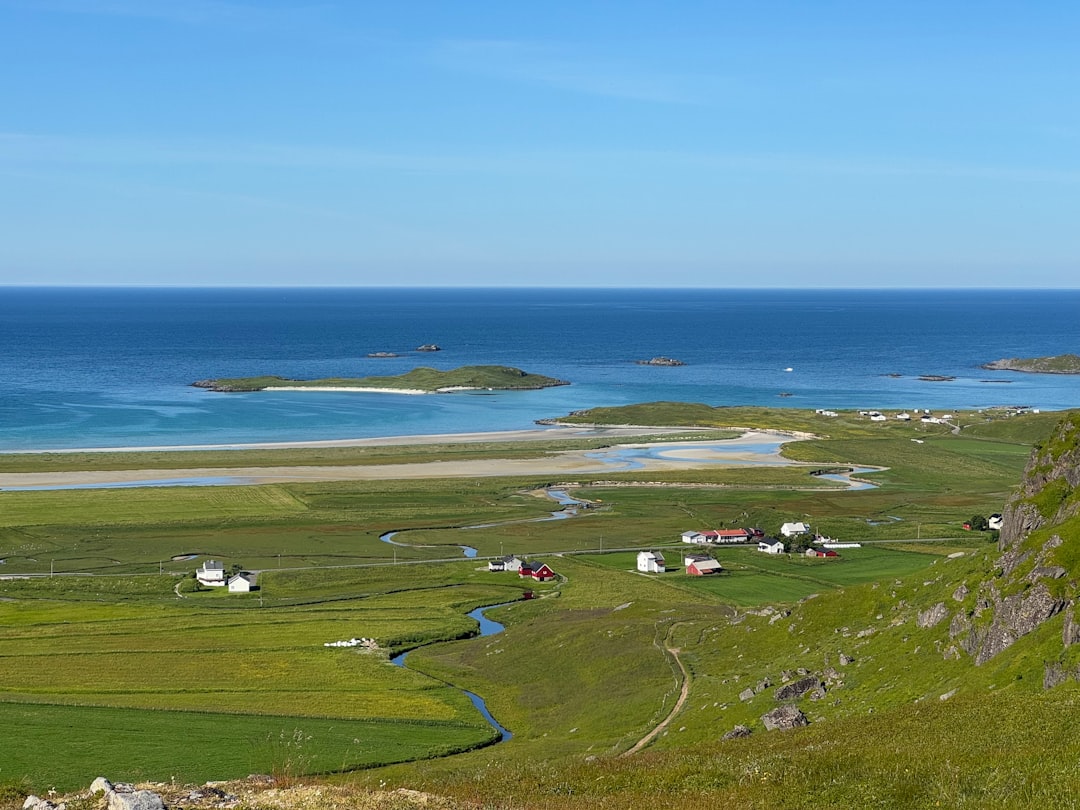
The wind arrives even before the lake becomes visible. Then, after passing the last crest of the pass, the water appears: deep blue, flat, surrounded by rolling pastures where white yurts dot the landscape like mushrooms after the rain. Songköl is located in the Naryn region, in the heart of Kyrgyzstan, at a height of 3016 meters, and is one of the largest high-altitude lakes in the country, with an area of about 270 square kilometers. There are no paved roads leading to it, no hotels, no bars. Only grass, sky, and families of Kyrgyz shepherds who every summer ascend with their flocks.
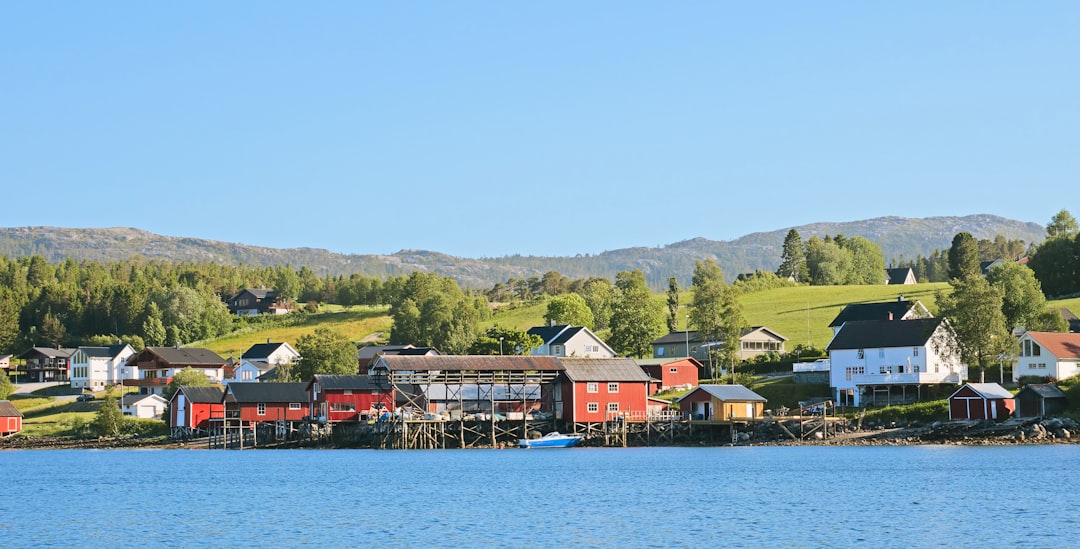
The lake is mainly accessible between June and September, when the passes surrounding it clear of snow and nomadic families set up their seasonal camps along the shores. The rest of the year, Songköl is practically inaccessible and deserted. This extreme seasonality is part of what makes the place so different from any conventional tourist destination: the landscape traversed is inhabited, alive, functioning according to millennia-old logic of transhumance.
The trail that surrounds the lake

The main route around Songköl is a loop of about 80 kilometers that can be completed on foot or on horseback in three or four days, depending on the chosen pace. The terrain is predominantly open, with long stretches of grassy steppe where the path widens or almost disappears, leaving the walker to navigate using the mountains on the horizon and the shores of the lake as constant reference points. This is not a marked path with signs or colored buoys: it is a network of tracks worn by centuries of human and animal passage.
Along the way, one encounters pastures where sheep, horses, and yaks roam freely. Kyrgyz shepherds, often on horseback, watch over the herds, and it is not uncommon for them to approach to exchange a few words or offer kumys, the traditional fermented mare's milk. Golden eagles, trained for hunting according to a tradition that dates back centuries in Central Asian nomadic culture, can sometimes be seen gliding on thermal currents above the eastern slopes of the lake.

Sleeping in yurts: what to expect
Along the way, several families offer hospitality in their yurts during the summer season. Prices for a night with accommodation and meals generally range from 15 to 30 euros per person, although there is no fixed rate and everything is agreed upon directly with the owners. The interior of a traditional Kyrgyz yurt is organized according to a precise logic: the center is occupied by the stove, shyrdak carpets cover the floor, and mattresses are arranged along the walls for the night.
Meals are simple and repetitive: flatbread, mutton broth, fresh dairy products. Do not expect significant variations in the menu, but the quality of the ingredients, all locally produced, is authentic. The lake water is not drinkable; it is advisable to bring purification tablets or a water bottle with a filter, as the sources of running water along the way are irregular.
How to get to Songköl
The most common starting point is the city of Kochkor, in the Naryn region, reachable in about two hours by car from Bishkek, the capital. Shared off-road vehicles depart from Kochkor and head towards the lake through the Kalmak-Ashuu pass, one of the main access points. The off-road journey takes between two and three hours depending on the conditions of the track, which can become muddy after rain.
In Kochkor, there is Community Based Tourism (CBT), a local network of community tourism that helps visitors arrange accommodation in yurts, rent horses, and find local guides. Contacting CBT before departure greatly simplifies logistics, especially for those traveling independently without knowledge of Kyrgyz or Russian.
Practical tips for trekking
The altitude of 3016 meters can cause fatigue in the first few days, especially for those arriving directly from Bishkek without acclimatization. It is advisable to spend at least one night in Kochkor before ascending to the lake. Night temperatures, even in mid-summer, can drop below zero, so an adequate sleeping bag is essential even if sleeping in yurts, which are only heated by the central stove.
The best time for trekking is July and August, when the pastures are at their greenest and nomadic families are all settled along the shores. In September, the lake is still accessible, but temperatures drop rapidly and some camps begin to dismantle. Bringing cash in Kyrgyz som is essential: there are no ATMs or electronic payment options in the lake area.


