
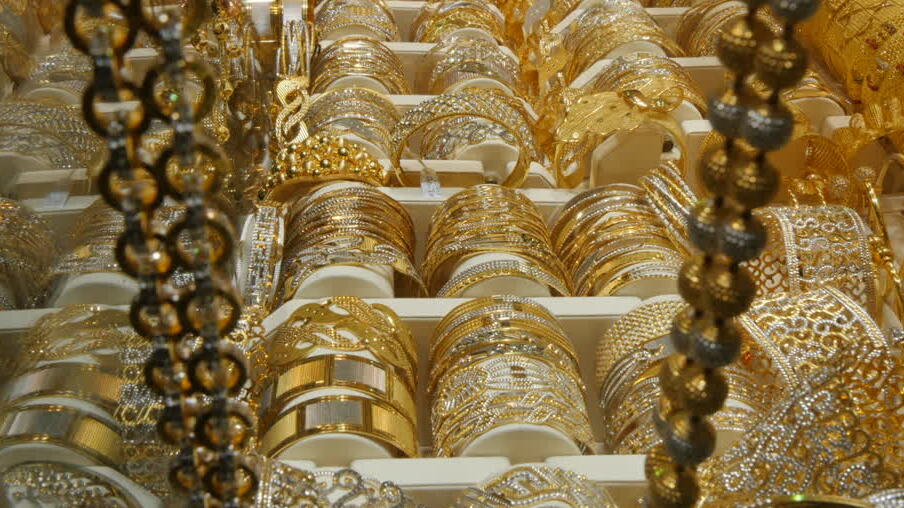

In the heart of Dubai, the vibrant souks—a blend of history, culture, and shopping—offer an unforgettable experience. These traditional markets have roots that trace back to the region's ancient trade routes, making them a significant part of the Emirati heritage. The Gold Souk and Spice Souk in Deira are particularly renowned, drawing visitors with their dazzling displays and aromatic delights.
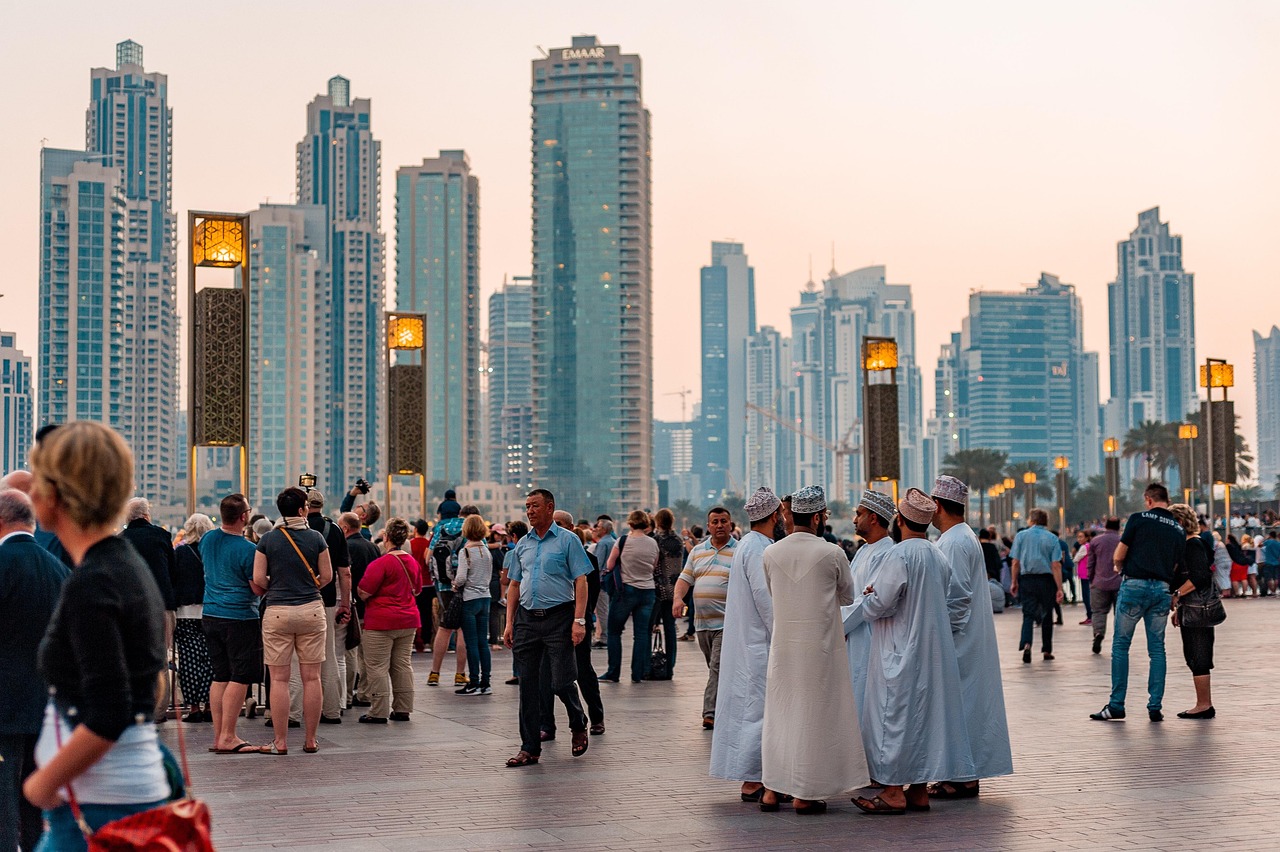
History and Origins The souks of Dubai have been integral to the city’s development since its founding in the early 19th century. Established around the creek, these markets became bustling centers for trade, connecting merchants from various cultures. The Gold Souk, with its dazzling array of gold jewelry, emerged as a key destination for traders in the 1940s, while the Spice Souk has enchanted visitors for centuries with its aromatic offerings. These markets have stood witness to the transformation of Dubai from a quiet fishing village to a global metropolis.
Art and Architecture Dubai's souks are not just shopping destinations; they are architectural gems that reflect the region's rich heritage. The Gold Souk features traditional Arabic architecture, with its narrow, winding alleys adorned with intricate wooden latticework and vibrant displays of gold. Meanwhile, the Spice Souk captivates with its vibrant colors and scents, showcasing a variety of spices in burlap sacks and glass jars. The aesthetic appeal goes beyond just the stalls; it's in the ambiance, where the sounds of haggling and the aromatic wafts create a sensory tapestry that immerses visitors in local culture.
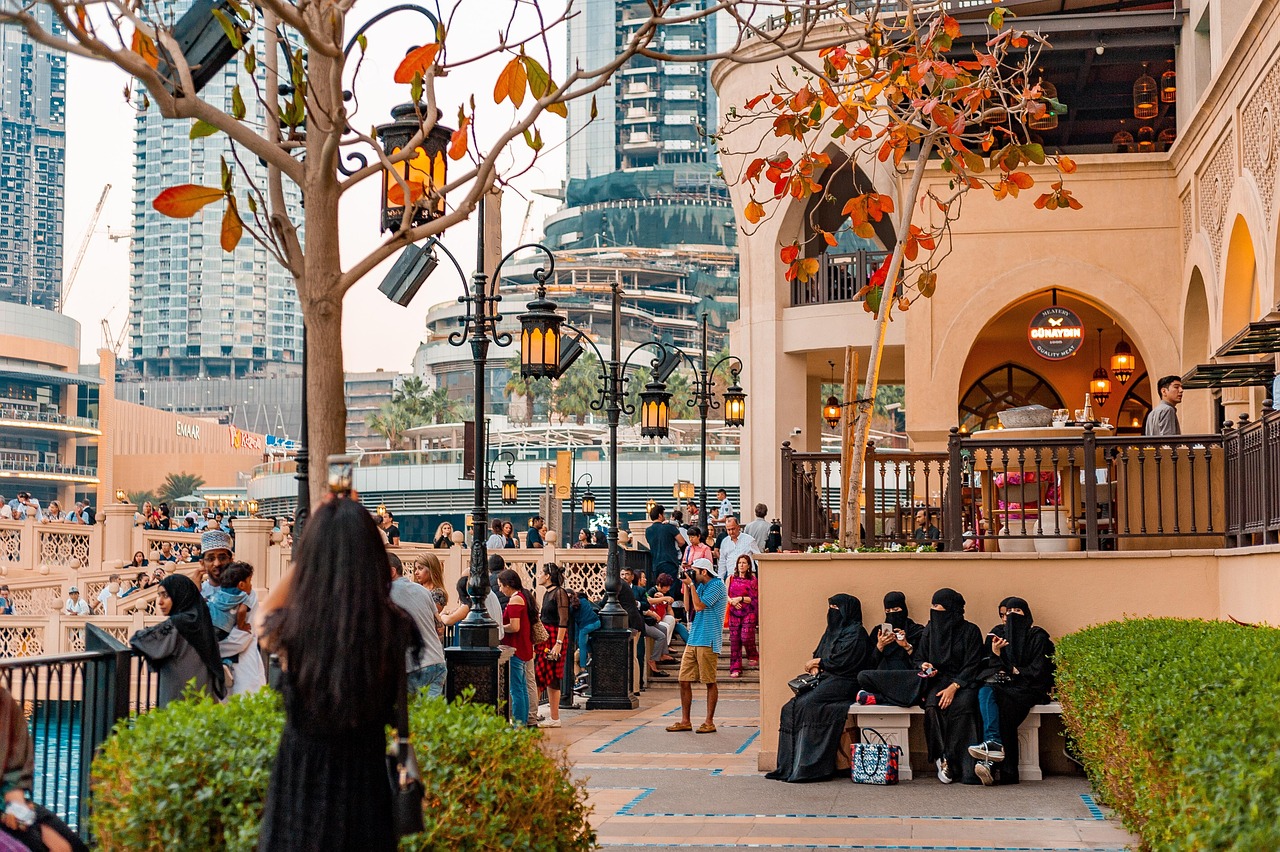
Local Culture and Traditions The souks are not merely commercial hubs; they are cultural touchstones where local customs thrive. Bargaining is an art form here, and engaging in this practice is part of the experience. Festivals like Eid al-Fitr and Diwali see the souks transformed into festive marketplaces, adorned with lights and decorations, offering special products that reflect the celebratory spirit. Visitors can witness the welcoming nature of Emirati hospitality, as shopkeepers often offer free samples of dates or spices, inviting guests to linger and learn about their products.
Gastronomy A visit to the souks is incomplete without indulging in the local gastronomy. The vicinity of the Spice Souk offers a feast for the senses, with stalls selling saffron, cardamom, and za'atar. Don't miss the chance to try Arabic coffee (qahwa), typically served with dates, or sample local sweets like baklava and ma'amoul. Street vendors also provide an array of snacks, from shawarma to falafel, ensuring that your culinary journey through the souks is as rich as your shopping experiences.
Lesser-Known Curiosities Beyond the well-trodden paths, the souks hide fascinating stories. For instance, the Gold Souk is home to the world’s largest gold ring, weighing approximately 64 kilograms. This jewel, known as the “Dubai Golden Ring,” showcases the artistry and craftsmanship of local jewelers. Additionally, the Spice Souk offers a hidden gem—oud (agarwood), a fragrant wood that is highly valued in Arab culture for its use in perfumes and incense. It's a scent that evokes the essence of the region and is often overlooked by tourists.
Practical Visitor Information The best time to visit the souks is during the cooler months, from November to March, when the weather is pleasant for exploring. Early morning or late afternoon visits allow you to enjoy a less crowded atmosphere. Remember to wear comfortable shoes, as you will be walking through narrow alleys, and don’t hesitate to haggle—it's expected! Look for unique souvenirs, from intricate gold jewelry to exotic spices, each telling a story of Dubai’s vibrant culture.
As you plan your adventure to the enchanting souks of Dubai, consider using the Secret World app for a personalized itinerary to enhance your experience.


