
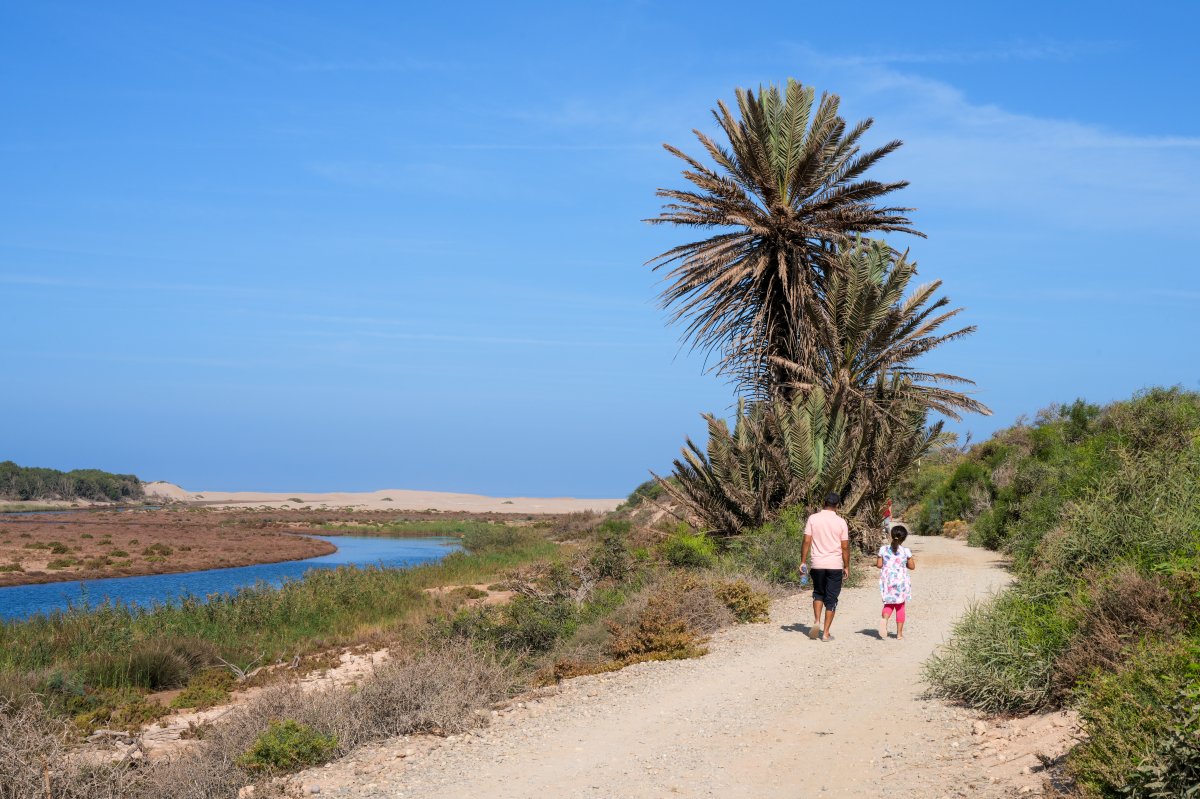

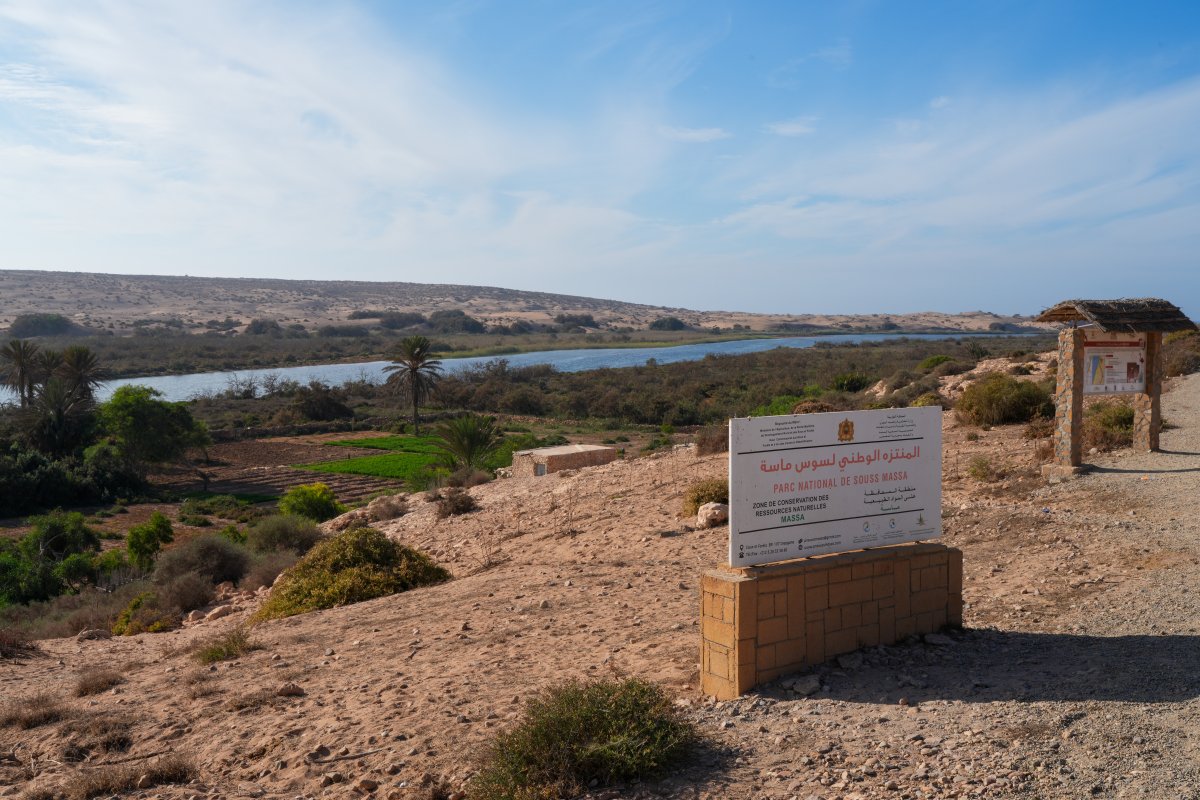
Along the Atlantic coast of southern Morocco, between Agadir and Tiznit, lies one of the most important natural reserves on the African continent. The Souss Massa National Park covers approximately 33,800 hectares of land that encompasses coastal dunes, lagoons, river estuaries, and cliffs overlooking the ocean. Founded in 1991, the park is now recognized as a Biosphere Reserve by UNESCO, a recognition that reflects the extraordinary variety of ecosystems concentrated in a relatively contained space.

The main reason why ornithologists and naturalists from around the world come here is one: the Geronticus eremita, known as the hermit ibis or northern bald ibis. This bird with a bare head, black-green plumage with metallic reflections, and a long, curved reddish beak is considered one of the most endangered bird species in the world. The remaining wild specimens on the planet number in the few hundreds, and a significant part of this population nests right on the cliffs of Souss Massa. Seeing these birds glide over the rocky walls that drop into the Atlantic is an experience hard to forget.
The birds that nest on the cliffs

The colonies of the hermit ibis are mainly found near Sidi Binzarne, a small coastal settlement within the park. The cliffs here are high and jagged, battered by the Atlantic wind, and represent the ideal habitat for nesting. The months between February and July are when it is most likely to observe the birds active on the nests, while the chicks begin to appear in spring. The park authorities have installed observation points that allow for close viewing without disturbing the colonies.
In addition to the hermit ibis, the park hosts an extraordinarily rich avian fauna. In the estuaries of the Souss and Massa rivers, flocks of flamingos concentrate, visible in any season but particularly numerous in the winter months. Grey herons, spoonbills, avocets, and numerous species of waders frequent the coastal lagoons. For those with binoculars, every dawn offers continuous discoveries.

The lagoons and freshwater ecosystems
The estuary of the Massa River is perhaps the most photographed corner of the park. The freshwater of the river meets the saltwater of the ocean, creating a wetland system where life concentrates spectacularly. The banks are covered with reeds and tamarisks, while the surface of the water reflects the colors of the Atlantic sky, often dramatic at dawn and dusk. Flamingos move slowly in the shallow waters, filtering food with their characteristic upturned beak.
The vegetation also deserves attention. The park preserves patches of argan forest, the endemic tree of southern Morocco from which the precious oil is extracted. These twisted and drought-resistant trees give the landscape an archaic, almost prehistoric appearance. Among the branches, goats are often seen climbing in search of fruits, a typical sight in this region of Morocco.
The Atlantic Cliffs and the Coastal Landscape
The western boundary of the park is marked by the ocean. The cliffs overlooking the Atlantic reach considerable heights at some points and offer visually striking panoramas. The sea here is often turbulent, with waves crashing forcefully against the rock, and the air is constantly filled with saltiness. The paths that run along the edge of the cliffs allow for hours of walking in a landscape where nature shows no signs of significant human intervention.
In certain stretches of the coast, there are small deserted beaches, accessible only on foot, where one can pause in complete solitude. Human presence in the park is deliberately limited to preserve the ecosystems, and this is clearly felt: there are no invasive tourist facilities, nor crowds.
Practical information for the visit
The park is easily reachable from Agadir, which is about 40 kilometers to the north. The most common route leads to Sidi Rbat, the main access point to the Massa estuary. It is advisable to rent a car, as public transport into the park is limited. Entrance to the park requires the payment of an access ticket, the cost of which is reasonable and should be verified directly at the entrances, as it is subject to changes.
The best time to visit is between November and April, when temperatures are mild, the lagoons are populated by the maximum number of migratory birds, and the vegetation is greener. In summer, the heat can be intense and some species migrate. Bringing binoculars is essential, as well as comfortable shoes for the dirt trails. Local park guides offer assistance to approach the ibis colonies while respecting safety distances, and their contribution is valuable for navigating a vast and poorly marked territory.


