
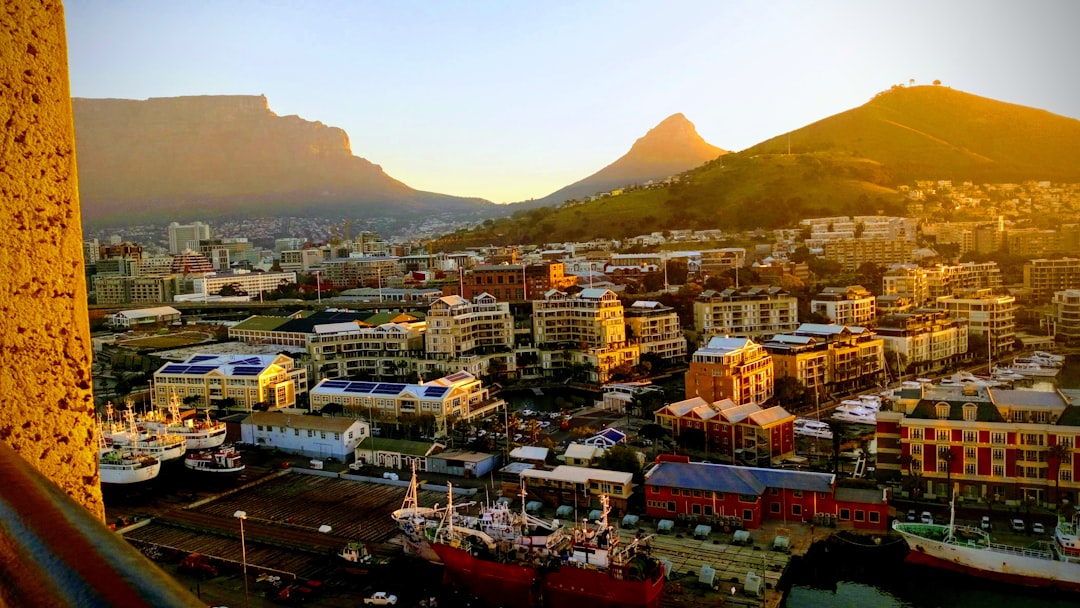

In the heart of Cape Town, just a few kilometers from the city center, a white dome rises that has been gazing at the southern sky for over two centuries. The South African Astronomical Observatory — known by the acronym SAAO — is one of the oldest astronomical observatories in the southern hemisphere, officially founded in 1820 at the initiative of the British Admiralty, with the aim of accurately mapping the stars of the southern sky to improve maritime navigation. A practical mission, born from the concrete needs of those who sailed the oceans, which has transformed over time into a scientific endeavor of global significance.
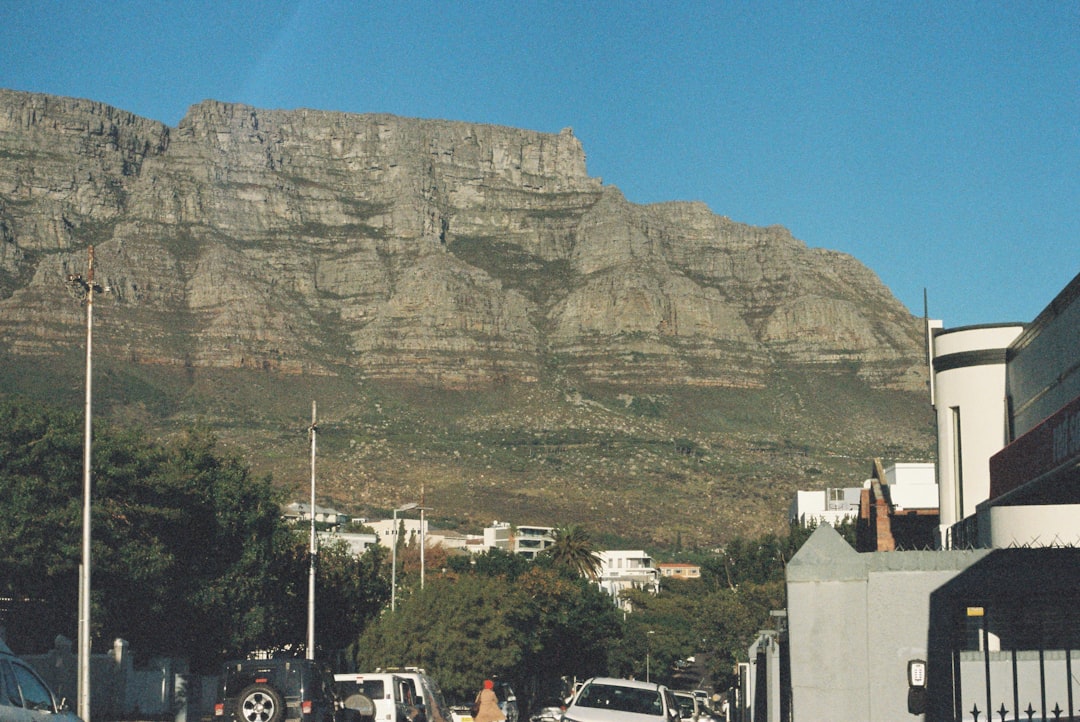
Reaching the observatory means crossing the neighborhood of Observatory, which is named after this very structure and still retains a bohemian atmosphere today, with independent cafes and colorful Victorian houses. The complex is located on a low hill, surrounded by well-kept gardens, and its position — away from the brightest lights of the city, although not completely shielded from urban light pollution — has allowed for centuries of exceptional quality observations.
A story spanning two centuries between telescopes and discoveries

The first director of the observatory was Fearon Fallows, a British astronomer who oversaw the construction of the original buildings and installed the first measuring instruments. After him, figures like Thomas Maclear — who worked here starting in 1833 — contributed to fundamental measurements, including the verification of the meridian arc that helped to more accurately determine the shape of the Earth. These names are still alive in the documents displayed inside, and walking among the historic buildings means physically retracing those seasons of discovery.
One of the most fascinating elements for the visitor is the opportunity to closely observe historical telescopes dating back to the 1820s, preserved in extraordinary condition. Some of these optical instruments, with their brass and dark wood mounts, seem to have come straight out of a Jules Verne novel: they are functioning objects, not mere museum artifacts, and during guided tours, the staff explains how they were used and what observations they enabled.
The night sessions: the southern sky within reach
The SAAO regularly organizes guided night observation sessions, open to the public, which are the main reason many tourists choose to visit the observatory. During these evenings, astronomers and guides lead visitors through the constellations of the southern hemisphere — from the Southern Cross to the Magellanic Clouds, the satellite galaxies of the Milky Way visible to the naked eye from these latitudes — and allow them to observe planets, star clusters, and nebulae through the available telescopes.

The sessions typically take place on evenings when weather conditions permit, and the average duration is about two hours. It is strongly recommended to book in advance, especially during the southern summer months (from November to February), when demand is high and spots fill up quickly. The ticket price for the night sessions is approximately 100-150 South African rand per person, although rates may vary: it is always advisable to check the official website before visiting.
How to visit and what to expect during the day

Even during daylight hours, the SAAO offers tours of the historic site that include visits to the original 19th-century buildings, the internal museum with instruments and archival documents, and the gardens where sundials and other time-measuring instruments are located. Daytime visits generally last between one hour and one and a half hours and are also suitable for families with children, thanks to accessible explanations and the presence of interactive exhibits.
To reach the observatory, the most convenient option is a taxi or a ride-sharing service like Uber, which covers the distance from downtown Cape Town in about 15-20 minutes. The site is also accessible by public transport, getting off near the Observatory neighborhood. A practical tip: if planning a night session, it's good to bring a warm layer even in summer, as Cape Town nights can be cool, especially when the south wind blows.
Why it is worth visiting even for those who are not passionate about astronomy
The SAAO is not a place designed only for specialists. It is a place where British colonial history, nineteenth-century science, and the African landscape intertwine in unexpected ways. The Georgian-style buildings, the scent of eucalyptus in the gardens, the view of the surrounding mountains during the day, and the silence under the stars at night create an experience that is hard to replicate elsewhere in the city. Those who come to Cape Town and love to look up — literally — will find here one of the most memorable stops of their journey.


