



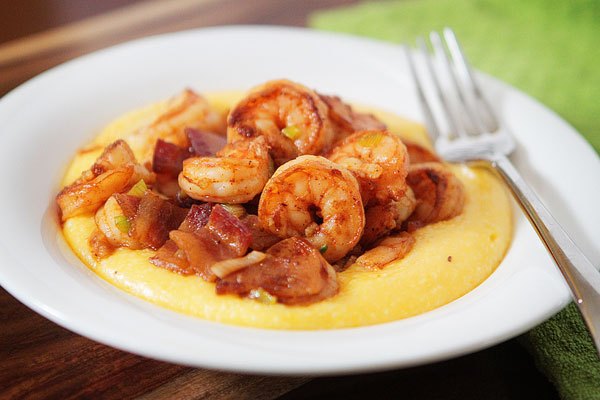
In the heart of the American South, South Carolina presents itself as a culinary confluence where history melds with modernity, and nowhere is this more evident than in the dish known as Shrimp and Grits. This iconic meal embodies the state’s rich past and vibrant present, a dish that traces its roots back to the indigenous peoples and the African slaves who once called these lands home.
Shrimp and Grits originated as a humble breakfast for fishermen in the coastal communities of the Lowcountry, a region stretching from South Carolina's coast into parts of Georgia. The Gullah people, descendants of enslaved West Africans, played a crucial role in the evolution of this dish. They brought with them a deep knowledge of rice cultivation and a culinary tradition that blended African, European, and Native American influences. Grits, made from ground corn, were a staple in their diet, and shrimp were plentiful in the coastal waters. Together, they formed a nutritious and satisfying meal that sustained families through the long, hot days.
The architecture of South Carolina offers a window into its storied past. From the classical lines of the Charleston Single House to the ornate ironwork that adorns many of its historic buildings, the state’s architectural landscape is as diverse as its culinary one. Notable structures include the Nathaniel Russell House in Charleston, a prime example of Federal architecture with its famed free-flying staircase. This blend of styles and influences mirrors the cultural melting pot that characterizes South Carolina, where the past is preserved in brick and mortar and celebrated through art.
Culturally, South Carolina is a vibrant tapestry of traditions, with Charleston often being the focal point of much of the state’s cultural activities. The annual Spoleto Festival USA, held in Charleston, is a two-week celebration of the performing arts, drawing artists and audiences from around the world. It’s a time when the city’s historic streets come alive with music, theater, and dance, reflecting the region's deep appreciation for the arts. The Gullah Festival, held in Beaufort, is another significant event, celebrating the unique heritage and culture of the Gullah people through storytelling, music, and traditional crafts.
When it comes to gastronomy, South Carolina offers more than just Shrimp and Grits. The state is known for its barbecue, particularly the mustard-based sauce that distinguishes it from other Southern styles. She-crab soup, a creamy, sherry-laden bisque, and Frogmore stew, a one-pot wonder of shrimp, corn, sausage, and potatoes, are other local specialties that reflect the bounty of the land and sea. To accompany these dishes, visitors might enjoy a glass of Sweet Tea, the unofficial drink of the South.
For those seeking lesser-known curiosities, the Angel Oak, a Southern live oak located on Johns Island near Charleston, is a testament to the enduring beauty of the natural world. Estimated to be over 400 years old, its sprawling branches create a canopy of shade and wonder. Similarly, the Old Slave Mart Museum in Charleston offers a sobering yet crucial glimpse into the state’s complicated history, housed in what was once a slave auction gallery.
Visitors to South Carolina should plan their trip between late spring and early fall, when the weather is warm and festivals abound. However, the mild winters also offer a pleasant escape for those looking to avoid the summer crowds. When exploring the state, it's essential to venture beyond the well-trodden paths of Charleston and discover smaller towns like Beaufort, with its antebellum architecture and charming waterfront.
For the discerning traveler, South Carolina offers a sensory feast where history, culture, and cuisine intertwine in a symphony of flavors and experiences. Whether savoring a plate of Shrimp and Grits or strolling beneath the moss-draped oaks, the Palmetto State invites visitors to immerse themselves in its rich tapestry, promising a journey as enriching as it is delicious.
